The massive suspension systems of semi-trucks, having the right tools isn’t just a convenience—it’s an absolute necessity. Professional mechanics and fleet managers understand that quality tools directly impact efficiency, safety, and the bottom line. Among these essential tools, the 1-7/8″ wrench for semi-truck suspension work stands out as a specialized instrument that many professionals can’t work without. This comprehensive guide will explore why this particular wrench size is crucial for heavy-duty vehicle maintenance, what features to look for when purchasing one, and how to maximize its utility in your workshop or garage.
Understanding Semi-Truck Suspension Systems
Before diving into the specifics of the 1-7/8″ wrench, it’s important to understand the complexity of semi-truck suspension systems. These systems are designed to support immense weights—often exceeding 80,000 pounds when fully loaded—while providing a smooth ride and maintaining vehicle stability. The suspension system comprises numerous components, including leaf springs, air springs, shock absorbers, control arms, and various fasteners that require periodic inspection and maintenance.
According to the American Trucking Association, the average semi-truck travels approximately 45,000 miles per year, with some logging over 100,000 miles annually. This heavy usage puts significant stress on suspension components, making regular maintenance crucial for safety and longevity. When maintenance is required, mechanics often encounter large nuts and bolts that standard wrenches simply can’t handle, which is where specialized tools like the 1-7/8″ wrench become invaluable.
The Importance of the 1-7/8″ Wrench for Semi-Truck Work
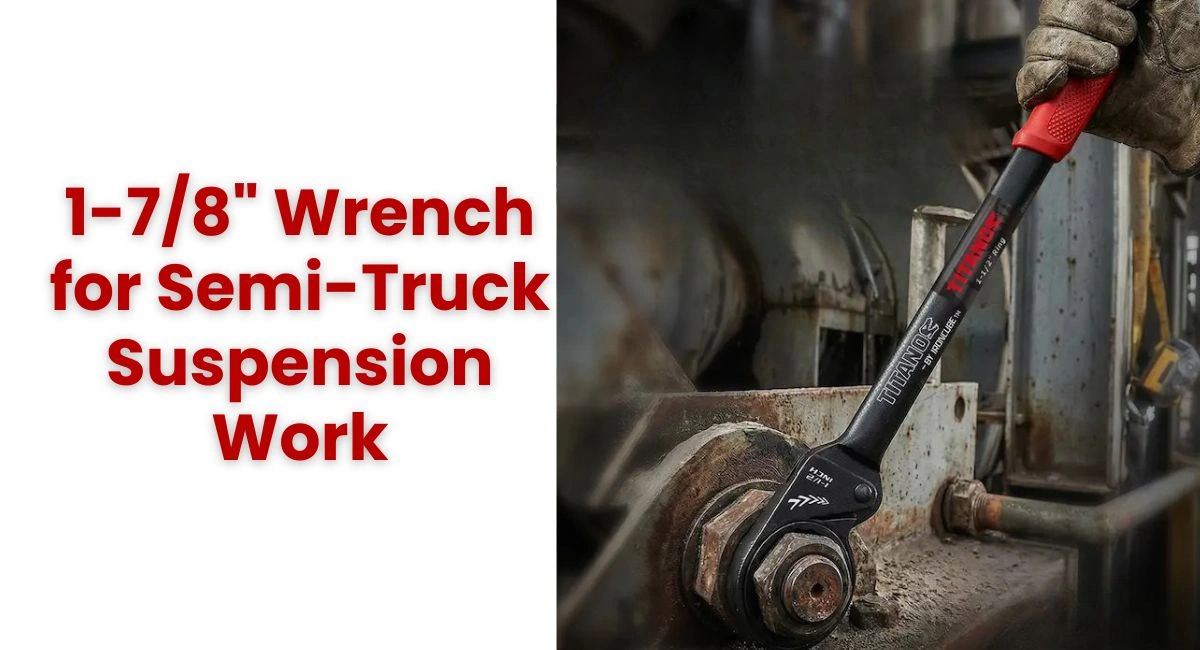
The 1-7/8″ wrench for semi-truck applications has become increasingly essential due to specific engineering choices in heavy-duty vehicle design. Many semi-truck manufacturers use 1-7/8″ (approximately 47.6mm) fasteners in critical suspension components, particularly in U-bolts that secure leaf springs to the axle. These larger fasteners provide the strength needed to handle the immense forces exerted during operation.
What makes this wrench size particularly valuable is its relative scarcity in standard tool sets. While most mechanics have comprehensive wrench collections, few include the larger sizes required for heavy-duty truck work. This creates a specialized niche where having a 1-7/8″ wrench can dramatically reduce downtime during suspension repairs. Instead of waiting for a special order or trying to improvise with improper tools, mechanics equipped with this specific size can complete repairs efficiently and correctly.
Features to Look for in a Quality 1-7/8″ Wrench
When selecting a 1-7/8″ wrench for semi-truck work, several features distinguish professional-grade tools from inferior alternatives. The material composition is perhaps the most critical factor. High-quality wrenches are typically forged from chrome vanadium steel or similar alloys that offer exceptional strength and resistance to deformation under torque.
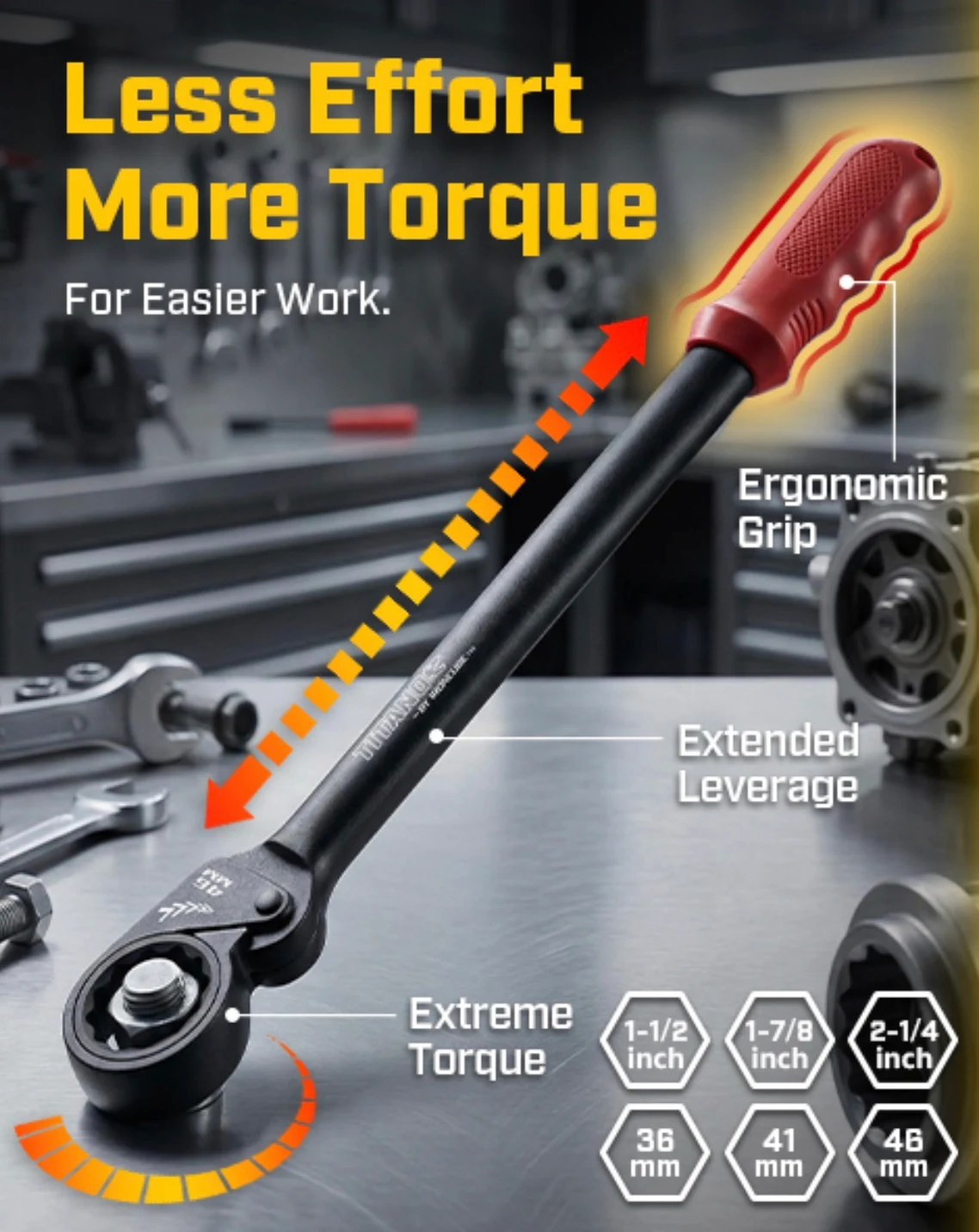
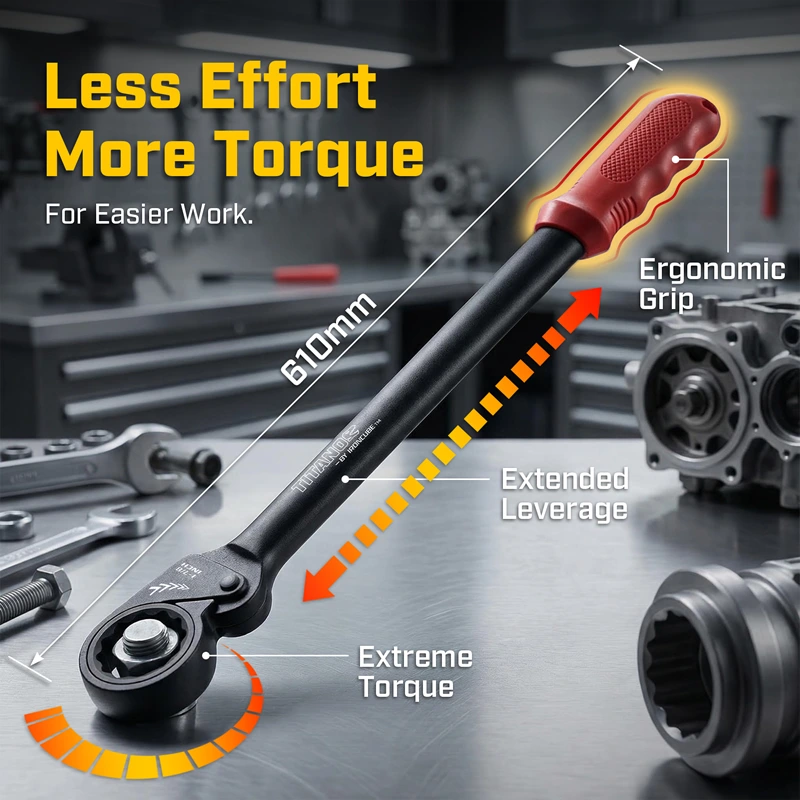
The design of the wrench head also significantly impacts functionality. A ratcheting mechanism, like those found in the friction wrench 1-7/8 inch model, allows for faster work in tight spaces where a full swing isn’t possible. This feature alone can reduce repair time by up to 40% compared to standard open-end or box-end wrenches.
Ergonomics play an increasingly important role in tool design, especially for professionals who use these tools for extended periods. A comfortable grip with adequate knuckle clearance can prevent fatigue and reduce the risk of repetitive strain injuries. The best wrenches feature I-beam construction that reduces weight without sacrificing strength, making them easier to handle during prolonged use.
For maximum versatility, consider a flex-head ratchet wrench which allows for better access to obstructed fasteners. This design feature can be particularly valuable when working on suspension components where space is at a premium.
How to Use a 1-7/8″ Wrench for Semi-Truck Suspension Work
Proper technique is essential when using a 1-7/8″ wrench for semi-truck suspension maintenance. The large size of these fasteners means they require significant torque, and improper technique can lead to injury or damage to the components.
When working with U-bolts on leaf spring assemblies, begin by ensuring the wrench is properly seated on the nut. Any slippage can round off the corners of the nut, creating a much more difficult problem to solve. For particularly stubborn fasteners, applying a penetrating oil and allowing it to work for several hours can significantly reduce the required force.
When using a ratcheting wrench, always ensure the direction selector is properly engaged before applying force. This prevents accidental loosening when you intend to tighten, or vice versa. For the greatest mechanical advantage, position the wrench as close to perpendicular to the fastener as possible. This maximizes the torque applied for a given amount of force.
Safety should always be the top priority. Never use a cheater bar or pipe to extend the handle of your wrench, as this can exceed the tool’s design limits and cause catastrophic failure. If a fastener requires more torque than you can comfortably apply, it’s better to use a properly rated torque wrench or breaker bar designed for such applications.
Comparing Different 1-7/8″ Wrench Options
The market for 1-7/8″ wrenches for semi-truck work includes several options, each with distinct advantages. To help you make an informed decision, we’ve compiled a comparison of the most common types:
When considering price, quality 1-7/8″ wrenches typically range from $30 for basic models to over $150 for professional-grade ratcheting options. While the initial investment may seem substantial, the durability and time savings provided by quality tools typically offer an excellent return on investment for professional mechanics.
For those looking to expand their tool collection beyond just the 1-7/8″ size, IronCube Works offers a comprehensive selection of large wrenches suitable for heavy-duty applications. Their friction wrench set includes multiple sizes that cover the most common fasteners found on commercial vehicles.
Expert Tips for Semi-Truck Suspension Maintenance
Beyond having the right tools, successful semi-truck suspension maintenance requires knowledge and technique. Industry experts recommend establishing a regular inspection schedule based on mileage rather than time, as usage patterns vary dramatically between vehicles.
During inspections, pay particular attention to signs of fatigue in U-bolts, as these components are under constant stress. Any signs of stretching, cracking, or deformation warrant immediate replacement. When replacing U-bolts, always use new hardware and torque to the manufacturer’s specifications using a properly calibrated torque wrench.
For air suspension systems, regularly check for leaks using a soap solution applied to airbags and fittings. Even small leaks can lead to compressor failure and expensive repairs if left unaddressed. The heavy-duty flex-head ratchet wrench set can be particularly useful when accessing the various fittings in these systems.
When working on any suspension components, safety should be paramount. Never work under a vehicle supported only by a jack—always use properly rated jack stands. For suspension work that requires removing wheels or major components, consider using a professional lift if available. The National Institute for Occupational Safety and Health provides detailed guidelines for vehicle maintenance safety that all mechanics should follow.
Maintenance and Care for Your 1-7/8″ Wrench
Like any precision tool, your 1-7/8″ wrench requires proper maintenance to ensure optimal performance and longevity. After each use, wipe the tool clean to remove dirt, grease, and moisture. For ratcheting mechanisms, periodic cleaning with a degreaser followed by light lubrication with machine oil will keep the mechanism operating smoothly.
Storage is another important consideration. While wrenches are made of durable materials, they can still be affected by environmental conditions. Store your wrenches in a dry environment to prevent rust. For professional shops, consider investing in a tool chest with moisture control features. For individual mechanics, a simple toolbox with silica gel packets can provide adequate protection.
Periodically inspect your wrench for signs of wear or damage. Any cracks, bends, or deformation of the wrench opening indicate that the tool should be replaced. Using a damaged wrench not only risks damage to the fasteners you’re working on but also poses a safety risk to the user.
The Evolution of Large Wrenches for Heavy-Duty Applications
The history of wrenches dates back to the 15th century, but the specialized large wrenches we see today for semi-truck work are a much more recent development. As commercial vehicles have grown in size and capacity, the fasteners used in their construction have similarly increased in dimension, necessitating the development of larger, stronger tools.
The introduction of ratcheting mechanisms to large wrenches represents a significant advancement in tool technology. According to historical records from the Wikipedia page on wrenches, the ratcheting wrench was patented in the early 20th century, but it took several decades for this technology to be adapted for the larger sizes required in heavy-duty applications.
Modern manufacturing techniques have further improved these tools. Computer-aided design allows for precise engineering of wrench geometries that maximize strength while minimizing weight. Advanced heat treatment processes create tools that can withstand tremendous torque without deformation or failure.
Future Trends in Semi-Truck Suspension Tools
The field of semi-truck maintenance continues to evolve, with new technologies emerging regularly. One trend gaining momentum is the integration of smart technology into hand tools. Some manufacturers are experimenting with wrenches that can measure applied torque and communicate this data to mobile devices, helping mechanics ensure fasteners are tightened to precise specifications.
Another emerging trend is the development of materials with even greater strength-to-weight ratios. Composite materials and advanced alloys may eventually produce wrenches that are significantly lighter than current steel options while maintaining or exceeding their strength characteristics.
Electric and hybrid semi-trucks are also changing the landscape of vehicle maintenance. While these vehicles still require similar suspension systems, the integration of electronic components creates new challenges and opportunities for tool designers. We may see specialized wrenches with integrated diagnostic capabilities that can assess suspension health while performing routine maintenance.
Building a Comprehensive Semi-Truck Tool Collection
While the 1-7/8″ wrench is certainly important, it’s just one component of a comprehensive semi-truck tool collection. Professional mechanics typically need a range of large wrenches to handle the various fasteners found on commercial vehicles.
A well-rounded collection should include wrenches ranging from 1-1/2″ to 2-1/4″ to cover the most common sizes. The jumbo ratcheting wrench set for agriculture offers a good starting point, as agricultural and commercial vehicles often use similar fastener sizes.
For those looking to purchase multiple wrenches, buying a set can be more economical than individual purchases. The friction wrench set provides excellent value, including several of the most commonly needed sizes in one convenient package.
When building your tool collection, consider the types of vehicles you work on most frequently. Different manufacturers may use slightly different fastener sizes, so researching the specific requirements of the vehicles in your fleet can help you prioritize which wrench sizes to acquire first.
Training and Certification for Semi-Truck Mechanics
Having the right tools is only part of the equation for successful semi-truck maintenance. Proper training and certification ensure that mechanics have the knowledge to use these tools effectively and safely. The National Institute for Automotive Service Excellence (ASE) offers specialized certifications for heavy-duty truck mechanics, including specific tests for suspension systems.
For those new to the field, formal training programs at technical colleges or vocational schools can provide a solid foundation. These programs typically combine classroom instruction with hands-on experience, allowing students to develop both theoretical knowledge and practical skills.
Even experienced mechanics benefit from ongoing education as vehicle technologies evolve. Manufacturers often offer specialized training on their specific systems, and industry organizations provide continuing education opportunities to keep mechanics up-to-date with the latest techniques and technologies.
Summary
The 1-7/8″ wrench for semi-truck suspension work represents a specialized tool that professional mechanics and fleet managers should consider essential for proper vehicle maintenance. As we’ve explored throughout this guide, these wrenches serve specific purposes in the maintenance of heavy-duty vehicles, particularly when working with U-bolts and other large fasteners in suspension systems.
When selecting a 1-7/8″ wrench, consider factors such as material quality, design features like ratcheting mechanisms or flex heads, and ergonomic considerations. While the initial investment may be higher than standard wrenches, the time savings and professional results provided by quality tools typically offer excellent value over the long term.
Proper technique and safety practices are just as important as having the right tools. Always follow manufacturer specifications for torque values, use appropriate safety equipment, and never compromise on safety when working under heavy vehicles. Regular maintenance of your tools will ensure they’re ready when needed and extend their service life.
For those looking to expand their tool collection, IronCube Works offers a comprehensive selection of wrenches for heavy-duty applications. Whether you need a single 1-7/8″ wrench or a complete set covering various sizes, investing in quality tools will pay dividends in efficiency, safety, and professional results.
FAQs
What makes a 1-7/8″ wrench for semi-truck work different from standard wrenches?
The primary difference lies in the size and specialized design features. A 1-7/8″ wrench for semi-truck work is specifically designed to handle the larger fasteners found on heavy-duty vehicles. These wrenches typically feature reinforced construction to withstand the higher torque requirements of semi-truck components. Additionally, many models include ratcheting mechanisms or flex-head designs that facilitate work in the confined spaces often encountered in suspension systems.
Can I use a 1-7/8″ wrench for other applications besides semi-truck suspension work?
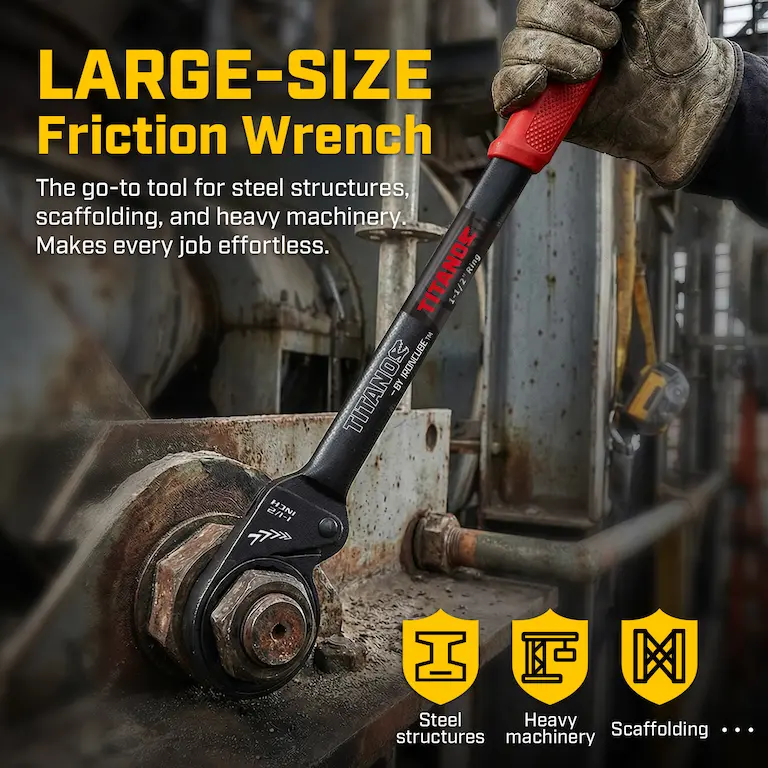
While specifically designed for semi-truck applications, a 1-7/8″ wrench can be useful in various other contexts. Agricultural equipment, construction machinery, and industrial equipment often use similar large fasteners. However, it’s important to ensure the wrench is appropriate for the specific application, as some industrial settings may require specialized coatings or materials for corrosion resistance or spark prevention.
How do I know if I need a ratcheting or standard 1-7/8″ wrench?
The choice between ratcheting and standard designs depends on your specific needs. If you frequently work in tight spaces where a full swing isn’t possible, a ratcheting wrench like the friction wrench 1-7/8 inch can significantly speed up your work. However, if you primarily work in open areas or need maximum strength for extremely tight fasteners, a standard box-end wrench might be preferable. Many professionals maintain both types to cover all situations.
What’s the proper way to torque large nuts on semi-truck suspension components?
Proper torque application is critical for semi-truck suspension safety. Always use a properly calibrated torque wrench rated for the required torque values. Tighten fasteners in a star pattern when multiple bolts are present, such as on U-bolts. Follow the manufacturer’s specifications for torque values, which typically range from 200-450 ft-lbs for large suspension fasteners. It’s best practice to tighten in stages, gradually increasing to the final torque specification rather than attempting to reach full torque in a single operation.
How often should I replace my 1-7/8″ wrench?
With proper care and maintenance, a quality 1-7/8″ wrench can last many years, even with professional use. However, you should replace your wrench if you notice any signs of wear, damage, or deformation. The wrench opening should maintain its precise dimensions, and any ratcheting mechanism should operate smoothly without skipping or slipping. Professional mechanics who use their tools daily might consider replacement every 5-7 years as a preventive measure, while occasional users can expect much longer service life.
Where can I purchase a quality 1-7/8″ wrench for semi-truck work?
Quality 1-7/8″ wrenches can be purchased from various sources. IronCube Works offers a selection of professional-grade wrenches specifically designed for heavy-duty applications. For those who prefer to see tools in person, professional tool trucks and industrial supply stores often carry these specialized items. Online retailers like Amazon also offer extensive selections with the convenience of home delivery.