
Modern automotive repair is no longer just about strength. It is about precision, speed, and reliability. From tight engine bays to suspension assemblies, mechanics face bolts that demand the right tool at the right angle. That is where a Metric Ratcheting Wrench Set becomes a workshop essential rather than a luxury.
Among professional-grade options, the 12PCS Metric Ratcheting Wrench Set for Automotive Mechanics stands out as a balanced solution for daily repair work. It combines durability, smooth operation, and time-saving efficiency in a format that both seasoned technicians and serious DIYers appreciate.
This in-depth guide explores how a 12-piece metric ratcheting wrench set improves workflow, what makes it ideal for automotive mechanics, and why IronCube Works has earned attention in professional tool circles. Along the way, you will see real comparisons, usage insights, and expert-level explanations written for practical users—not sales hype.
Why a Metric Ratcheting Wrench Set Is Essential for Automotive Mechanics
Automotive fasteners follow metric standards almost universally today. European, Japanese, and even most American vehicles rely on metric sizing for engines, drivetrains, braking systems, and suspension components. Using the wrong wrench does more than slow you down. It increases the risk of rounding bolts and damaging components.
A Metric Ratcheting Wrench Set solves a common frustration in automotive repair. Traditional open-end wrenches require constant repositioning. Socket wrenches often cannot fit into narrow spaces. Ratcheting wrenches bridge that gap by allowing continuous turning without removing the tool from the fastener.
According to tool usage surveys in professional garages, mechanics save up to 30% of task time when switching from standard combination wrenches to ratcheting versions for repetitive fastener work. That time savings translates directly into productivity and profitability.
If you want to understand the mechanical history behind these tools, the Wikipedia overview of the wrench explains how ratcheting mechanisms evolved to meet modern industrial demands.
Anatomy of a Professional-Grade Metric Ratcheting Wrench Set
Construction Materials That Withstand Automotive Demands
Automotive repair environments punish tools relentlessly. Exposure to engine fluids, brake cleaner, transmission fluid, and other chemicals tests corrosion resistance daily. Physical demands include high torque loads, accidental drops onto concrete floors, and storage conditions ranging from freezing winters to sweltering summer garages. Materials selection determines whether tools survive these challenges.
Chrome vanadium steel has established itself as the professional standard for quality hand tools. This alloy delivers the hardness necessary to resist deformation under load while maintaining enough toughness to prevent brittle fractures. The vanadium content refines grain structure during heat treatment, producing tools with consistent mechanical properties throughout their working surfaces.
Heat treatment transforms raw steel into hardened tools. Professional manufacturers control quenching temperatures and timing precisely to achieve optimal hardness gradients. The working surfaces become extremely hard to resist wear, while the core remains slightly softer to absorb shock without cracking. Cutting corners on heat treatment produces tools that either deform under load or shatter unexpectedly.
The IRONCUBE Tough Series metric ratcheting wrench set exemplifies proper material selection and heat treatment. Every wrench undergoes rigorous testing to verify mechanical properties before leaving the factory, ensuring consistent performance across the entire set.
Ratcheting Mechanism Engineering
The heart of any ratcheting wrench lies in its internal mechanism. A toothed gear engages with a spring-loaded pawl that allows rotation in one direction while locking to transfer torque in the other. The number of teeth determines the minimum arc swing needed to advance the mechanism, directly affecting performance in confined spaces.
Entry-level tools typically feature 32 to 48 teeth, requiring 11.25 to 7.5 degrees of swing arc. Professional-grade sets push into 72-tooth territory with 5-degree arcs, while premium options exceed 90 teeth. For automotive work where obstructions constantly limit wrench movement, higher tooth counts provide meaningful advantages worth the price premium.
Beyond tooth count, mechanism durability separates professional tools from disposable alternatives. The teeth and pawl experience tremendous stress with each engagement, and inferior materials or loose tolerances lead to premature wear or catastrophic stripping. Quality mechanisms maintain positive engagement through tens of thousands of cycles without degradation in feel or performance.
Comprehensive Size Coverage for Automotive Applications
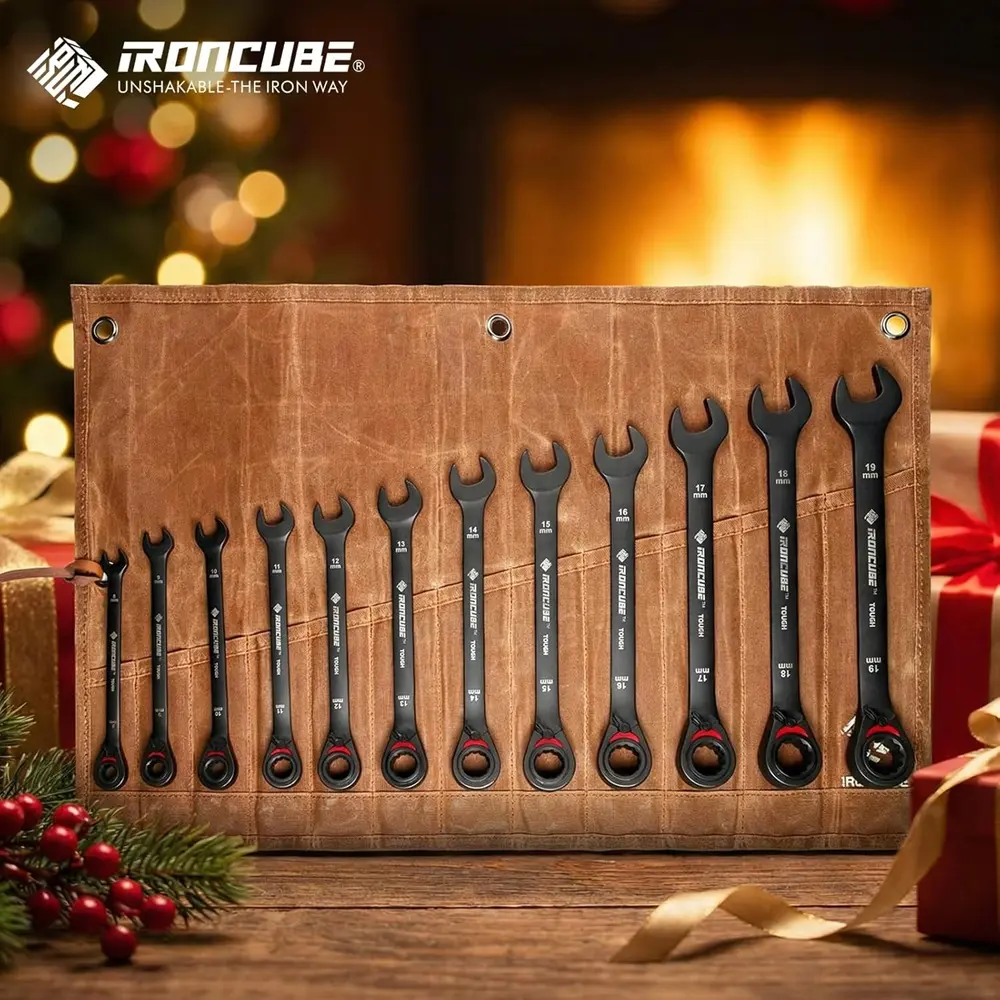
The 12-piece configuration covers 8mm through 19mm, addressing approximately 90% of metric fasteners encountered in typical automotive repair work. This range handles everything from small trim screws and electrical connectors through suspension bolts and drivetrain components. Few automotive tasks fall outside this coverage without entering specialty territory requiring dedicated tools anyway.
Examining specific automotive systems reveals why this size range proves so comprehensive. Engine accessories typically use 10mm through 15mm fasteners extensively. Brake systems favor 12mm, 14mm, and 17mm hardware. Suspension components range from 14mm through 19mm depending on application. Interior trim and electrical connections often require 8mm and 10mm wrenches. A complete metric ratcheting wrench set in this range handles all these applications seamlessly.
Real-World Automotive Applications for Your Metric Ratcheting Wrench Set
Engine Bay Operations
Engine compartments showcase ratcheting wrenches at their finest. Accessing bolts around intake manifolds, behind alternators, and underneath air conditioning compressors often provides mere inches of clearance for tool movement. Traditional wrenches might not even fit in these spaces, let alone generate enough arc to turn fasteners. Ratcheting mechanisms solve these access problems elegantly.
Consider a typical alternator replacement. Multiple mounting bolts sit in recessed locations surrounded by accessory brackets, hoses, and wiring harnesses. Removing and installing these fasteners with conventional wrenches requires constant repositioning that extends job time dramatically. A proper metric ratcheting wrench set allows continuous progress even when swing room measures less than an inch.
The detailed guide on professional-grade metric ratcheting wrench sets explores specific engine bay applications in greater depth, helping mechanics understand exactly how these tools improve workflow efficiency.
Brake System Service
Brake work demands precision and efficiency. Caliper mounting bolts, bracket fasteners, and bleeder screws all require metric wrenches in sizes the 12-piece range covers comprehensively. Time pressure intensifies during brake jobs since vehicles cannot safely move until work completes, making tool efficiency particularly valuable.
Rear brake access often presents the tightest clearances, especially on vehicles with independent rear suspension designs. Working around control arms, shock absorbers, and parking brake cables leaves minimal room for conventional wrench operation. Ratcheting wrenches navigate these confined spaces while maintaining positive fastener engagement throughout the operation.
Suspension and Steering Components
Suspension work often involves the largest fasteners mechanics encounter in regular service. Strut mount nuts, control arm bolts, and stabilizer link hardware frequently require 17mm through 19mm wrenches. These components typically carry high torque specifications, testing both tool strength and user endurance during removal and installation.
Working underneath vehicles adds physical challenges to technical requirements. Awkward body positions make every efficiency gain more valuable. Ratcheting mechanisms reduce the number of hand movements needed to complete each fastener, translating directly into less fatigue over the course of a full workday.
Metric Ratcheting Wrench Set Options for Automotive Use
The market offers metric ratcheting wrenches at every price point, from bargain-bin disposables to premium professional tools. Understanding what each tier delivers helps match purchases to actual needs and budgets. Automotive professionals typically find mid-range to professional-grade tools provide the best value over time.
Automotive-Focused Feature Comparison
| Feature | Budget | Mid-Range | Professional |
| Torque Capacity | Light duty | Medium duty | Heavy duty |
| Chemical Resistance | Poor | Good | Excellent |
| Mechanism Life | 1,000-5,000 cycles | 10,000-25,000 cycles | 50,000+ cycles |
| Tooth Count | 32-48 | 72 | 72-90 |
| Warranty | 30-90 days | 1-5 years | Lifetime |
For automotive mechanics handling multiple vehicles daily, professional-grade tools pay for themselves quickly through reduced replacement costs and improved productivity. The IRONCUBE 12-piece metric fixed ratcheting wrench set delivers professional performance at pricing that doesn’t require shop owner approval.
Fixed Head vs Flex Head: Which Metric Ratcheting Wrench Set Style Suits Automotive Work
Both head styles earn their place in automotive service. Fixed head designs maximize rigidity and torque transfer, making them ideal for high-torque applications like suspension bolts and drivetrain components. The solid connection between head and handle ensures every ounce of applied force reaches the fastener without loss through flex.
Flex head models add articulation that proves invaluable in confined spaces. Engine bay work, tight underbody access, and situations requiring non-perpendicular approaches all favor flexible designs. The 12-piece ratcheting wrench set featuring smooth 180-degree flex heads demonstrates how quality engineering delivers flexibility without sacrificing durability.
Experienced mechanics typically maintain both styles. A primary fixed-head metric ratcheting wrench set handles most work while flex head versions address specialized access challenges. This approach maximizes capability without compromising on either strength or versatility.
Why Automotive Mechanics Trust IronCube Works Tools
IronCube Works has built a reputation around practical performance rather than flashy branding. Their tools are designed with feedback from real users who work under vehicles, not showroom floors.
The brand’s commitment to professional standards is visible across its catalog, from entry-level wrench kits to advanced ratcheting solutions. Their Professional Grade 12PCS Metric Ratcheting Wrench Set reflects this philosophy by combining strength, precision, and affordability.
For mechanics who prefer purchasing through established marketplaces, IronCube Works also maintains an official presence on Amazon. Their Amazon brand store showcases verified product listings and customer feedback from global users.
Popular options like the IronCube Combination Ratcheting Wrench Set receive consistent praise for smooth ratcheting action and durable finishes, especially among motorcycle and automotive repair professionals.
Where Automotive Professionals Purchase Quality Metric Ratcheting Wrench Sets
Source selection affects both initial quality and long-term support. The IRONCUBE Works website provides direct manufacturer access with complete product information, detailed specifications, and responsive customer support. Direct purchasing eliminates distributor markup while ensuring authentic products.
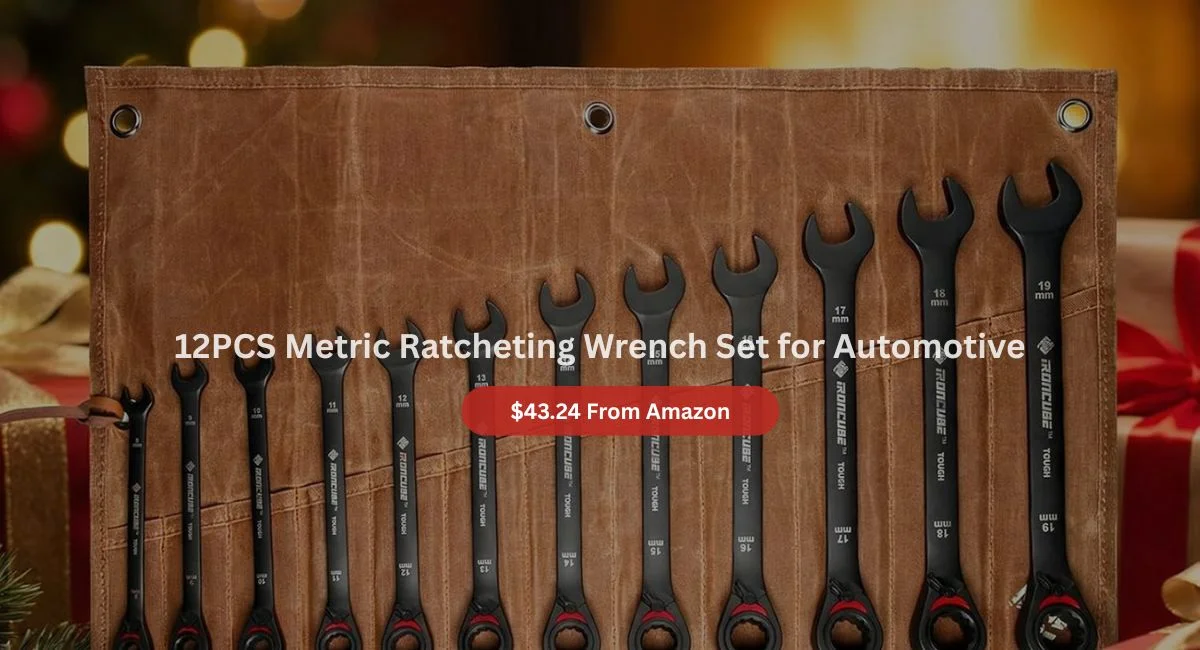
The wrench category showcases the complete lineup of available options, making comparison shopping straightforward. Detailed product pages include specifications, included accessories, and customer reviews that inform purchasing decisions.
For Amazon convenience, the IRONCUBE Amazon storefront offers familiar checkout processes with Prime shipping options. The IRONCUBE ratcheting combination wrench set on Amazon features verified purchase reviews from working mechanics who share real-world performance insights.
The motorcycle maintenance combination wrench set demonstrates how specialized configurations address specific automotive applications. For personalized recommendations, the IRONCUBE contact page connects directly with product specialists who understand automotive tool requirements.
Final Summary
A Metric Ratcheting Wrench Set is no longer optional for automotive mechanics. It is a productivity tool that saves time, reduces fatigue, and improves precision across countless repair tasks.
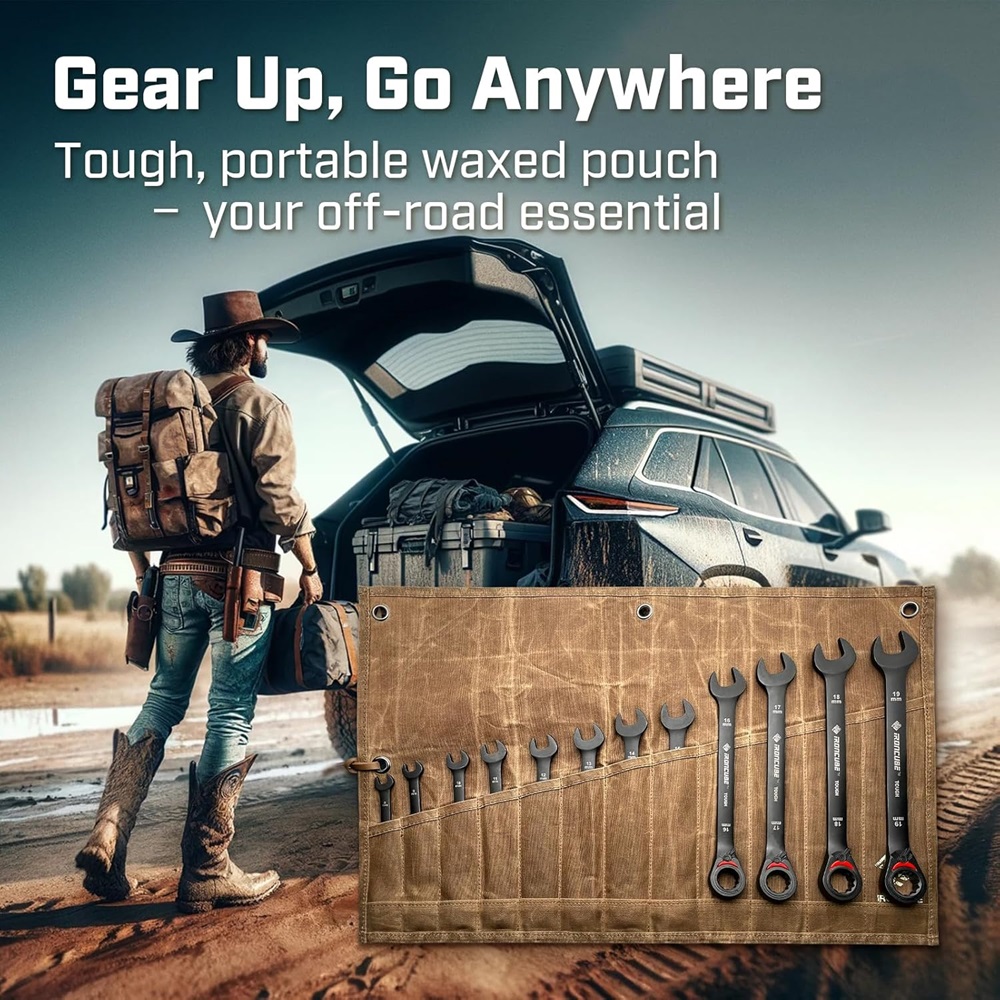
The 12PCS Metric Ratcheting Wrench Set for Automotive Mechanics from IronCube Works delivers professional-grade performance without unnecessary complexity. With durable materials, smooth ratcheting action, and practical storage, it meets the real demands of modern vehicle repair.
Whether you work in a high-volume shop or maintain vehicles on your own terms, investing in a reliable Metric Ratcheting Wrench Set is a decision that pays off with every turn of the wrench.