Automotive suspension fasteners play a crucial role in securing suspension components. Using the right wrench for these fasteners ensures safety, precision, and longevity in vehicle maintenance. This comprehensive guide covers everything from understanding different automotive suspension fasteners to selecting the correct wrench for each task, helping both hobbyists and professionals optimize their workflow with reliable tools, such as those from Ironcube Works.
Understanding Automotive Suspension Fasteners
Automotive suspension systems rely on various fasteners to maintain alignment and effectively absorb road impacts. These include bolts, nuts, studs, and screws designed to withstand vibrations and heavy loads.
Suspension fasteners vary in size, thread type, and material composition. Common types include:
Hex bolts and nuts: Standard fasteners used in struts and control arms.
Flanged nuts: Provide a large bearing surface to distribute pressure.
Castle nuts and cotter pins: Secure critical components like ball joints.
Torque-to-yield bolts: Subjected to precise torque specifications for safety.
Correct fastener identification and handling are vital to avoid premature wear or failure that could compromise vehicle safety.
Types of Wrenches for Automotive Suspension Fasteners
Multiple wrench styles suit suspension fasteners depending on fastener size, access difficulty, and torque required.
Open-End Wrenches
Ideal for quick access and lighter fasteners. Their U-shaped opening fits flats on hex bolts but may slip under high torque.
Box-End Wrenches
Offer full contact with fastener heads on all sides, reducing wear. They excel for stubborn suspension bolts but require more space.
Combination Wrenches
Features one open end and one box end, providing versatility. They are among the most popular tools for suspension work.
Ratcheting Wrenches
Allow continuous turning without repositioning, speeding up suspension tasks. Ironcube’s flexible head ratcheting wrench set is a prime example for tight spaces and complex angles.
Adjustable Wrenches
Offer size flexibility but less precise grip, best reserved as backup tools.
Torque Wrenches
Essential for final tightening to manufacturer torque specs, ensuring safety-critical suspension fasteners are neither over- nor under-tightened.
Matching Wrench Sizes to Suspension Fasteners
Suspension bolts come in metric and SAE sizes, making it crucial to have the correct wrench size to prevent rounding fastener heads.
| Fastener Size (mm) | Recommended Wrench Size (mm) | Common Suspension Part |
|---|---|---|
| 10 | 12 | Sway bar links |
| 12 | 14 | Control arm bolts |
| 14 | 17 | Shock absorbers |
| 17 | 19 | Strut mounting bolts |
| 19 | 22 | Ball joints |
For SAE fasteners (inches), corresponding wrench sizes match the hex head dimensions (e.g., a 1/2″ bolt requires a 3/4″ wrench).
Essential Wrenches for Working with Automotive Suspension Fasteners
Now that we’ve covered the fasteners, let’s talk tools. The right wrench isn’t just about turning a nut—it’s about doing so efficiently, safely, and without damaging components. For automotive suspension fasteners, which often lurk in cramped engine bays or under tight fenders, standard open-end wrenches fall short. Enter specialized wrenches that provide leverage, speed, and precision.
Open-End and Box-End Wrenches: The Basics Done Right
Start with the fundamentals: open-end wrenches excel at initial loosening of seized bolts on control arms, with their slim profile slipping into narrow gaps. Sizes like 17 mm and 19 mm are workhorses for most metric suspensions. Box-end wrenches, fully enclosing the fastener, offer superior grip for high-torque tasks like strut nuts, reducing the risk of rounding edges. A set covering 8 mm to 24 mm covers 90% of jobs, but for pros, chrome-vanadium construction ensures they withstand repeated impacts.
Ratcheting Wrenches: Speed Meets Precision
For efficiency in repetitive tasks, ratcheting wrenches are game-changers. Their fine-tooth mechanisms allow continuous turning without repositioning, ideal for the dozens of bolts in a full suspension swap. At IronCube Works, our ratcheting wrenches feature 72-tooth gears for smooth 5-degree swings, perfect for awkward angles on tie rod ends. Research shows ratcheting tools cut installation time by up to 40% on suspension jobs.
Flexible Head Ratcheting Wrenches: Tackling the Tight Spots
When space is at a premium—like accessing rear lower control arm bolts—flexible head ratcheting wrenches bend up to 180 degrees for unparalleled access. The IronCube 12-piece Flexible Head Ratcheting Wrench Set with Canvas Storage Bag includes SAE and metric sizes in a portable pouch, making it a must-have for mobile mechanics. Users rave about its mirror-polished chrome finish, which resists corrosion during undercarriage work.
Explore our full range of wrenches to find the perfect fit for your toolkit.
Step-by-Step Guide to Working with Suspension Fasteners
Step 1: Safety First
Before starting any work, ensure your vehicle is securely lifted using a jack stand or lift. Wear safety goggles and gloves to protect yourself from debris and sharp edges.
Step 2: Identify the Fasteners
Refer to your vehicle’s repair manual to locate and identify the suspension fasteners. This will help you determine the correct wrench size and torque specifications.
Step 3: Loosen the Fasteners
Use a ratcheting wrench or socket set to loosen the fasteners. For rusted or stubborn bolts, apply a penetrating oil like WD-40 and let it sit for a few minutes before attempting to loosen.
Step 4: Replace or Tighten
If replacing the fastener, ensure the new one matches the original in size, grade, and thread pitch. Use a torque wrench to tighten the fastener to the manufacturer’s specifications.
Step 5: Test the Suspension
After completing the repair, lower the vehicle and test the suspension by bouncing the car gently. Listen for any unusual noises and ensure the suspension feels stable.
When Handling Automotive Suspension Fasteners
Even seasoned mechanics slip up—here’s how to sidestep pitfalls that turn a simple job into a nightmare.
Over-Torquing or Under-Torquing: Applying too much force strips aluminum threads on control arms; too little lets vibrations loosen everything. Solution: Use a calibrated torque wrench every time, following OEM specs to the letter. Inconsistent torquing across bolts creates uneven stress, leading to premature bushing failure.
Ignoring Vehicle Weight Position: Tightening fasteners with the vehicle jacked up ignores suspension geometry. Always final-torque at ride height to mimic real-world loads.
Mixing Old and New Parts: Reusing corroded washers or nuts invites galling. Inspect and replace all kits from IronCube Works, including matched sets.
Skipping Alignment: After any fastener work, misalignment chews tires at 2-3x the rate. Budget for a post-install alignment.
Forgetting Lubrication: Dry threads seize over time. Apply anti-seize sparingly to bolts, but avoid it on lock nuts.
Studies show these errors cause 70% of DIY suspension re-dos.
Why Choose IronCube Tools?
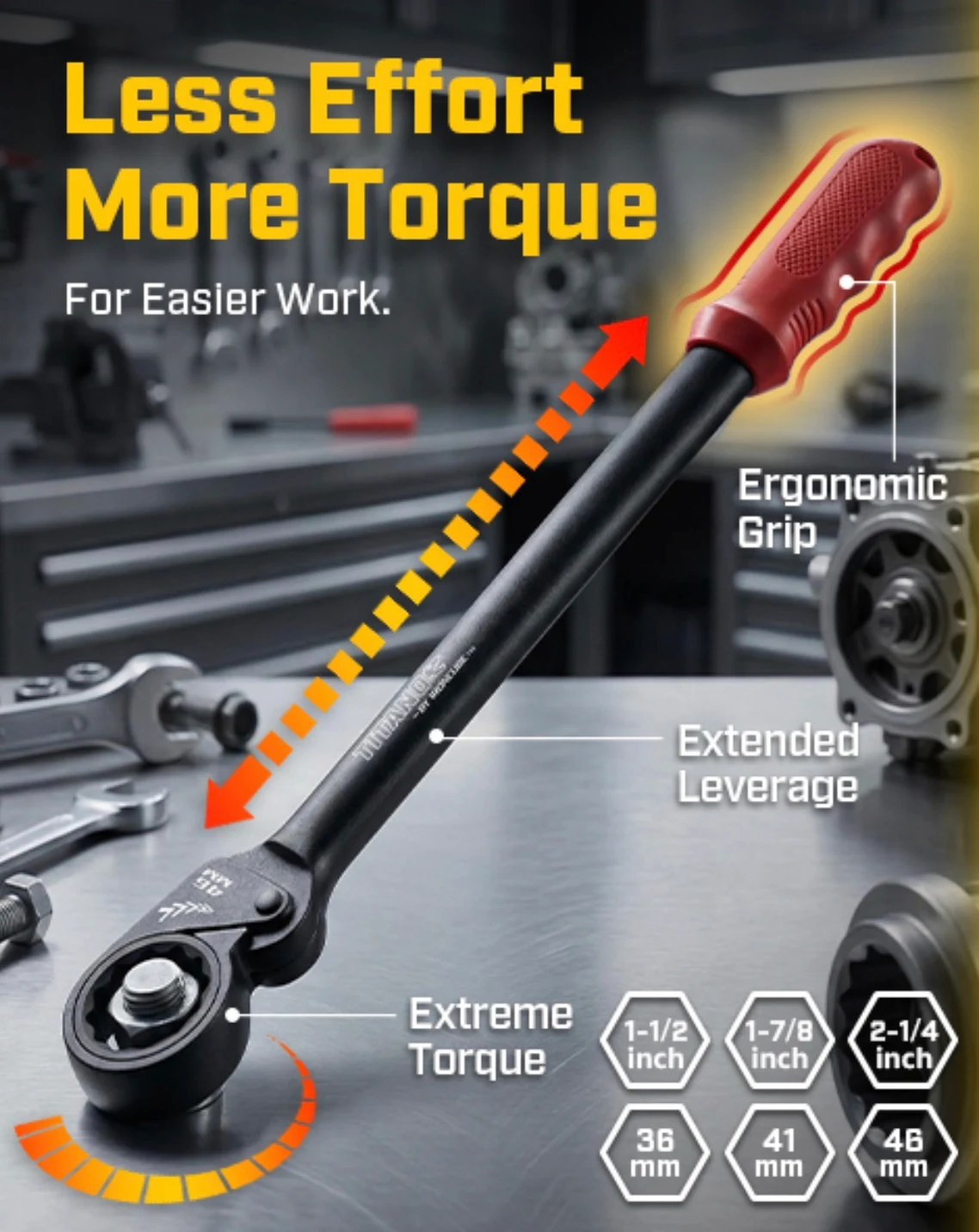
At IronCube Works, we understand the importance of quality tools for automotive repairs. Our 12-Piece Flexible Head Ratcheting Wrench Set is designed to meet the demands of professionals and DIYers alike. With durable construction, ergonomic handles, and a versatile design, our tools make working with automotive suspension fasteners a breeze.
Explore our full range of wrenches and discover why IronCube is the trusted choice for automotive tools.
Summary
Working with automotive suspension fasteners requires the right tools, techniques, and knowledge. By choosing high-quality wrenches like those from IronCube Works, you can ensure safe and efficient repairs. Whether you’re tightening a bolt or replacing a fastener, precision and care are key to maintaining your vehicle’s suspension system.
For more tips and tools, visit IronCube Works and explore our collection of wrenches designed for professionals and DIYers alike.
FAQs
What size wrench is best for suspension fasteners?
Suspension fasteners vary between 10 mm and 22mm. Check the specific vehicle manual and keep a set covering these sizes.
Can I use an adjustable wrench on suspension bolts?
While adjustable wrenches offer flexibility, they don’t provide a precise fit, increasing the risk of rounding bolts. It’s better to use fixed-size wrenches for suspension work.
Why is a ratcheting wrench helpful for suspension repairs?
Ratcheting wrenches reduce the need to reposition the tool, especially in tight spaces commonly found in suspension assemblies.
Should I use a torque wrench with suspension fasteners?
Yes. Accurate torque is critical for safety and performance; always finalize with a torque wrench.
Where can I buy reliable automotive wrenches?
Ironcube offers durable tools optimized for automotive repair. Visit Ironcube Works or their Amazon store for quality options.