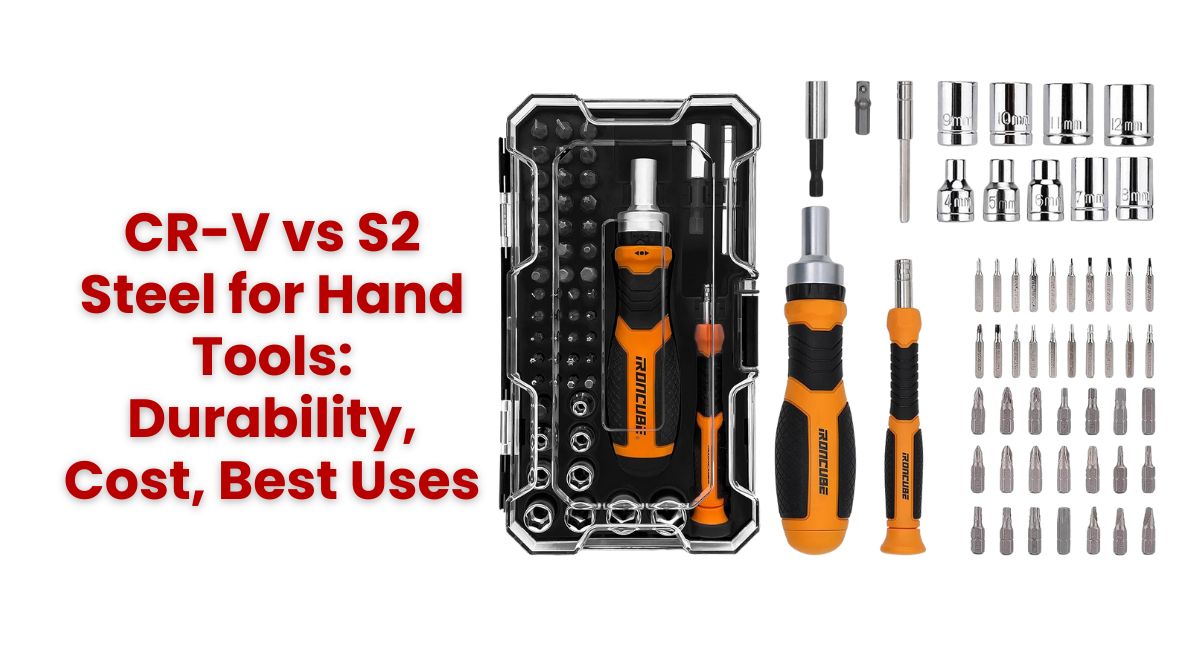
When it comes to selecting the right steel for hand tools, every craftsman, DIY enthusiast, or professional mechanic knows that the material makes all the difference. Whether you’re tightening bolts on a rusty engine block or assembling furniture in your garage, the steel in your wrenches, screwdrivers, and sockets determines how long your tools will last—and how frustrating (or seamless) your workday will be. In this comprehensive guide, we’ll dive deep into the showdown between two popular choices: CR-V (Chrome Vanadium) steel and S2 steel. We’ll explore their durability under real-world punishment, break down the cost implications for your budget, and pinpoint the best uses for each in everyday hand tool applications.
At IronCube Works, we’ve spent years crafting high-quality hand tools that stand up to the toughest jobs. Our commitment to superior materials ensures that every wrench or bit you pick up delivers reliable performance without the headache of constant replacements. If you’re tired of tools that snap or strip after a few uses, understanding CR-V vs S2 steel is your first step toward a more efficient toolkit. Let’s break it down, starting with the fundamentals of steel for hand tools.
What is CR-V Steel?
CR-V (Chromium Vanadium) steel is a high-quality alloy that combines chromium and vanadium to enhance its properties. This steel is known for its excellent balance of strength, toughness, and resistance to wear.
Key Properties of CR-V Steel
- High Tensile Strength: CR-V steel can withstand significant force without breaking, making it ideal for tools like wrenches and sockets.
- Durability: The addition of chromium improves corrosion resistance, while vanadium enhances toughness.
- Cost-Effectiveness: CR-V steel is more affordable compared to premium steels like S2, making it a popular choice for budget-conscious buyers.
For a deeper dive into the types of wrenches made from CR-V steel, check out our guide on 32 Types of Wrenches and How to Choose.
What is S2 Steel?
S2 steel is a high-performance alloy tool steel that contains silicon, manganese, and molybdenum. It is renowned for its exceptional hardness and impact resistance, making it a top choice for heavy-duty applications.
Key Properties of S2 Steel
- Superior Hardness: S2 steel is harder than CR-V, which allows it to maintain its edge and resist deformation under extreme conditions.
- Impact Resistance: This steel can absorb significant shock without cracking, making it ideal for tools like screwdrivers and pry bars.
- Higher Cost: Due to its premium properties, S2 steel tools are generally more expensive than CR-V tools.
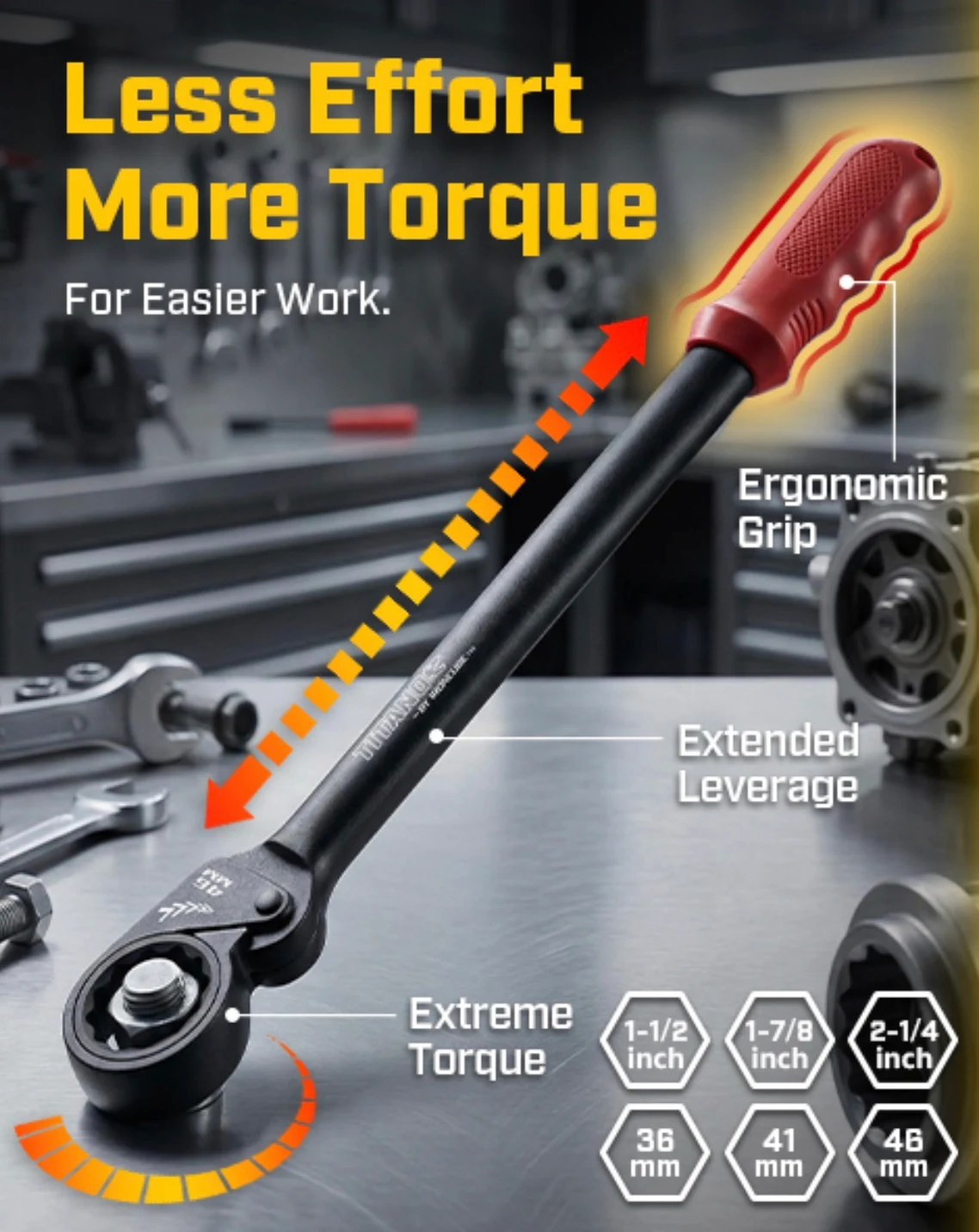
For those interested in specialized tools, our Ratcheting Wrench Sets with Flex Head are a great example of S2 steel in action.
Comparing Durability: CR-V Steel vs. S2 Steel
Durability is one of the most important factors in selecting the right steel for hand tools. Here’s a detailed comparison between CR-V and S2 steels in terms of hardness, strength, corrosion resistance, and impact resistance:
| Property | CR-V Steel | S2 Steel |
|---|---|---|
| Hardness | Medium hardness, typically 50-60 HRC | Very high hardness, generally 58-62 HRC |
| Impact Resistance | Good impact resistance for general tasks | Exceptional impact resistance, ideal for impact tools |
| Corrosion Resistance | Good due to chromium content | Moderate, often requires coatings |
| Wear Resistance | Good wear resistance | Superior wear resistance |
| Toughness | Balanced toughness and flexibility | Higher toughness, less bendable but more fracture resistant |
CR-V steel is versatile and durable enough for standard hand tools, while S2 steel is tailored for tools exposed to repeated heavy shocks and impacts.
Cost Analysis: CR-V vs S2 Steel Tools
Price is a significant consideration when buying tools, and the type of steel can influence tool cost substantially.
CR-V Steel Tools typically cost less due to lower manufacturing and material processing expenses.
S2 Steel Tools are usually higher-priced because of the premium alloy content, additional heat treatment, and superior performance characteristics.
For DIY users or general maintenance, CR-V tools provide excellent value without overspending. Professionals dealing with machinery, automotive repairs, or construction may find the extra investment in S2 steel worthwhile for its resilience and longevity.
You can browse carefully crafted cr-v steel wrenches and tools and explore premium S2 products at Ironcube Works.
Best Uses for CR-V Steel Hand Tools
CR-V steel’s balanced properties make it ideal for a variety of hand tools that demand durability and moderate toughness without the cost of extreme hardness.
Common tools made from CR-V steel include:
Open-end and combination wrenches
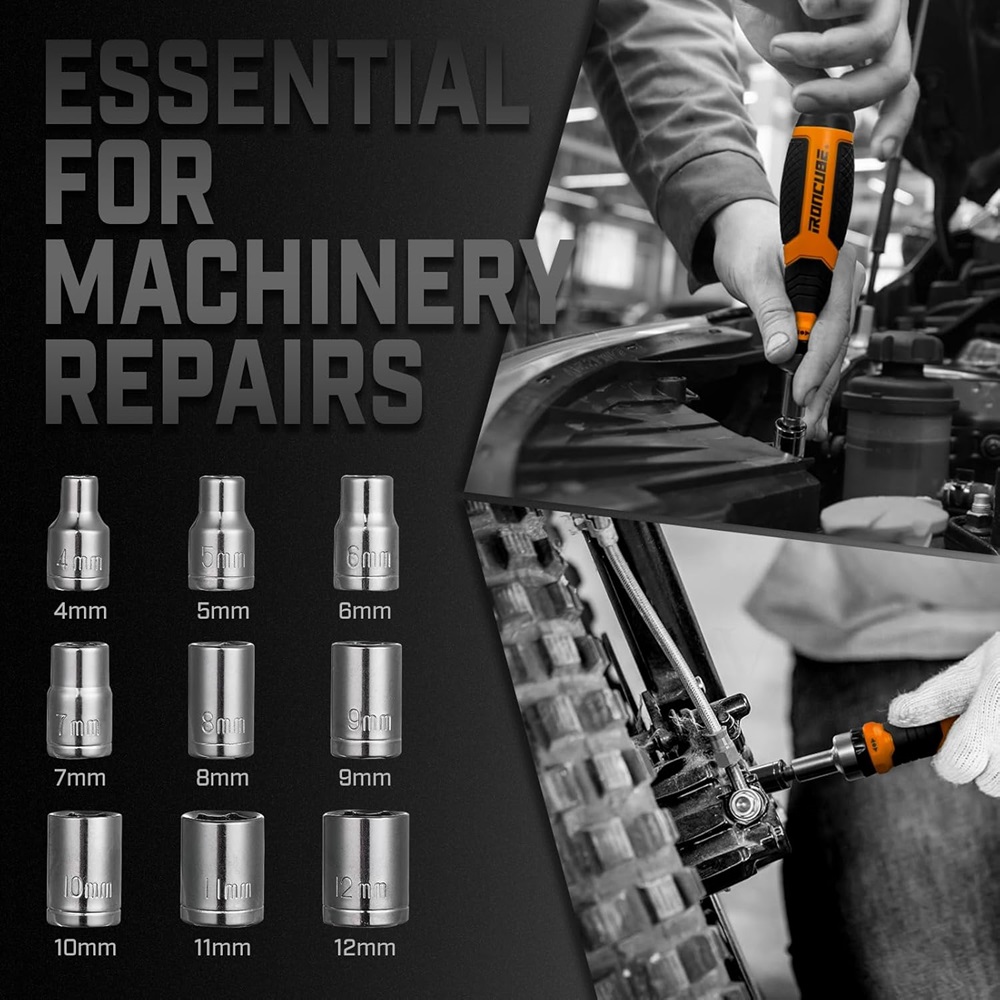
Socket sets and ratchets for moderate workloads
Screwdrivers, pliers, and hand saws
General repair and maintenance tools
This steel performs well in automotive repairs, home DIY tasks, electrical work, and light construction projects. The corrosion resistance also helps tools maintain their finish and usability over long periods when properly maintained (How to Maintain Hand Tools).
Best Uses for S2 Steel Hand Tools
S2 steel is engineered for hand tools expected to endure the toughest conditions and frequent impact use.
Ideal tools using S2 steel include:
Impact driver bits and drill bits
Ratcheting wrench sets designed for high torque applications (Ratcheting Wrench Sets with Flex Head)
Heavy-duty hammers and chisels
Specialized mechanic’s tools subject to frequent shock loading
Due to its exceptional hardness and fatigue resistance, S2 steel is best in professional trades and industries where tool failure means lost time or potential hazards.
Practical Considerations: Which Steel Should You Choose?
The decision comes down to what kind of user you are:
DIY Enthusiasts / Homeowners: CR-V is more than enough.
Mechanics & Professionals: A mix of CR-V (for general use) and S2 (for torque-heavy precision tools) is ideal.
Budget Shoppers: CR-V wins for affordability.
Performance Seekers: S2 delivers better wear resistance.
If you’re still unsure, Ironcube even offers customized tool solutions to help you get exactly what fits your needs.
Maintaining CR-V and S2 Steel Tools
Even the best steel needs care. Here are quick tips (full guide here):
Clean after use: Dirt and moisture accelerate wear.
Apply light oil: Prevents corrosion.
Proper storage: Use a tool chest or wall rack to keep humidity away.
Avoid misuse: Don’t use screwdrivers as chisels, even if they’re S2 steel!
How to Choose the Right Steel for Your Hand Tools
Selecting steel for hand tools boils down to your workflow. Assess usage frequency: Under 20 hours/week? CR-V. Over? S2.
Factors to Consider: Job Type, Budget, and Environment
Heavy vibration (e.g., construction)? S2’s shock resistance wins. Humid areas? CR-V’s chrome layer. Budgets tight? Start CR-V, upgrade as needed.
Building a Balanced Toolkit
Mix them: CR-V for pliers, S2 for sockets. Consult our how to use hand tools for integration tips.
Pro Tips from IronCube Experts
Test torque ratings—S2 often exceeds 600 ft-lbs. Watch demos on our YouTube channel for visual proofs.
With these steps, your choice aligns with reality, not hype.
Summary
Choosing the right steel for hand tools is fundamental to ensuring tool durability, cost-effectiveness, and performance reliability. CR-V steel is an excellent budget-friendly option with good toughness and corrosion resistance, perfect for most general hand tool applications. In contrast, S2 steel provides superior hardness and impact resistance essential for professional-grade impact tools and high-torque environments.
By understanding the strengths and ideal uses of CR-V and S2 steels, users can make informed purchases tailored to their mechanical needs. For a wide range of durable, quality hand tools crafted from these steels, explore Ironcube Works and attract the longevity and reliability you deserve in your toolset.
For more insights on the best hand tools, maintenance tips, and detailed guidebooks, trust Ironcube’s expert resources and collections.
FAQ
Q: What makes CR-V steel a good choice for hand tools?
A: CR-V steel offers an excellent balance of strength, toughness, and corrosion resistance at an affordable price, making it well-suited for general-purpose hand tools.
Q: Why is S2 steel preferred for impact tools?
A: S2 steel is heat-treated for high hardness and shock resistance, helping impact tools endure repetitive heavy forces without breaking or deforming.
Q: Are S2 steel tools more expensive than CR-V tools?
A: Yes, S2 steel tools tend to be pricier due to the alloy composition and heat treatment process, but they provide superior durability in demanding applications.
Q: Can I use CR-V tools for heavy machinery repair?
A: While CR-V tools can manage moderate mechanical repairs, heavy machinery requiring extreme torque and impact resistance typically needs S2 steel tools.
Q: How to maintain steel hand tools to ensure longevity?
A: Regular cleaning, applying lubricants, and storing in a dry environment are essential. Refer to How to Maintain Hand Tools for detailed tips.