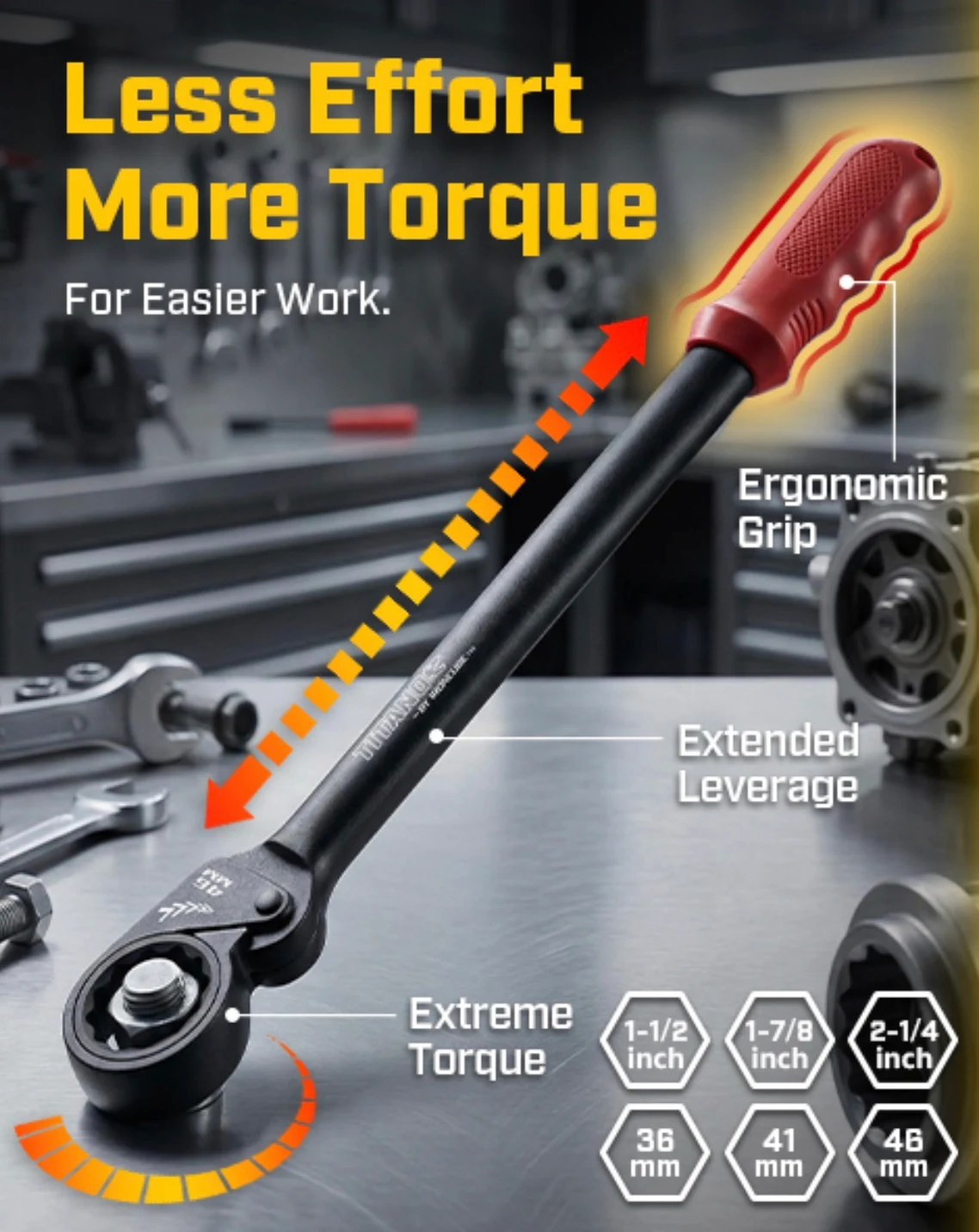
Owning a home is one of the most satisfying things a person can do — and one of the most humbling. Sooner or later, a hinge squeaks, a pipe fitting loosens, a shelf pulls away from the wall, or a flat-pack desk arrives in forty-seven pieces. At that moment, you reach for a screwdriver and realize you do not actually own one. It happens to almost everyone at some point.
The good news is that building a solid set of essential tools for home repair does not require a trip to a professional supply house or a four-figure investment. A well-chosen starter toolkit of fifteen to twenty quality tools covers the vast majority of everyday household repairs. According to the American Housing Survey data published by the U.S. Census Bureau, American homeowners spend an average of over $3,000 annually on home maintenance and repairs — much of it on tasks that a reasonably equipped homeowner could handle independently.
This guide walks you through every essential tool for home repair you genuinely need in 2026, explains what to look for in terms of quality, covers how to organize your toolkit for fast access, and points you toward reliable products from IRONCUBE that deliver professional-grade performance at practical prices. Whether you are setting up your very first home toolkit or filling gaps in a collection that grew organically over the years, this is the resource to start with.
Why Every Homeowner Needs a Basic Repair Toolkit
There is a certain logic that leads people to call a professional for every small repair: time is valuable, DIY mistakes can make things worse, and calling someone seems like the safe option. That logic breaks down fast once you look at what routine service calls actually cost.
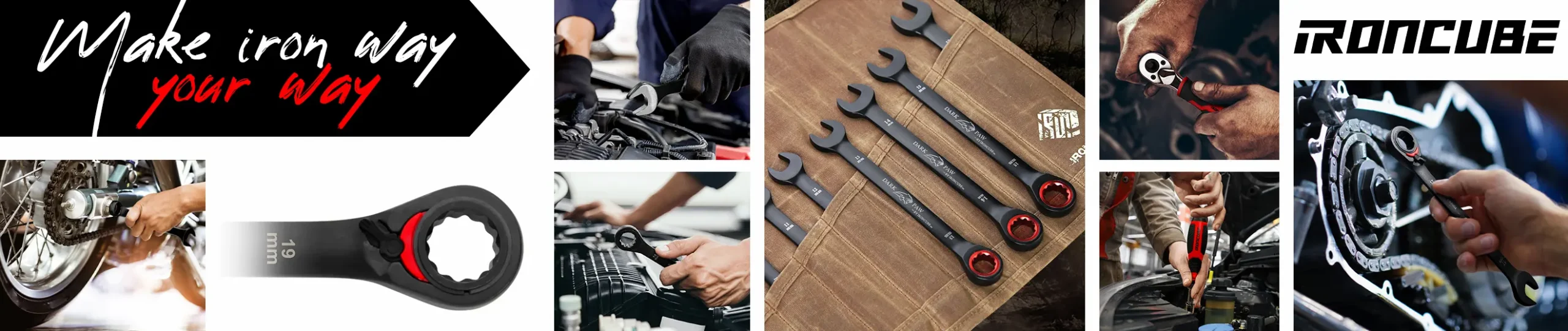
The Real Cost of Calling a Handyman for Simple Fixes
HomeAdvisor’s national data consistently shows that the average handyman service call costs between $65 and $125 per hour, with most companies enforcing a one-hour minimum. A simple task like tightening loose cabinet hinges, replacing a door handle, or rehanging a towel bar that takes ten minutes of actual work still costs you a full hour’s labor charge, plus any markup on parts. Over a year, even four or five such calls easily add up to $400–$600 in avoidable expense.
How a Small Tool Investment Saves Hundreds Per Year
A quality home toolkit costs between $150 and $350 depending on the brand and completeness. At the low end of handyman rates, that investment pays for itself after just two or three service calls. After that, every repair you handle yourself is pure savings.
Beyond the direct financial benefit, there is a practical competence argument. Homeowners who understand their own tools and know how to use them make better decisions about when a professional genuinely is needed. They can assess whether a problem is minor or serious, communicate accurately with contractors, and avoid being overcharged for work that was simpler than quoted. Having the right essential tools for home repair is as much about confidence as it is about cost.
The 15 Essential Tools Every Home Should Have
This list prioritizes tools by their frequency of use in real residential maintenance scenarios. These are not aspirational workshop tools — every item here addresses a category of repair that comes up regularly in the life of any homeowner.
Screwdriver Set — Phillips and Flathead Are Non-Negotiable
If you could only own one tool, a good screwdriver set would be the intelligent choice. Screws hold together virtually everything in a modern home: appliances, furniture, outlets, switches, fixtures, cabinetry, and more. A proper set includes at minimum Phillips #0, #1, and #2, and flathead sizes 3 mm, 5 mm, and 6.5 mm — covering the range from small electronics and outlet covers to large furniture and appliance panels.
Quality matters enormously here. Cheap screwdrivers with soft tips deform after a small number of uses, leading to slipping, stripped screw heads, and the kind of minor frustration that makes DIY repair feel harder than it is. Chrome vanadium (Cr-V) steel tips hardened to 55–60 HRC hold their geometry over thousands of uses. The 6-piece TPR handle screwdriver set from IRONCUBE uses exactly this standard — hardened tips, thermoplastic rubber handles for grip — and covers the sizes most used in residential repair. For a deeper look at magnetic-tip options (which make life significantly easier when working with screws in tight spaces), the IRONCUBE article on magnetic screwdriver set benefits and top picks for 2026 is worth reading.
Combination Wrench Set — For Plumbing, Furniture, and Appliances
A combination wrench set — with an open end on one side and a box end (ring) on the other — is the most versatile wrench configuration for home use. The box end grips hex fasteners on all six faces, which prevents rounding. The open end allows fast spinning in applications where the fastener is already loose or where swing arc is limited.
According to the historical overview of the wrench on Wikipedia, the combination wrench design has been the standard workshop configuration since the early twentieth century precisely because it combines two functions in one compact tool. Browse the complete IRONCUBE wrench collection for the full range.
Tape Measure, Level, and Utility Knife
These three tools belong in the same breath because they address the same category of problem: measurement and marking. A 25-foot tape measure with a blade width of at least 25 mm (which allows the blade to extend unsupported for several feet without collapsing) is the right specification for home use. A 4-foot level is more versatile than a 2-foot level for hanging shelves, pictures, and cabinets accurately. A utility knife with snap-off blades handles drywall scoring, carpet trimming, caulk removal, and box opening.
Pliers — Needle-Nose and Slip-Joint
Pliers are gripping tools, and different gripping tasks call for different jaw geometries. Needle-nose pliers are the right tool for reaching into confined spaces — pulling wire, positioning small fasteners, bending clips, and manipulating components that fingers cannot reach. Slip-joint pliers (also called channel-lock or water-pump pliers) open wide enough to grip large plumbing fittings, hose clamps, and pipe joints, and the adjustable jaw makes them adaptable across a range of sizes.
Hammer and Pry Bar
A 16-ounce curved claw hammer is the standard residential specification. Heavier framing hammers (20–28 oz) drive nails faster but fatigue your wrist on the light-duty tasks a homeowner actually encounters most often. The curved claw is optimized for nail extraction — the most common secondary use of a residential hammer after driving nails and picture hooks.
A flat pry bar — sometimes called a crowbar or wrecking bar — is underrated on most beginner tool lists and overused in practice. Removing baseboards without cracking them, lifting floor tiles, pulling stubborn nails flush, and disassembling furniture without damage all become straightforward with a flat pry bar that most people never buy until they desperately need one.
Adjustable Wrench — The Versatile Backup
An adjustable wrench (sometimes called a crescent wrench after the Crescent brand that popularized the design) replaces an enormous number of fixed-size wrenches in situations where you only need occasional access to a given fastener size. The jaw opens and closes via a worm-gear mechanism, letting one tool cover fasteners from 6 mm to 38 mm depending on the wrench size.
For home use, a 10-inch adjustable wrench is the most practical size — large enough for plumbing shutoff valves and appliance connections, small enough to fit in tight spaces under sinks. A second 6-inch model covers finer work on fixture hardware and bicycle components. The jaw of a quality adjustable wrench should have minimal slop — if the movable jaw wobbles laterally when you apply torque, it will round fasteners rather than grip them.
Allen Key (Hex Key) Set for Flat-Pack Furniture
The proliferation of flat-pack furniture — from IKEA to budget suppliers everywhere — has made the hex key (Allen key) one of the most-used tools in the modern home. Hex socket fasteners are used in virtually all assembled furniture joints, bicycle components, faucet handles, and set screws in hinges and brackets. A complete metric hex key set covering 1.5 mm through 10 mm handles essentially all residential applications.
Folding hex key sets (sometimes called hex key folders) keep all sizes together and accessible without the frustration of loose individual keys scattered at the bottom of a toolbox. T-handle hex keys give significantly more torque for large furniture bolts and are worth adding once your collection matures. The IRONCUBE 21-in-1 Magnetic Multi-Ratcheting Screwdriver Set includes hex bit adapters alongside Phillips, Torx, and flathead bits — a practical consolidation that reduces how many separate tools you need to own.
Rounding Out Your Home Toolkit — Eight More Tools Worth Having
The seven categories above cover the foundation. These eight additions address the most common gap scenarios that homeowners encounter once the absolute basics are in place.
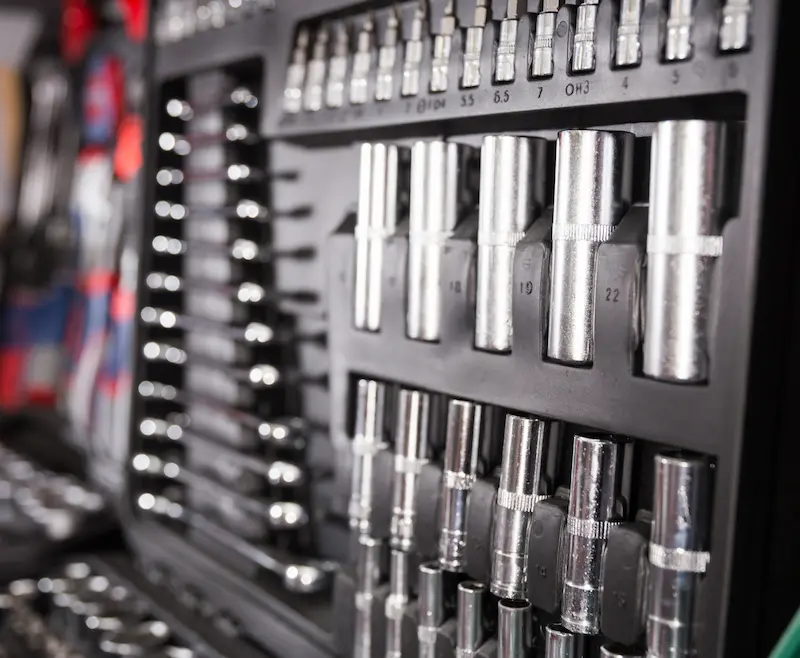
Power drill / driver — For driving large numbers of screws, boring holes for anchors, and mixing tile adhesive or grout. An 18V cordless drill-driver with two batteries covers almost all residential needs.
Stud finder — Finding wall studs before drilling into drywall prevents anchor failures and limits collateral damage. Modern magnetic stud finders are simple, accurate, and inexpensive.
Caulking gun — Bathroom, kitchen, and exterior caulk applications all require a standard skeleton-frame caulking gun. A smooth-rod model with a pressure-release mechanism gives significantly more control than a ratchet-rod gun.
Wire stripper / voltage tester — Even if you never tackle major electrical work, a non-contact voltage tester protects you from shock when changing outlets, switching out fixtures, or troubleshooting a circuit. A wire stripper handles 12 and 14 gauge household wire.
Putty knife — Spreading filler, scraping old caulk, patching drywall holes, and removing paint drips are all made simpler with a good 3-inch flexible putty knife paired with a stiffer 4-inch version for tougher scraping work.
Pipe wrench — One 10-inch pipe wrench handles the majority of residential plumbing connections involving threaded iron pipe. For compression fittings and valve bodies, a second adjustable wrench works as the hold-still counterpart.
Safety glasses and work gloves — Personal protective equipment is not optional. Eye protection and cut-resistant gloves should be considered essential tools for home repair in every meaningful sense of the word.
Flashlight or headlamp — Crawl spaces, attic access points, under-sink cabinet interiors, and fuse boxes are universally underlit. A headlamp keeps both hands free during the tasks that most need them.
Starter Tool Kit Comparison — Budget, Mid-Range, and Professional
If you are building your toolkit from scratch rather than adding individual tools, a pre-assembled kit can be a cost-effective starting point. Here is a realistic comparison of what different price tiers deliver for home toolkit essentials.
| Category | Budget (Under $80) | Mid-Range ($80–$200) | Professional ($200+) |
| Screwdriver set | Soft tips, basic sizes | Cr-V, magnetic tips, 6–10 pc | S2 steel, full bit set, 20+ pc |
| Wrench set | Chrome-plated, limited sizes | Cr-V forged, metric + SAE | Full combination set, ANSI spec |
| Pliers set | Single material handle | Bi-material, 2–3 pc set | Drop-forged, 4–5 pc set |
| Hammer | Fiberglass, light weight | 16 oz, rubber grip | Hickory or steel, balanced weight |
| Tape measure | Basic locking blade | 25 ft, reinforced tip | Laser measure + tape combo |
| Hex keys | Loose keys, basic sizes | Folding set, metric + SAE | T-handle set, full range |
| Storage | Tote bag or basic case | Zippered bag or small chest | Rolling cabinet or hard case |
Budget kits serve well for the first year of homeownership when tool needs are still being defined. Mid-range kits from established brands deliver the quality-to-price ratio that makes the most financial sense for most homeowners.
How to Choose Quality Over Quantity in Your First Tool Kit
The most common mistake first-time tool buyers make is prioritizing piece count. A “300-piece mechanic’s set” for $49 sounds impressive until you realize that 200 of those pieces are socket sizes you will never use, made from steel so soft that the drive squares deform after the first serious application. Five great tools outperform fifty mediocre ones every time.
Chrome Vanadium Steel Tools Last Longer Than Cheap Alternatives
The two steel grades most relevant to home hand tools are chrome vanadium (Cr-V) and carbon steel. Cr-V is an alloy steel containing chromium (0.8–1.1%) and vanadium (0.1–0.3%), which together increase hardness, toughness, and resistance to shock and abrasion. When properly heat-treated, Cr-V hand tools maintain their dimensional accuracy through years of residential use without the brittleness of harder tool steels that can crack under impact.
Quality basic home repair tools made from Cr-V forged steel cost somewhat more and last dramatically longer. See the full range of Cr-V options across the IRONCUBE screwdriver collection for reference.
Ergonomic Handles Prevent Fatigue on Longer Tasks
Handle design affects both safety and productivity. A smooth polished plastic handle provides minimal grip when your hands are dirty, dusty, or slightly damp — conditions that occur in virtually every repair scenario. Bi-material handles with a rigid core and a soft thermoplastic rubber (TPR) overmold give significantly better grip across surface conditions, reduce vibration transmitted to the hand, and prevent blisters during extended use.
Handle diameter also matters. A screwdriver handle that is too thin forces a pinch grip, limiting the torque you can apply and fatiguing the small muscles of the hand quickly. Larger-diameter handles allow a full wrap grip and multiply the torque you can generate for a given hand force.
How to Organize and Store Your Home Toolkit
A tool you cannot find is a tool you effectively do not own. The frustration of a mid-project search through a disorganized drawer or a pile of loose tools in a grocery bag is one of the most reliable ways to give up on DIY repair entirely. Thoughtful tool storage pays dividends every time you reach for something.
For a starter home toolkit of 15–25 tools, a zippered canvas tool tote</strong> is usually the right starting point. Totes are portable, keep everything in one place, and have enough interior pockets to separate small items like hex keys and utility knife blades from larger tools. As your collection grows past 30 pieces, a mid-size rolling tool chest with shallow drawers becomes more practical — each tool has a fixed location, and you can see everything at a glance without digging.
A few organizational principles make a significant difference regardless of what storage solution you use. Keep frequently used tools accessible at the top or front of storage. Store sharp tools — utility knives, chisels, wood saws — in sheaths or blade guards to prevent injury during retrieval. Keep rust-prone tools lightly oiled and away from humid environments like uninsulated garages in climates with significant seasonal temperature swings.
Label storage compartments when you first set up your system, before the arrangement becomes memorized habit. Labels make it immediately obvious when something is missing — a small detail that prevents the frustrating experience of getting mid-task and realizing the tool you need is not where it should be.
Recommended Starter Kits from IRONCUBE Works
IRONCUBE is a professional hand tool brand that builds products to ANSI and DIN standards across its screwdriver and wrench ranges. For homeowners building their first tool kit, or experienced DIYers who want to replace worn-out basics with something better, the IRONCUBE lineup offers several immediately practical options.
The IRONCUBE 56-in-1 Ratcheting Screwdriver and Bits Set on Amazon is one of the most versatile single tools a homeowner can own. The ratcheting handle with a 72-tooth mechanism allows fast driving in confined spaces, and the 56-piece bit library covers Phillips, flathead, Torx, hex, and square drive profiles across the sizes encountered in furniture, appliances, electronics, and general household use. For most people, this one set replaces six or seven individual screwdrivers and a hex key set.
For wrench needs, the IRONCUBE ANSI Standard Double Open-End Wrench delivers forged Cr-V steel construction with dimensional accuracy to ANSI B107 standards. Paired with an adjustable wrench from the same range, these two tools handle the majority of plumbing, appliance, and furniture repair scenarios most homeowners encounter.
The IRONCUBE 6-piece TPR handle screwdriver set covers the core sizes in an ergonomic, durable package — a practical choice as a dedicated precision set alongside a multi-bit ratcheting driver, or as a standalone starter screwdriver kit. For visual overviews of IRONCUBE tools in use, the IRONCUBE YouTube channel publishes product reviews, usage tutorials, and comparison content that helps buyers make confident decisions before purchasing.
Browse the complete product library and find what fits your specific repair needs at IRONCUBE contact page.
Summary
Assembling a reliable selection of essential tools for home repair is an important step toward self-reliance as a property owner. Starting with high-quality core items—like an interchangeable ratcheting screwdriver, a durable hammer, and precise combination wrenches—allows you to handle routine maintenance projects safely and effectively.
Focusing on premium materials like Chrome Vanadium steel and ergonomic handles guarantees your gear will perform reliably for years. Over time, your toolbox transforms from an occasional repair kit into a valuable asset that saves you money and preserves your property value.
If you have questions about specific tool features or need help picking the right setup for an upcoming project, feel free to visit the official IRONCUBE Tools YouTube Channel for practical demonstrations. You can also contact our support team directly through IRONCUBE Contact Page for expert advice on choosing the perfect tools for your home workshop.
end=”8963″>FAQs
ction-id=”1z0onnu” data-start=”8965″ data-end=”9050″>1. What are the most important essential tools for home repair for beginners?
The most important essential tools for home repair include screwdrivers, wrenches, hammer, tape measure, and pliers. These cover most household fixes.
2. How much should I spend on a starter tool kit?
A good essential tools for home repair kit usually costs between $50 and $150 depending on quality and brand.
3. Can I build my own DIY toolkit instead of buying a set?
Yes, building your own essential tools for home repair kit allows customization based on your home needs.
4. Are expensive tools really better for home use?
High-quality essential tools for home repair last longer, offer better grip, and reduce repair mistakes.
5. What tools should I prioritize first?
Start with screwdrivers, adjustable wrench, hammer, and pliers as your core essential tools for home repair.