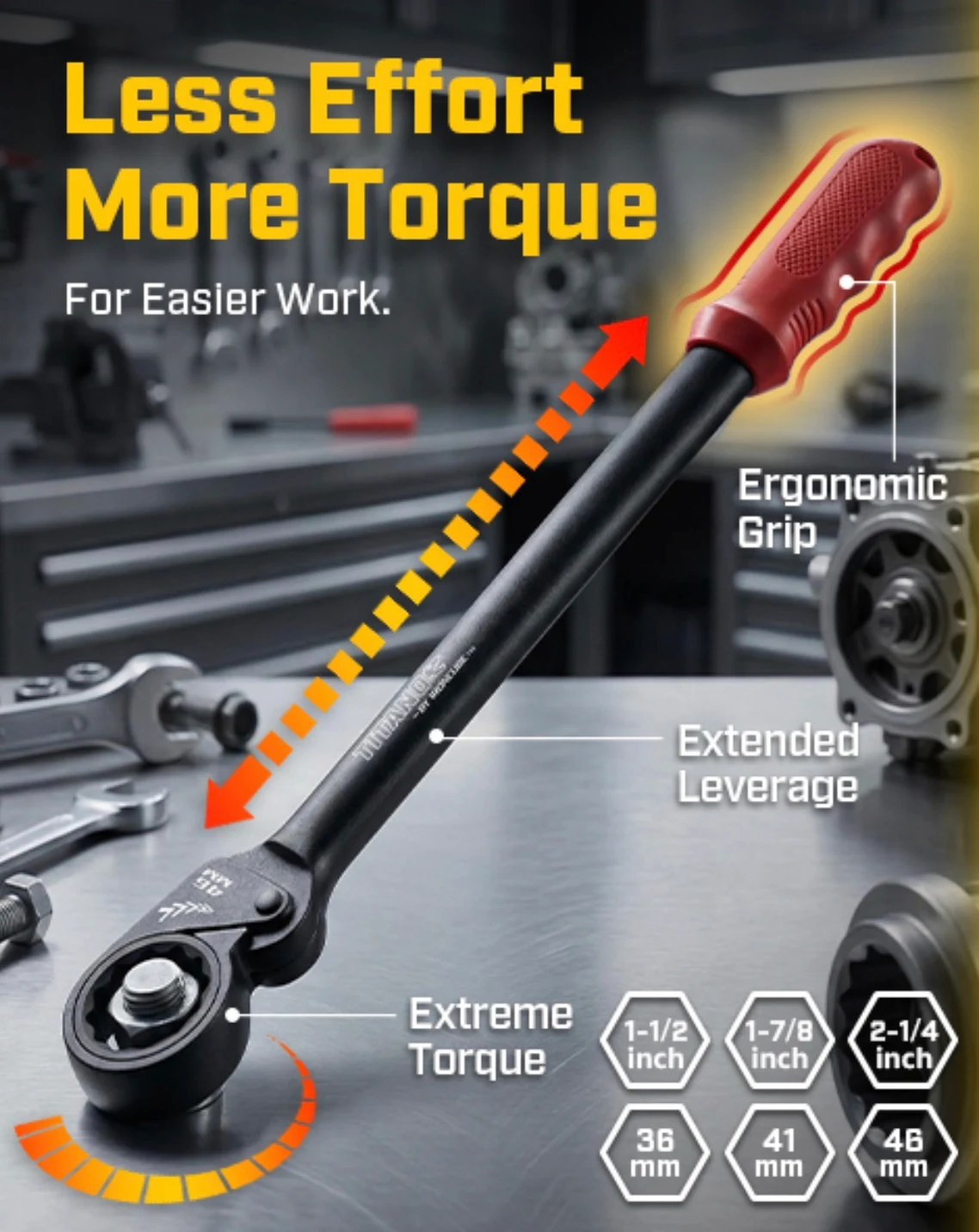
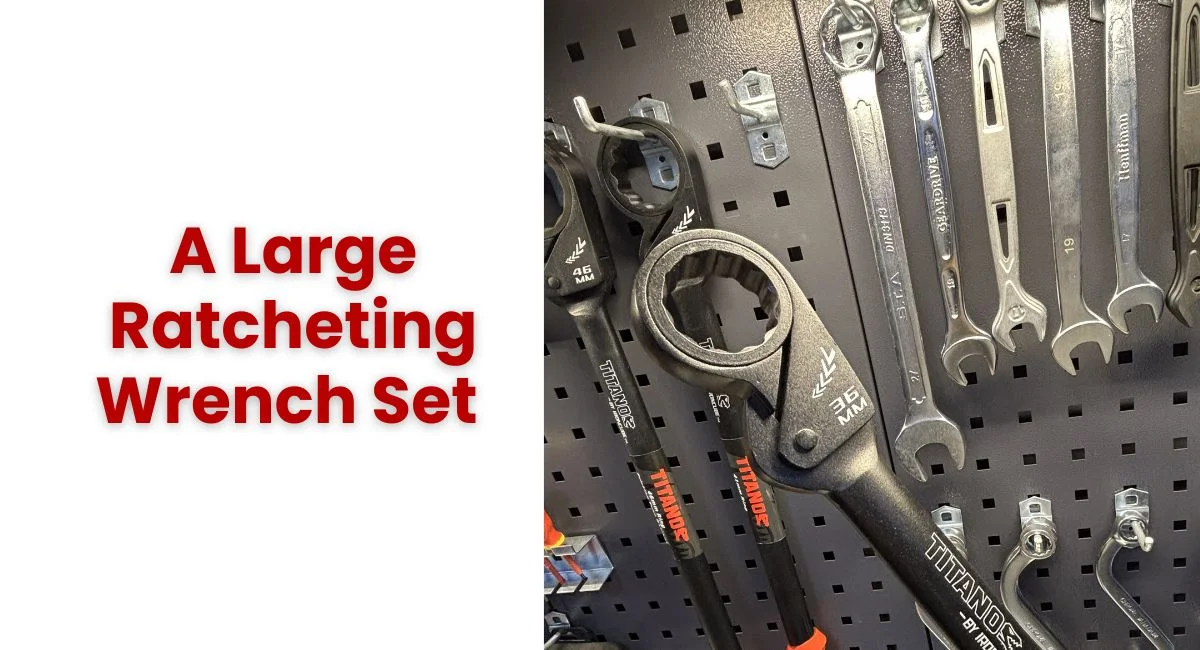
When it comes to handling large fasteners, industrial machinery, or automotive repairs, selecting the right Large Ratcheting Wrench Set can make the difference between efficiency and frustration. Professionals and DIY mechanics alike rely on durable ratcheting tools to improve productivity, reduce fatigue, and ensure precise torque application.
A ratcheting wrench allows you to tighten or loosen bolts without removing the tool after each turn. According to the technical overview of a wrench from authoritative engineering sources, this innovation significantly enhances workflow speed and reduces repetitive motion injuries. You can learn more about the tool’s evolution in this detailed explanation from Wikipedia’s wrench guide.
This comprehensive guide will help you understand what to look for, how to compare different options, and how to select the ideal Large Ratcheting Wrench Set for your shop or professional toolkit.
What a Large Ratcheting Wrench Set Is
A Large Ratcheting Wrench Set consists of oversized spanners designed to work with large bolts and nuts, typically found in heavy machinery, automotive systems, and structural equipment. These sets often include multiple sizes to accommodate various applications.
Unlike standard wrenches, ratcheting mechanisms allow continuous movement in one direction without repositioning. This design increases efficiency and reduces hand strain, especially during prolonged mechanical work.
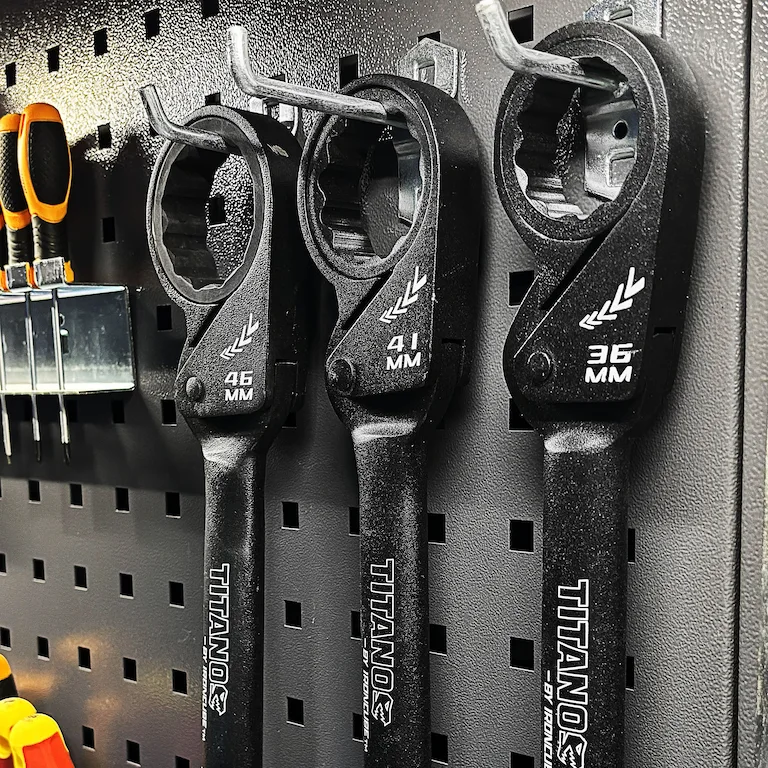
Professionals often explore industrial-grade collections such as those featured on the IronCube Works wrench category to ensure they invest in high-quality tools built for long-term performance.
When Choosing a Large Ratcheting Wrench Set
1. Size Range and Coverage
The first question to answer is simple: what fastener sizes do you actually encounter? If you work exclusively on heavy trucks, you might need metric wrenches from 24 mm through 46 mm. Farm equipment might demand SAE sizes up to 2 inches. Some jobs need both.
Check your most-used sizes and make sure the set covers them without forcing you to buy supplemental singles. A gap in the middle of the range—say, a set that jumps from 30 mm straight to 36 mm—will cost you time and money down the road. IRONCUBE’s extra-large heavy-duty ratcheting wrenches cover a broad metric range specifically because working professionals asked for it.
2. Material and Heat Treatment
Chrome vanadium (Cr-V) steel is the baseline for professional-grade wrenches. It provides good hardness without becoming brittle. Higher-end sets use chrome molybdenum (Cr-Mo) for even better fatigue resistance.
Heat treatment matters just as much as alloy choice. Drop-forged blanks that are through-hardened and tempered will outperform wrenches that are only surface-hardened. You can usually tell the difference by weight and by the satin or mirror finish—quality wrenches feel dense and uniformly finished.
If a manufacturer doesn’t mention the steel grade or heat-treatment process on its spec sheet, that’s a red flag. Reputable makers of jumbo ratchet wrenches for heavy-duty work will always publish their material specifications.
3. Ratchet Tooth Count and Arc Swing
The tooth count of the ratcheting mechanism determines the minimum arc swing—the smallest angle you can move the wrench before the ratchet engages the next tooth. A 72-tooth ratchet, for instance, requires only a 5-degree swing. That number is important in tight quarters where you can barely move the handle.
For large ratcheting wrenches, tooth count becomes a trade-off. More teeth means finer engagement, but each individual tooth is smaller and carries more load per unit area. Most quality large ratcheting wrench sets land between 72 and 120 teeth. Above 120, durability can suffer under heavy torque unless the manufacturer uses premium gear steel.
4. Handle Length and Leverage
Longer handles provide more leverage, which means less brute effort on your part. That sounds great until you try to swing a 20-inch wrench inside an engine bay with three inches of clearance. The best approach is to look for sets where handle length scales proportionally with head size.
Some manufacturers also offer extra-long ratcheting wrench sets as a separate product line. If your work routinely puts the fastener deep inside a machine frame, an extra-long option can save you from reaching for a crows-foot adapter or extension bar.
5. Surface Finish and Corrosion Resistance
Chrome plating is standard for corrosion protection and easy cleaning. Satin finishes resist glare under shop lights, which is a surprisingly practical benefit when you’re working overhead. Some sets offer a black oxide finish that reduces glare further but needs occasional oiling to stay rust-free.
Whatever finish you choose, make sure it extends fully into the box end and the ratchet housing. Cheap plating that flakes inside the mechanism will cause binding and premature wear.
Applications of a Large Ratcheting Wrench Set
A Large Ratcheting Wrench Set serves multiple industrial and mechanical purposes.
Heavy equipment maintenance remains one of the primary uses. Operators working with excavators or loaders require robust tools to handle oversized bolts.
In automotive repair, large ratcheting tools assist with suspension systems, engine mounts, and brake components. These tasks demand both torque precision and durability.
Construction professionals also rely on large ratcheting wrenches for assembling structural frameworks and mechanical installations.
Types of Large Ratcheting Wrenches
Not all wrenches in this category are the same. Depending on your specific line of work, one type might suit you better than another.
Spline and Friction Wrenches
One common frustration with large fasteners is the variety of head types. You might encounter 6-point, 12-point, square, or even spline bolts. Carrying a separate wrench for each type is inefficient. This is where friction wrenches shine. These innovative tools use a friction-based locking mechanism that fits multiple head types, including rounded or damaged bolts.
IronCube Works offers specialized friction wrenches that are incredibly versatile. They grip the sides of the fastener rather than the corners, which virtually eliminates the risk of rounding off a nut. If you work in an environment where fasteners are often rusty or damaged, a torque friction wrench 36mm can be a lifesaver.
Heavy Duty Jumbo Wrenches
For the absolute toughest jobs, standard ratcheting mechanisms might be too delicate. Jumbo wrenches are built for brute force. They often feature a more robust gear system designed to withstand extreme torque. These are the tools you need for hydraulic fittings, heavy suspension components, and agricultural equipment.
You can find specific jumbo ratchet wrenches for heavy duty work that are engineered for these environments. They often feature a thicker cross-section and reinforced box ends to prevent spreading under load.
Why Choose IronCube Works for Your Tool Needs?
There are many tool brands on the market, ranging from budget options to high-end professional lines. IronCube Works stands out because of a focused dedication to the heavy-duty niche. While other brands treat large wrenches as an afterthought, IronCube has specialized in them. This focus means their tools are engineered specifically for the high-torque, high-stress environments where standard tools fail.
When you browse their product category for wrenches, you will notice a distinct lack of “fluff.” The tools are built for function. For example, their extra large heavy duty ratcheting wrenches are crafted from premium materials that resist bending and breaking. This durability is critical because a broken wrench in the middle of a heavy repair can cause hours of downtime.
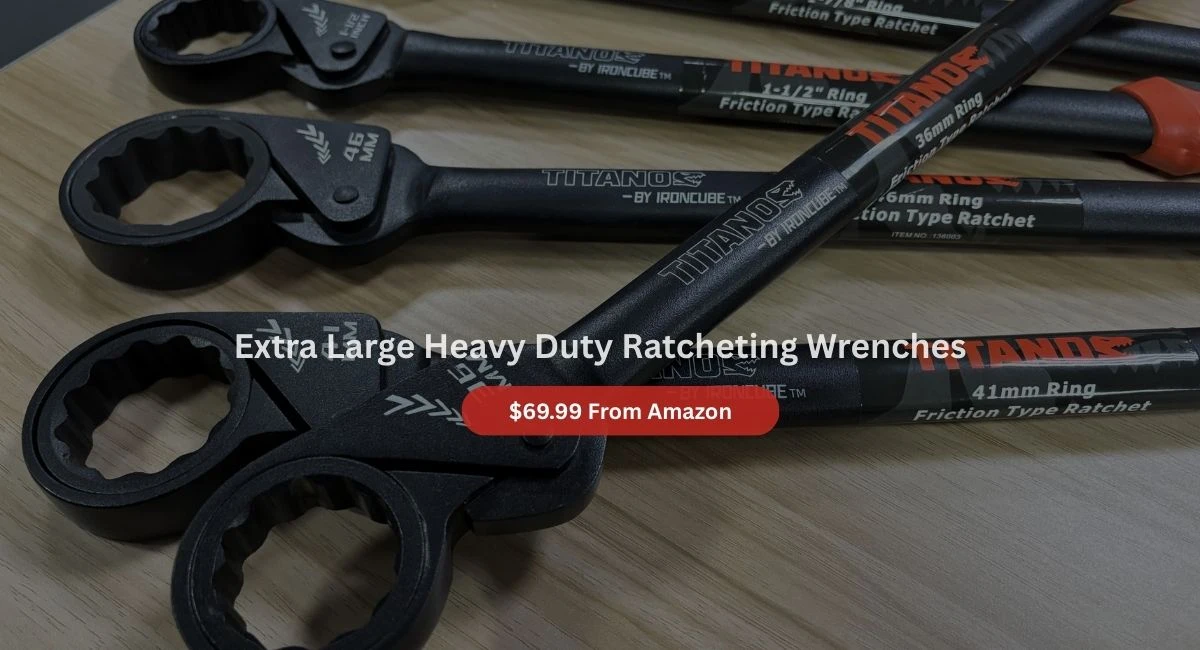
Furthermore, availability is often an issue with large tools. Many local auto parts stores stock small sizes but rarely carry anything above 25mm. IronCube solves this by offering a robust online selection. You can even find their products on major platforms, such as their listing on Amazon, making it convenient to get the tools you need quickly.
Brake Line and Flare Nut Wrenches
While searching for a large ratcheting wrench set, you might encounter specialized shapes. One common specialized tool is the flare nut wrench, often used for brake lines and hydraulic fittings. These wrenches have a “u-shaped” opening that grips five sides of a hex nut rather than two. This design prevents rounding off soft brass or aluminum fittings.
Standard flare nut wrenches can be slow to use. However, a ratcheting flare nut wrench combines the grip of a flare wrench with the speed of a ratchet. If your work involves hydraulic lines on heavy equipment, adding a best ratcheting brake line wrench to your collection is a smart move.
Another specialized option is the extra-long wrench. If you are constantly fighting for leverage, an extra long ratcheting wrench set eliminates the need for pipe extensions. Using a pipe over a wrench handle is dangerous and voids warranties, but an extra-long handle is engineered to handle that specific leverage safely.
Maintenance Tips for Your Large Ratcheting Wrench Set
Investing in a high-quality large ratcheting wrench set is only the first step. To ensure these tools last a lifetime, proper maintenance is required. Large wrenches often face harsher environments—mud, grease, and chemicals—than standard shop tools.
First, always clean your wrenches after use. A simple wipe-down with a rag removes abrasive grit that can wear down the ratchet mechanism over time. For a deeper clean, you can use a solvent to remove caked-on grease, but be sure to apply a light machine oil afterward. The ratchet gears need lubrication to function smoothly.
Second, inspect your tools regularly for cracks or wear. The box end of a large wrench undergoes tremendous stress. If you notice the jaws starting to spread or the ratchet mechanism skipping teeth, it is time to replace that specific tool. Continuing to use a damaged wrench can lead to injury. If you are looking to replace or expand your collection, check out this large ratcheting wrench set for your shop which offers excellent durability.
Finally, store them properly. A messy toolbox where heavy tools bang against each other can damage the precision ratchet mechanisms. A wrench rack or a designated drawer liner will keep your large ratcheting wrench set organized and protected.
Summary
Choosing the right tools is the foundation of efficient work. When you need to tackle heavy-duty fasteners, a standard tool kit simply will not suffice. A large ratcheting wrench set provides the necessary leverage, speed, and durability to handle massive nuts and bolts found in truck repair, industrial maintenance, and heavy equipment servicing. By considering factors like tooth count, material quality, and the specific types of wrenches—such as friction or extra-long models—you can build a collection that stands the test of time.
Do not let a lack of the right tool slow you down. Upgrade your shop with a specialized set from IronCube Works. Whether you need a single large heavy duty ratcheting wrench or a comprehensive kit, the right choice today will save you hours of frustration tomorrow.
FAQs
1. What is a Large Ratcheting Wrench Set used for?
A Large Ratcheting Wrench Set is primarily used for tightening or loosening oversized bolts in heavy machinery, automotive systems, and construction equipment.
2. How do I choose the right Large Ratcheting Wrench Set size?
Selecting the correct Large Ratcheting Wrench Set depends on the fastener sizes you frequently encounter and the torque requirements of your work.
3. Are friction ratcheting tools better than standard ratcheting wrenches?
In many cases, friction designs within a Large Ratcheting Wrench Set provide improved grip and torque precision compared to traditional mechanisms.
4. Can a Large Ratcheting Wrench Set improve work efficiency?
Yes, using a Large Ratcheting Wrench Set reduces repositioning time and improves productivity in repetitive fastening tasks.
5. How should I maintain my Large Ratcheting Wrench Set?
Regular cleaning, lubrication, and proper storage help preserve the performance of your Large Ratcheting Wrench Set.