
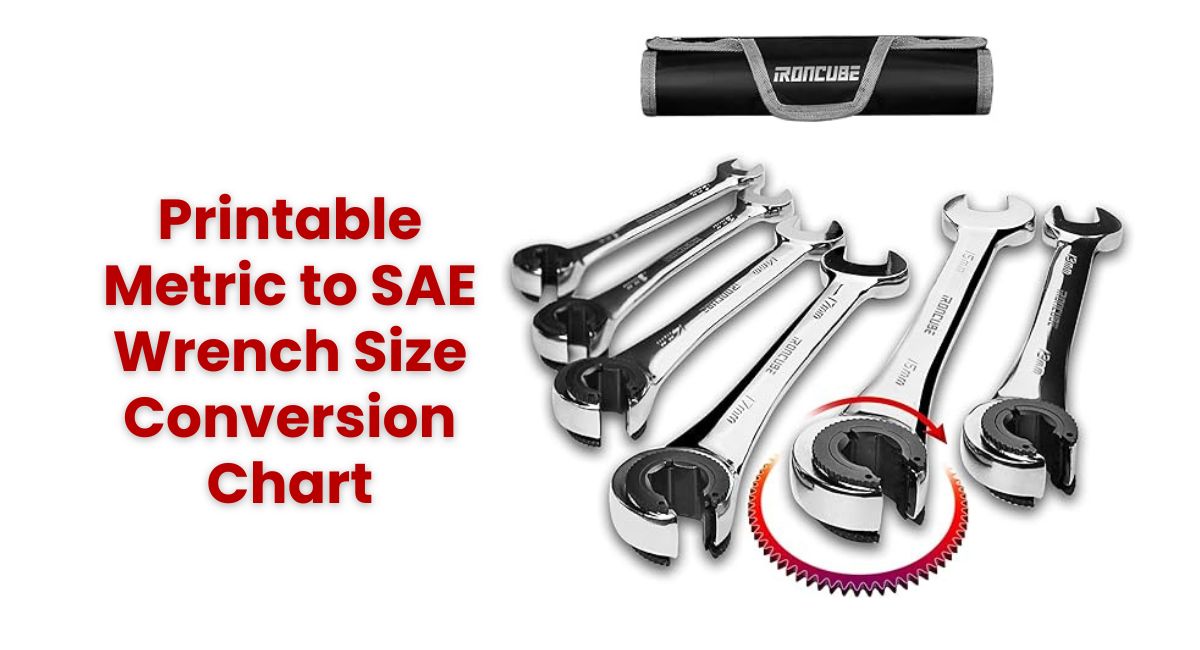
Wrench sizes is fundamental for anyone working in mechanical, automotive, plumbing, or general DIY projects. The challenge often arises when you have tools or fasteners measured in different standards: Metric and SAE (Society of Automotive Engineers). This comprehensive guide to Metric to SAE Wrench conversion provides an easy-to-use, printable chart, detailed explanations of both sizing systems, and practical tips for effective use. This content is designed to help professionals and enthusiasts find the right wrench size with confidence, avoiding mismatches and tool damage. This blog is brought to you by Ironcube Works, your trusted source for wrench tools and hardware.
Understanding Metric and SAE Wrench Sizes
The terms Metric and SAE refer to two distinct measurement systems used worldwide to size wrenches and fasteners.
Metric Wrench Sizes are based on millimeters (mm), reflecting the width across the flats (WAF) of a bolt or nut. This system is widely used globally, particularly in countries using the International System of Units (SI).
SAE (Imperial) Wrench Sizes are based on inches and fractions thereof, commonly used in the United States, Canada, and some other countries following Imperial measurement conventions.
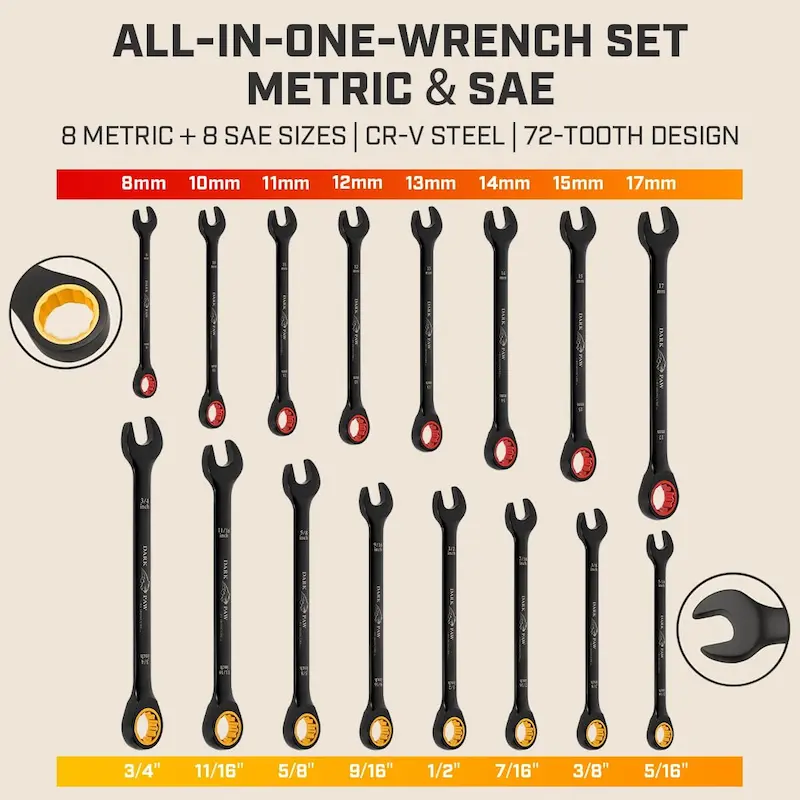
The practical difference between these two systems in everyday use is that metric sizes vary in increments of 1mm or 0.5mm, while SAE sizes change in fractions of an inch, such as 1/4”, 5/16”, and 3/8”. It is crucial to match the wrench exactly to the nut or bolt size to ensure a secure grip and prevent rounding off fasteners.
Why You Need a Metric to SAE Wrench Conversion Chart
When you come across bolts or nuts in a size not labeled in the toolset you have, a metric to SAE wrench conversion chart helps you quickly identify the closest matching size. Having a printable conversion chart handy saves time and delays during projects, avoiding forced fits or use of incorrect wrenches that may cause wear or injury.
Moreover, professionals who travel or work internationally will find this chart invaluable for ensuring their wrench collections cover all common sizes used worldwide. At Ironcube Works, you can find both metric and SAE wrenches tailored to precise standards, helping you avoid confusion.
Printable Metric to SAE Wrench Size Conversion Chart
SAE to Metric Conversion Chart
Below is a detailed SAE to Metric conversion chart, including both inch and millimeter measurements for common wrench sizes. This chart is designed to help you quickly find the closest equivalent size when working with tools or fasteners measured in different systems.
| SAE (Inches) | Metric (mm) | Inch Equivalent |
|---|---|---|
| 5/32″ | 4mm | 0.156 |
| 3/16″ | 4.5mm | 0.188 |
| 7/32″ | 5mm | 0.219 |
| 1/4″ | 6mm | 0.25 |
| 9/32″ | 7mm | 0.281 |
| 5/16″ | 8mm | 0.313 |
| 11/32″ | 9mm | 0.344 |
| 3/8″ | 10mm | 0.375 |
| 7/16″ | 11mm | 0.438 |
| 1/2″ | 12mm | 0.5 |
| 9/16″ | 14mm | 0.563 |
| 5/8″ | 16mm | 0.625 |
| 11/16″ | 17mm | 0.688 |
| 3/4″ | 19mm | 0.75 |
| 13/16″ | 21mm | 0.813 |
| 7/8″ | 22mm | 0.875 |
| 15/16″ | 24mm | 0.938 |
| 1″ | 25mm | 1.0 |
You can print this chart for quick reference during tool selection. For more on how to use wrench sizes, including real-world applications, visit our detailed guide.
How to Choose the Right Wrench Size Between Metric and SAE
Choosing the correct wrench size involves more than just matching numbers. Here are detailed factors to consider:
1. Precise Fit Over Force: Always pick a wrench size that fits snugly without forcing. A too-small wrench will slip and damage bolt edges. A too-large wrench can round nuts, making removal difficult.
2. Use the Correct System: If the bolt is metric, use a metric wrench. If it’s SAE, use SAE. Although some sizes are close, slight discrepancies can cause problems.
3. Consider Tolerances: SAE fasteners often allow more play than metric ones. If you must substitute, choose the SAE size just larger than the metric size rather than smaller.
4. Be Wary of Mixed Hardware: In older vehicles or equipment, some bolts may be metric and others SAE in the same assembly. Label accordingly or organize tools by size system.
5. Specialty Wrenches: For tight spaces, consider ratcheting wrenches or thin-profile wrenches, sold in both metric and SAE sizes.
Ironcube Works offers a full range of wrenches suitable for all needs. Check our collection here: Wrench Collection.
Conversion Tips and Practical Advice
Understanding Fractional Inches and Millimeters Conversion
One inch equals exactly 25.4 millimeters. To convert millimeters to inches:
This formula helps find approximate equivalents when a perfect match is unavailable.
Inches=25.4 / Millimeters
To convert inches to millimeters:
Millimeters=Inches×25.4
This formula helps find approximate equivalents when a perfect match is unavailable.
Testing Fitment
Always test wrench fit on the fastener before applying torque.
For sockets, use adapters designed for cross-measurement if necessary.
Avoid excessive force or impact to prevent tool and fastener damage.
Maintaining Your Wrench Set
Proper maintenance, including cleaning and lubrication, extends wrench life and preserves fit precision. Customized wrench sets are available at Ironcube Customized Solutions.
Benefits of Using a Conversion Chart
Efficiency: Find the closest match quickly.
Accuracy: Prevent tool and fastener damage.
Versatility: Prepare better for mixed hardware environments.
Cost Saving: Avoid purchasing excessive tool sizes unnecessarily.
Tools like ratcheting wrench sets with flex heads offer flexibility, reducing the need for multiple sizes and simplifying projects.
Real-World Scenarios Where Conversion Charts Matter
Let’s be honest—this isn’t just about numbers. It’s about time and frustration saved.
Automotive Repairs: American trucks often use SAE bolts, but imported cars (like Toyota, Honda, BMW) stick to metric. Switching between them is a headache without a chart.
Plumbing Jobs: Fixtures often mix sizes, especially if imported. A wrong fit can mean leaks.
HVAC Maintenance: Tight fittings in refrigeration and brake lines benefit from thin wrenches—check thin wrench size guide.
DIY Home Projects: Whether assembling IKEA furniture (metric) or repairing U.S.-made garden tools (SAE), a chart prevents trial and error.
Summary
This Printable Metric to SAE Wrench Conversion Chart guide empowers you to correctly select wrenches for any job, whether dealing with metric or SAE fasteners. Understanding the fundamental differences between these sizing systems and using our easily accessible printable chart will improve your project efficiency, reduce tool and fastener wear, and help maintain professional accuracy.
To explore our full wrench inventory or learn more about wrench types and uses, visit Ironcube Works. For continued tips, product updates, and tutorials, check out the Ironcube YouTube Channel.
FAQs
What is the difference between Metric and SAE wrenches?
Metric wrenches measure in millimeters and fit fasteners with metric dimensions, while SAE wrenches measure in inches/fractions and fit Imperial-sized fasteners.
Can I use a SAE wrench on a metric bolt?
You can only use an SAE wrench if the sizes are very close, but it is not recommended due to risk of rounding bolts or slipping.
How do I convert metric sizes to SAE inches?
Divide the millimeter measurement by 25.4 to get inches, then find the closest standard SAE fraction.
What size wrench do I need for a 10mm bolt?
A 10mm metric wrench matches closest to a 3/8 inch SAE wrench.
Are ratcheting wrenches available in both systems?
Yes, ratcheting wrenches come in metric and SAE sizes. See detailed benefits at Ratcheting Wrench Benefits.