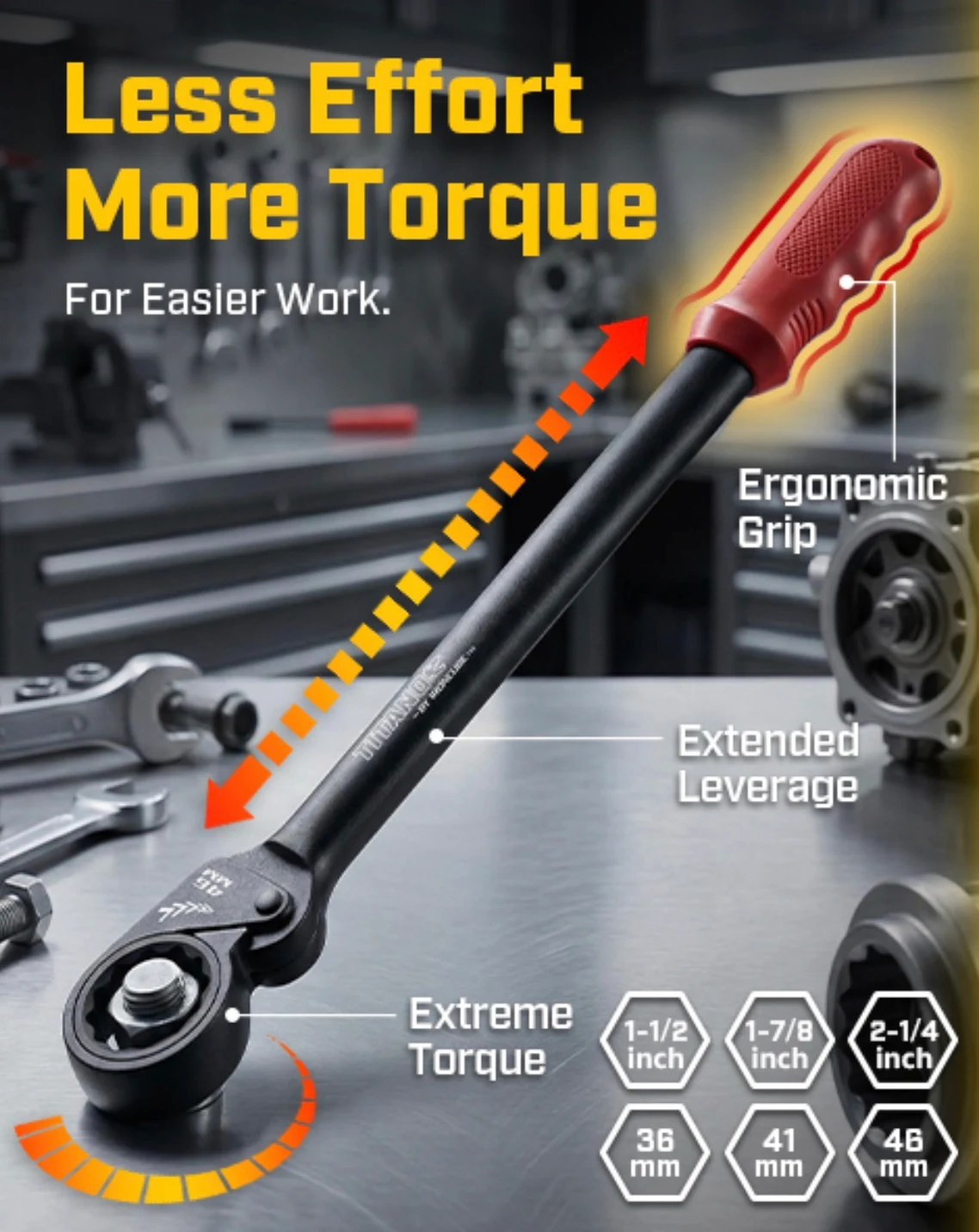
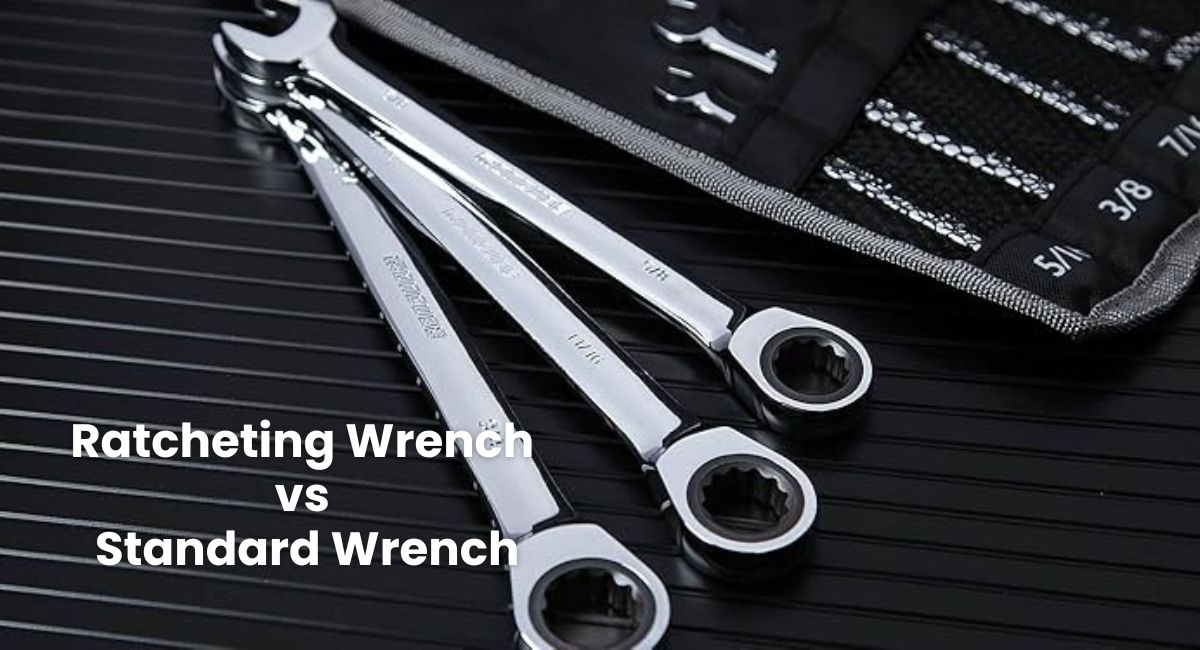
In the world of mechanics, DIY enthusiasts, and professional tradespeople, the choice of tools can significantly impact efficiency, precision, and even safety. Among the most fundamental and frequently used hand tools are wrenches, indispensable for tightening or loosening fasteners. However, within the broad category of wrenches, a perennial debate often arises: ratcheting wrench vs. standard wrench. Both serve the same core purpose, yet their designs, mechanisms, and optimal applications differ considerably. Understanding these distinctions is not merely a matter of preference; it’s about equipping yourself with the right tool for the right job, maximizing productivity, and achieving superior results.
This comprehensive guide from IronCube Works delves deep into the characteristics, advantages, and limitations of both ratcheting and standard wrenches, helping you navigate this crucial decision. We will explore their mechanics, compare their performance in various scenarios, and ultimately determine when each type truly wins in the workshop or on the job site. Whether you’re a seasoned professional or just starting to build your toolkit, this article will provide the insights you need to make informed choices and elevate your craftsmanship.
Understanding the Basics of Wrenches
Before diving into the ratcheting wrench vs standard wrench debate, it’s helpful to understand what makes these tools part of the same family yet so different in design and function. According to Wikipedia’s guide on wrenches, a wrench (also called a spanner) is a tool used to provide grip and mechanical advantage in applying torque to turn objects, usually rotary fasteners like nuts and bolts.
What is a ratcheting wrench?
A ratcheting wrench is a specialized tool designed to tighten or loosen fasteners without needing to remove the tool after each turn. It features a ratcheting mechanism that allows the user to turn the fastener continuously by moving the wrench back and forth in a small arc. This design makes it highly efficient for repetitive tasks and working in tight spaces.
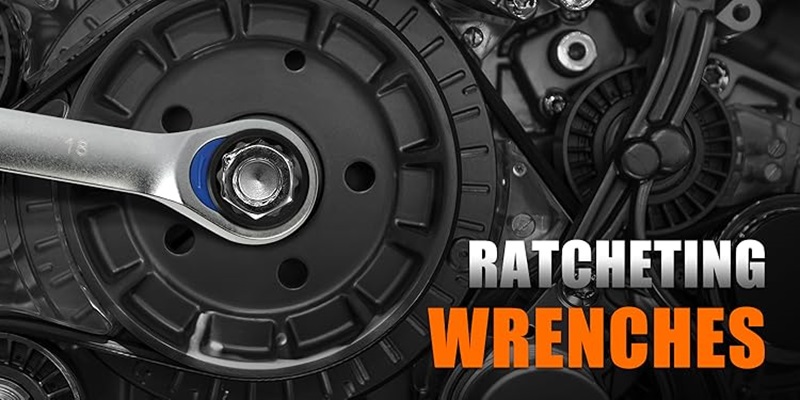
If you’re new to ratcheting wrenches, check out our detailed guide on What is a Ratcheting Wrench? to learn more about its mechanics and benefits.
What is a standard wrench?
A standard wrench, also known as a traditional wrench or open-end wrench, is a simple tool with a fixed head that fits over a fastener. It requires the user to lift and reposition the wrench after each turn, making it less efficient for repetitive tasks but highly effective for high-torque applications where precision is less critical.
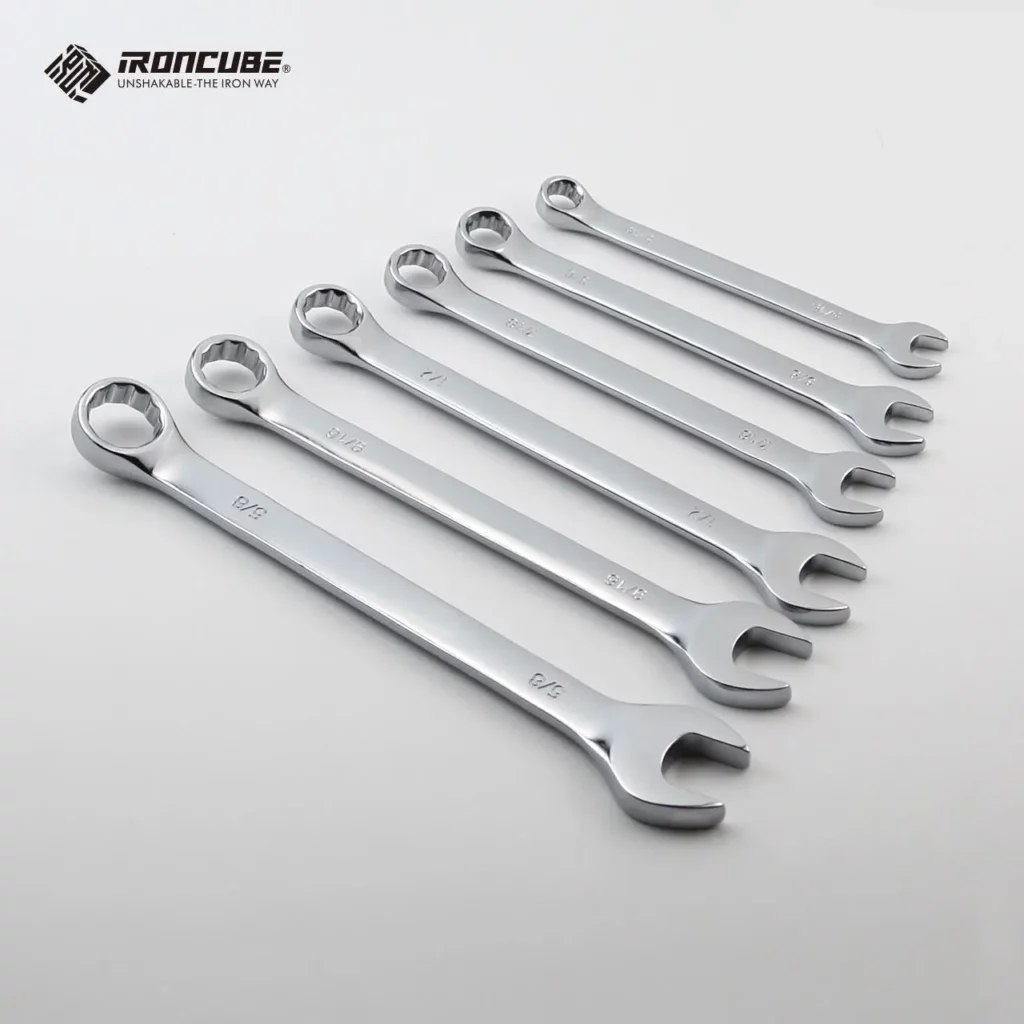
For a comprehensive list of wrench types, including standard wrenches, visit our guide on 32 Types of Wrenches and How to Choose.
Ratcheting Wrench vs Standard Wrench: Key Differences
Both tools have their place, but the differences lie in design, efficiency, torque, and cost. Let’s explore these side by side:
| Feature | Ratcheting Wrench | Standard Wrench |
|---|---|---|
| Design | Includes a ratcheting mechanism in the box end, often with flex-head options | Simple, open, or box end without ratcheting parts |
| Efficiency | Speeds up work, especially in tight spaces with small swing arcs (5°) | Requires repositioning, usually a larger swing arc (30°) |
| Torque | Less torque strength due to the moving mechanism | Higher torque application, better grip, and leverage |
| Applications | Ideal for repetitive tasks, automotive, mechanical, and confined areas | Best for high-torque, straightforward, or occasional jobs |
| Cost | Higher due to advanced design | More budget-friendly and durable |
| Durability | The mechanism can wear with heavy use | Extremely durable with fewer moving parts |
This quick comparison already shows why there’s no “one-size-fits-all” answer in the ratcheting wrench vs. standard wrench debate.
When a Ratcheting Wrench Wins
A ratcheting wrench isn’t just a tool—it’s a time saver. It proves its worth in scenarios where efficiency is crucial.
Tight, Awkward Spaces—When working under the hood of a car or in a cramped machine, space is limited. Ratcheting wrenches with their smaller swing arc (as little as 5°) outperform standard wrenches, which typically need a 30° arc to reposition.
Repetitive Tasks – Mechanics often deal with rows of bolts. Constantly lifting and repositioning a standard wrench can be exhausting. A ratcheting wrench eliminates that, letting you spin bolts quickly without breaking rhythm.
Mechanical and Automotive Applications—Professionals know speed equals money. In automotive repair, HVAC maintenance, and machinery assembly, a ratcheting wrench saves precious minutes on every job.
Flex-Head Models – A game-changer is the flex-head ratcheting wrench, which pivots to reach even harder angles. Ironcube has a detailed guide on the benefits and uses of ratcheting wrench sets with flex heads for those who want maximum versatility.
For those interested in getting a solid set, check out the Ironcube 12pcs Tough Series Metric Ratcheting Wrench Set with Rolling Pouch—a perfect choice for professionals and serious DIYers.
When a Standard Wrench Wins
The standard wrench is far from obsolete. It remains the go-to choice in many scenarios where brute force, simplicity, and budget are key considerations.
High-Torque Applications – Because there’s no ratcheting mechanism, a standard wrench delivers stronger torque and withstands more force. For tasks like loosening rusty bolts, this is your weapon of choice.
Simpler, Straightforward Jobs – Not every job needs high-tech tools. For a single bolt or a fastener in plain sight, a basic standard wrench gets the job done without fuss.
When a Large Swing Arc is Needed – If there’s plenty of room to maneuver, the longer strokes of a standard wrench can make work faster and more powerful.
Budget and Simplicity – Standard wrenches are affordable, durable, and require no special maintenance. For occasional users or those just starting their tool collection, this is often the smarter buy.
You can browse a variety of wrenches in Ironcube’s store to find both standard and ratcheting options.
Which Wrench Should You Buy?
When it comes to ratcheting wrench vs standard wrench, your choice boils down to the type of work you do.
If you’re a mechanic, technician, or DIY enthusiast working in tight spaces and value speed, invest in a ratcheting wrench set.
If your jobs demand high torque and simple durability, stick with a standard wrench set.
For a complete toolkit, most professionals recommend owning both types.
Ironcube even offers customized tool solutions if you need a wrench set tailored to your specific industry or workflow.
Applications in Automotive, DIY, and Industrial Work
Automotive Work – Ratcheting wrenches are the king of engine bays, suspension systems, and underbody work. Standard wrenches still dominate for exhaust bolts and other high-torque areas.
DIY and Home Repair – Hanging shelves, assembling furniture, or fixing bikes? A standard wrench is often enough. But for home mechanics, a ratcheting set quickly becomes indispensable.
Industrial and Mechanical Applications—In factories and professional maintenance, speed and efficiency are critical. Ratcheting wrenches save hours in large assembly projects.
Want to see these tools in action? Check out Ironcube’s YouTube channel for real-world demonstrations.
Where to Buy Reliable Wrenches
Finding the right wrench isn’t just about type—it’s about quality. Low-quality ratcheting wrenches can fail under stress, while poorly made standard wrenches can round off fasteners.
Explore Ironcube’s main store for premium tools.
Check out Ironcube’s Amazon storefront for verified sets and reviews.
For a broader range, visit this Amazon wrench store.
And if you’re unsure what set fits your needs, don’t hesitate to reach out via Ironcube’s contact page.
Conclusion
Both types of wrenches have distinct strengths that cater to different tasks and working environments. The ratcheting wrench provides unbeatable efficiency, especially in tight spaces and repetitive turning tasks, making it a must-have for mechanics and assembly line workers. Meanwhile, the standard wrench remains the top choice for high-torque applications and basic jobs where strength and simplicity are paramount.
By understanding these differences and using the right wrench for the right job, you can improve your productivity, reduce frustration, and protect your tools’ longevity.
To explore high-quality, precision-engineered wrenches for all your needs, visit IroncubeWorks.com and join the community of professionals who choose reliable tools every day.
FAQs
What is the main advantage of a ratcheting wrench over a standard one?
The ratcheting mechanism enables continuous turning with a minimal 5-degree swing, reducing time in confined areas by up to 70% for repetitive tasks.
Can a standard wrench handle high-torque jobs better than a ratcheting one?
Yes, its slim design and direct leverage provide superior grip for 200+ ft-lbs without the flex of internal gears.
Are ratcheting wrenches worth the extra cost?
For frequent use in automotive or mechanical work, absolutely—they pay off in time savings. For occasional DIY, stick to standards.
How do I maintain a ratcheting wrench’s mechanism?
Clean and lubricate the ratchet teeth every few months to prevent pawl wear. Avoid over-torquing to prevent damage.
Which is better for beginners: a ratcheting or a standard wrench?
Start with a standard for its simplicity, then add ratcheting as skills grow for more complex projects.