Starting your journey into the world of tools? Great choice! Every craftsman, mechanic, and DIY enthusiast knows one golden truth: a solid tool kit begins with the right set of wrenches. Whether you’re fixing a leaky pipe, tightening bolts on your bike, or diving into your first home project, knowing your way around the Tool Kit: 12 Wrenches is your first step toward mastery.
In this complete guide, we’ll explore the first 12 wrenches you’ll actually use as a beginner. You’ll learn what they do, when to use them, and why they’re essential. Plus, we’ll share where to get premium-quality tools from trusted sources like IronCube Works—a brand known for reliability, precision, and innovation.
Understanding the Basics of Wrenches: A Beginner’s Primer
Before we jump into the specifics of your tool kit: 12 wrenches, let’s level the playing field. Wrenches, often called spanners in some regions, are hand tools engineered to apply torque to turn objects like nuts and bolts. The word “wrench” derives from the Old English “wrenċan,” meaning to twist—fitting, right? Modern wrenches trace their roots to the Industrial Revolution, when innovators like Solomon Merrick patented the first adjustable model in 1835, revolutionizing manual labor.
For beginners, grasping the two primary sizing systems is crucial: SAE (Society of Automotive Engineers), which uses inches (common in the U.S. for automotive work), and Metric, measured in millimeters (standard for most international tools and European cars). Mixing them up can lead to stripped bolts or frustration, so always double-check your project’s specs.
Key features to look for in any wrench include:
- Material: High-carbon steel or chrome-vanadium for rust resistance and strength—avoid cheap alloys that bend under pressure.
- Grip Design: Open-end for quick access, box-end for full encirclement to prevent slipping.
- Finish: Polished chrome for easy cleaning or black phosphate for corrosion resistance in wet environments.
Studies from the American Society of Mechanical Engineers (ASME) emphasize that ergonomic designs, like offset handles, reduce hand fatigue by up to 25% during extended use. When building your tool kit: 12 wrenches, prioritize sets that include both SAE and metric options to cover 95% of household and garage tasks, per data from Lowe’s Wrench Buying Guide.
Safety first: Always wear gloves to protect against pinch points, and use the right size to avoid rounding off fasteners—a common rookie mistake that can turn a simple fix into a costly replacement. With these fundamentals in mind, you’re ready to explore the 12 wrenches that will form the backbone of your beginner’s setup.
Why Wrenches Are Essential in Every Tool Kit
Wrenches are designed to grip, turn, and tighten bolts, nuts, and other fasteners. They come in various shapes, sizes, and types, each suited for specific tasks. From household repairs to automotive maintenance, wrenches are versatile tools that every beginner should have.
At Iron Cube Works, we specialize in high-quality tools that cater to both beginners and professionals. Our wrench collection is designed to meet your every need, ensuring durability and precision.
The First 12 Wrenches to Include in Your Tool Kit
When building your tool kit, focus on a balanced set of sizes and types that cover most household and automotive tasks. The following are the must-have wrenches for beginners:
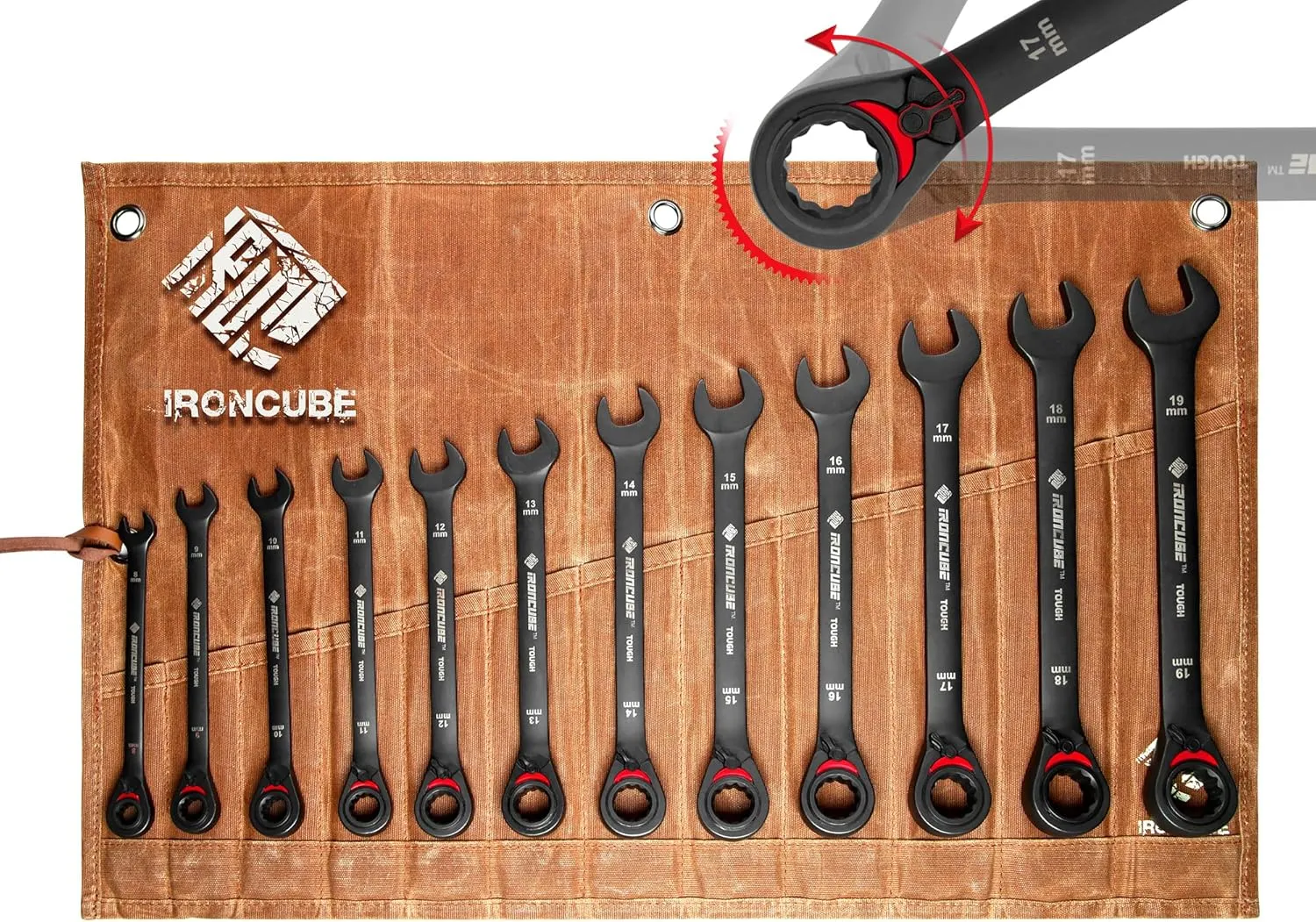
1. Combination Wrench (Sizes: 8mm to 19mm)
A combination wrench features an open-end wrench on one side and a box-end on the other. This design allows versatility—use the open end for quick turning and the box end for firm gripping without slipping. Sizes between 8mm and 19mm cover the most common bolt sizes.
2. Adjustable Wrench (6-inch or 8-inch)
The adjustable wrench has a movable jaw that fits various bolt sizes, making it a flexible tool for different jobs. It’s essential for beginners who want a single wrench solution for multiple fasteners.
3. Ratcheting Wrench Set (8mm to 19mm)
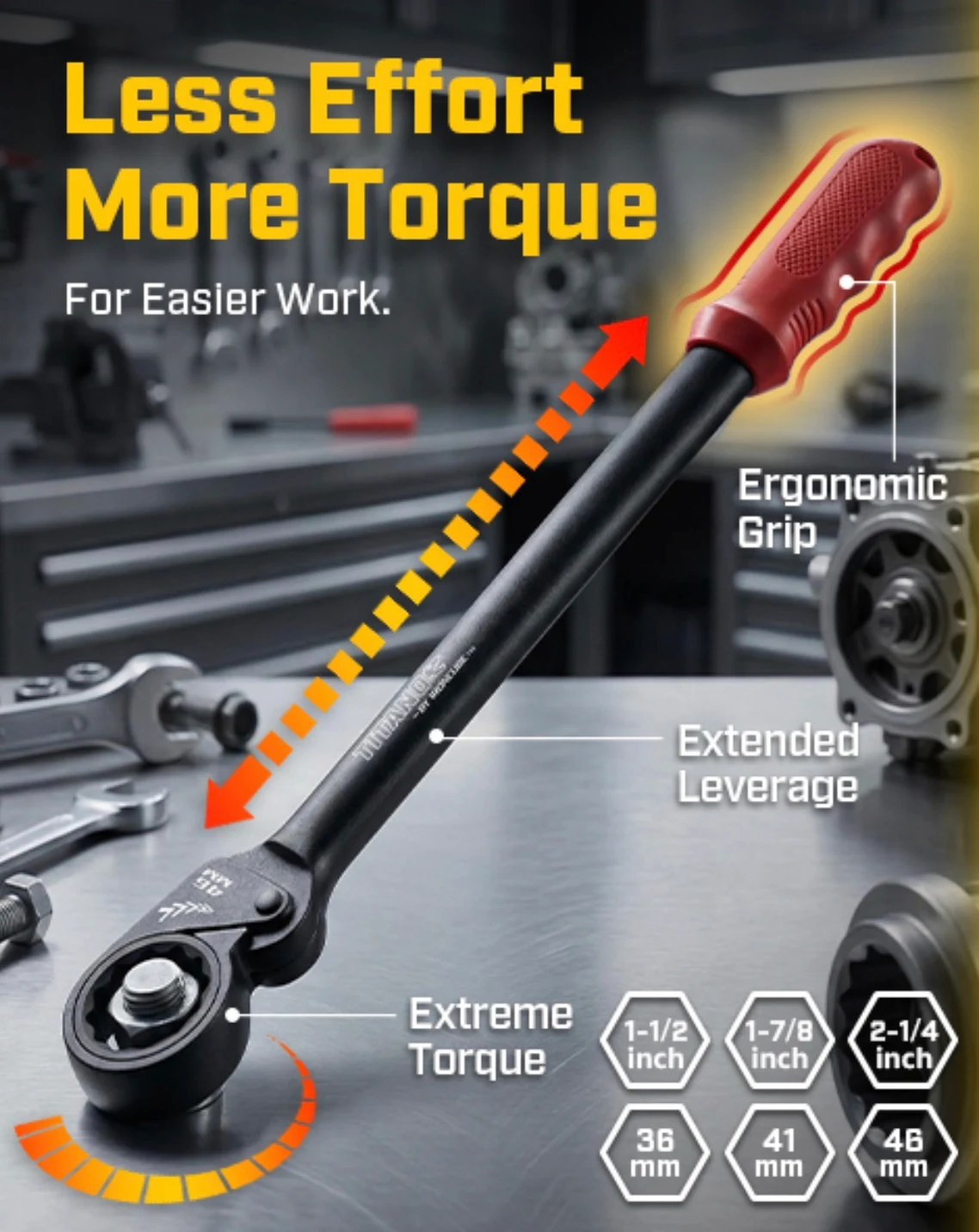
Ratcheting wrenches speed up work by allowing continuous turning without repositioning the tool. They save time and effort and are highly recommended for tighter spaces in automotive or machinery repairs. Flexible head ratcheting sets are ideal.
4. Open-End Wrench (Various Sizes)
Open-end wrenches allow quick application and removal of nuts and bolts, excellent for straightforward torque jobs with accessible fasteners.
5. Box-End Wrench (Common Sizes)
Box-end wrenches encircle the bolt head fully, reducing the risk of rounding off the fastener. They provide better torque and grip on stubborn bolts.
6. Allen Wrenches (Hex Keys) Set
Allen wrenches are necessary for hexagonal socket bolts, commonly found on furniture, bicycles, and machinery. Carrying a set with metric sizes from 2mm to 10mm or equivalent SAE sizes is essential.
7. Pipe Wrench (10-inch for plumbing jobs)
Pipe wrenches grip round pipes and fittings, making them indispensable for plumbing or working with large, rounded fasteners.
8. Torque Wrench (Seat for precise tightening)
Though more advanced, a torque wrench ensures bolts are tightened to manufacturer specifications, crucial in automotive assembly and machinery.
9. Flare Nut Wrench
Specialized for gripping nuts on brake lines and hydraulic fittings, these wrenches provide extra grip without damaging soft fittings.
10. Crowfoot Wrench
Great for hard-to-reach areas, crowfoot wrenches attach to ratchets and break loose tight bolts in confined spaces.
11. Stubby Wrench
This compact wrench is easier to use in tight or confined spaces where regular wrenches are difficult to maneuver.
12. Strap Wrench
Designed for fragile or smooth surfaces, strap wrenches use a rubber or fabric strap to grip and turn without damage — perfect for oil filters or glass components.
Wrench Size Conversion Chart (Metric to Standard)
Knowing how metric and standard (SAE) wrench sizes correlate is crucial when working with fasteners from different origins. The following chart helps convert metric sizes to their closest standard equivalents. This guide assists beginners in selecting the right wrench when only one measurement system is available.
| Metric Size (mm) | Closest Standard Size | Decimal Equivalent (inches) | Difference |
|---|---|---|---|
| 6 mm | 7/32″ | 0.219″ | -0.017″ |
| 7 mm | 1/4″ | 0.250″ | -0.025″ |
| 8 mm | 5/16″ | 0.313″ | -0.002″ |
| 9 mm | 11/32″ | 0.344″ | -0.010″ |
| 10 mm | 3/8″ | 0.375″ | -0.019″ |
| 11 mm | 7/16″ | 0.438″ | -0.005″ |
| 12 mm | 15/32″ | 0.469″ | +0.003″ |
| 13 mm | 1/2″ | 0.500″ | -0.012″ |
| 14 mm | 9/16″ | 0.563″ | -0.012″ |
| 15 mm | 19/32″ | 0.594″ | +0.003″ |
| 16 mm | 5/8″ | 0.625″ | -0.005″ |
| 17 mm | 21/32″ | 0.656″ | +0.013″ |
| 18 mm | 11/16″ | 0.688″ | +0.021″ |
| 19 mm | 3/4″ | 0.750″ | -0.002″ |
Important Notes: Sizes with differences under ±0.005″ are often interchangeable source on wrench conversion, and can be used when precision is not critical.
Choosing the Right Wrench Material and Quality
Quality wrenches usually come made from alloy steel treated to resist wear and corrosion—key for tool longevity. Look for polished chrome or a satin finish for rust resistance. Investing in premium wrench sets offers tighter tolerances and a better fit, reducing damage to fasteners and improving tool performance.
How to Use Each Wrench Type Properly
Each wrench type has a designed use:
Combination wrenches: Use the open end for quick turns, the box end for stubborn fasteners.
Adjustable wrenches: Adjust the jaw snugly without over-tightening to avoid damaging bolts.
Ratcheting wrenches: Use in cramped spaces for continuous turning without needing to reposition.
Allen wrenches: Insert fully in hex sockets to avoid stripping.
Pipe wrenches: Use jaw teeth to grip pipes and turn fittings carefully.
Proper wrench use prevents fastener damage and tool slippage, increasing safety and efficiency.
Final Thoughts
Starting your Tool Kit: 12 Wrenches journey is like learning a new language—it might seem tricky at first, but soon, each tool will feel like an extension of your hand. Investing in quality wrenches from trusted makers such as IronCube Works will make every project easier, faster, and more satisfying.
Remember—whether you’re fixing, building, or creating, your tools should work as hard as you do. So, equip yourself with the right set, care for them, and they’ll last a lifetime.
For premium, reliable tools and accessories, visit IronCube Works today!
FAQs
Q1: What’s the difference between metric and SAE wrenches?
Metric wrenches measure in millimeters, while SAE uses inches. The difference matters depending on your hardware’s origin—U.S.-made products often use SAE, while international ones use metric.
Q2: How many wrenches should a beginner own?
Start with the 12 essential wrenches listed above. They’ll cover 90% of your DIY and repair needs.
Q3: Can I mix brands in my tool kit?
Absolutely! Just make sure they’re high-quality, preferably from trusted brands like IronCube Works.
Q4: How should I store my wrenches?
Use a canvas roll-up bag or tool chest to keep sizes organized and prevent damage.
Q5: What’s the best wrench for car maintenance?
A ratcheting combination wrench or socket wrench gives the best range and speed for automotive work.