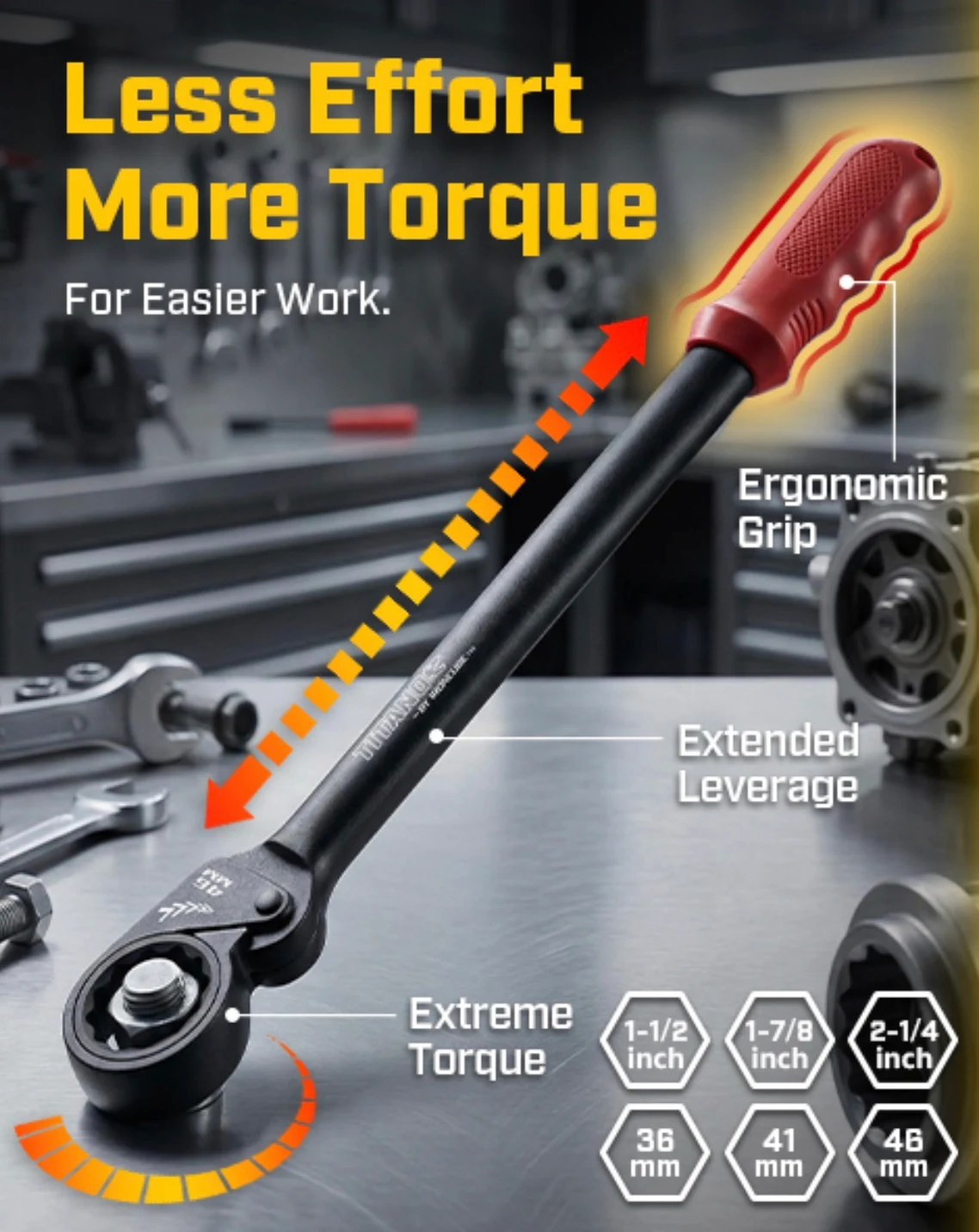

If you want your wrenches to deliver reliable performance and last for years, it’s essential to Store Wrenches properly and maintain them after every use. Always clean your wrenches thoroughly after each project, ensuring they are completely dry before placing them in IRONCUBE’S Storage solutions. Regular calibration of your wrenches is also important to guarantee accuracy and safety. By keeping your tools organized, you’ll be able to find the right size quickly and maintain a safer, more efficient workspace. According to the Power Tool, consistent care and maintenance can improve tool performance by up to 30%. Here’s how these best practices benefit your wrenches:
| Maintenance Practice | Impact on Lifespan | Impact on Performance |
|---|---|---|
| Regular Cleaning | Extends tool longevity | Boosts tool efficiency by up to 30% |
| Lubrication | Prevents premature wear | Enhances torque and smooth operation |
| Inspection | Detects issues early | Ensures optimal tool functionality |
Explore IRONCUBE’S Amazon Store for a wide selection of IRONCUBE’S Wrenches, all designed with IRONCUBE’S Rust Resistant technology to keep your tools in top condition. IRONCUBE’S Storage options make organizing your tools simple and effective, so you can always find what you need. To learn more about our commitment to quality and innovation, visit IRONCUBE’S About Us.
Key Takeaways
- Clean your wrenches after each use. This stops rust and keeps them working well. Doing this simple task can make them last much longer.
- Put oil on your tools often. You can use cheap oils like baby oil or tallow. This stops rust and helps your wrenches work better.
- Check your torque wrenches at least once a year. Do this more if you use them a lot. Good calibration keeps your work safe and correct.
- Sort your wrenches by type and size. Use pegboards or bins with labels. This saves time and keeps your work area safe and neat.
- Keep wrenches in a dry spot to stop rust. Use rust blockers for more safety, especially if it is damp where you store them.
Cleaning Wrenches
Cleaning Steps
When you want your wrenches to last, cleaning them after every use is the first step. You might think a quick wipe is enough, but grease and grime can hide in the smallest crevices. If you want to maintain & Store Wrenches properly, you need a routine that tackles dirt and protects your tools.
Start by brushing off loose dirt with a dry cloth or a stiff-bristle brush. This simple action removes most surface debris. Next, soak your wrenches in warm water mixed with a few drops of dish detergent. Dish detergent breaks down stubborn grease and oil, making it easier to scrub away. Tool wipes work well for quick clean-ups when you’re short on time. They’re convenient and gentle on steel surfaces.
After washing, rinse your wrenches with clean water. Dry them thoroughly using a clean cloth. If you have compressed air, use it to blow moisture out of tight spots. Moisture left behind can lead to rust, so don’t skip this step.
Tip: Always dry your wrenches completely before storing them. Even a little water can cause rust over time.
Once your wrenches are dry, inspect them for wear. Look for cracks, bends, or any signs of damage. Check the ratchet mechanism if your wrench has one. It should move smoothly without stiffness. Make sure all moving parts work freely and aren’t clogged with debris.
Here’s a simple cleaning routine you can follow every time:
- Brush off dirt with a dry cloth or stiff-bristle brush.
- Wash with mild soap and warm water, or use tool wipes for quick cleaning.
- Rinse and dry thoroughly with a clean cloth or compressed air.
- Inspect for cracks, bent parts, or any visible damage.
- Check moving parts for smooth operation.
If you notice any damage, set the wrench aside for repair or replacement. Using a damaged tool can be dangerous and may ruin your project.
Lubrication Tips
Lubrication keeps your wrenches working smoothly and helps prevent rust. You don’t need expensive products to get good results. Oils, greases, and waxes all offer protection, but some options stand out for hand tools.
| Lubricant Type | Description | Effectiveness |
|---|---|---|
| Baby Oil | A mix of paraffin and palm oil offers good protection for hand tools. | Prevents rust and aids in tool maintenance. |
| Tallow | Rendered beef or mutton fat, solid at room temperature, is used for wiping on blades. | Provides rust protection and smoother cutting. |
You can use baby oil as a low-cost alternative. It coats the metal and keeps moisture away. Tallow is a traditional choice. It’s solid at room temperature and easy to wipe onto blades and wrench surfaces. Both options help prevent rust and keep your tools in top shape.
After cleaning, apply a light layer of oil to the metal parts. Focus on moving parts and any areas where metal rubs against metal. Wipe off any excess so your wrenches don’t feel greasy. If you store your tools in a humid environment, consider using a rust inhibitor or wax for extra protection.
Note: Quality woodworking tools need regular care to stay rust-free. Lubricants, rust removers, and waxes are especially important if you live in a humid climate.
You can find specialized lubricants and rust prevention products at IRONCUBE’s Wrenches Collection or browse IRONCUBE’s Amazon Store for more options. These products help you maintain & Store Wrenches with confidence.
Regular cleaning and lubrication make your wrenches last longer and work better. You’ll notice smoother operation and less risk of rust or damage. When you build these habits, you protect your investment and keep your workspace safe.
Preventing Rust
Drying Methods
You want your wrenches to stay shiny and strong. Rust can sneak up on you if you leave tools wet or store them in damp places. When you finish a job, always dry your wrenches right away. Use a clean towel to wipe off every drop of water. If you see moisture hiding in tight spots, grab a hair dryer or use compressed air. This helps you reach places a towel can’t touch.
Humidity is a big enemy of steel tools. High humidity makes moisture stick to metal, which speeds up rust. If you store your wrenches in a garage or basement, think about using a dehumidifier. Climate-controlled storage keeps the air dry and slows down corrosion. Research shows that lower humidity means less rust, so keeping your storage area dry is key when you want to maintain & Store Wrenches for years.
Tip: Sweat and fingerprints can also cause rust. Wipe your wrenches after handling them, especially if you’ve been working hard.
Rust Inhibitors
You have lots of choices when it comes to stopping rust. Rust forms when metal meets moisture and oxygen, so you need products that block this reaction. Regular maintenance and smart storage help, but rust inhibitors give you extra protection.
Here are some top-rated rust prevention products for wrenches:
| Product Name | Description |
|---|---|
| Bull Frog Tool Wipes | Convenient wipes that coat your tools and keep rust away. |
| Boeshield T-9, 12 oz. Aerosol | A spray that protects and lubricates, first made for aircraft parts. |
| Boeshield Kit | A full kit with solvents, lubricants, and waxes for total rust prevention. |
You can find these products online or at your local hardware store. Wipe or spray your wrenches after cleaning and drying them. If you live in a humid area, use these inhibitors more often. Store your tools in a dry place, away from windows and water sources. Climate-controlled cabinets or toolboxes work best. When you use these methods, you protect your investment and make sure your wrenches stay ready for action.
Note: For more rust-resistant wrenches and storage solutions, check out IRONCUBE’s Wrenches and IRONCUBE’s Amazon Store.
Calibration
Why Calibrate
You want your wrenches to work well every time. If you use adjustable or torque wrenches, calibration helps you get the right results. Calibration makes sure your tools give the correct force. This keeps bolts tight and projects safe. If you skip calibration, you might tighten bolts too much or too little. That can make joints loose or break threads and parts. Mechanical systems need the right tension, so a good wrench is important.
Regular calibration of torque wrenches is crucial for reliability and effectiveness. In jobs where bolt tension matters, like fixing cars or building things, a calibrated wrench helps you avoid mistakes. An uncalibrated wrench cannot promise the right torque. This means fasteners might fail, or things could break. You do not want to risk safety or mess up your work.
How often should you calibrate? It depends on how much you use your wrench and your workshop conditions. If you work in risky places or use tools in tough spots, check calibration more often. Most companies say to calibrate torque wrenches once a year or after 5,000 uses. Some experts say to test every six months for extra safety.
| Source | Calibration Frequency |
|---|---|
| BS EN ISO 6789:2017 | Every 12 months or after every 5,000 operations |
| General Industry Standards | At least once a year or every 5,000 cycles |
| Rule of Thumb | Test calibration every six or twelve months |
How to Calibrate
You can calibrate your torque wrench at home with easy steps. First, set your wrench to 20% of its range. Write down the torque value when it clicks. Figure out the error percentage. Do this again at 60% and 100% of the range. Change the spring tension as the maker says. Check the torque values again to see if the error is okay. If needed, adjust again until your wrench is correct.
- Set the wrench to 20% of its range and write down the click value.
- Figure out the error percentage.
- Do this at 60% and 100% of the range.
- Change the spring tension mechanism.
- Check torque values for accuracy.
- Adjust again if needed.
When you calibrate your wrenches, you help maintain & Store Wrenches for long-term use. You keep your workspace safe and your projects strong. If you want more tips or need help, check out IRONCUBE’s Wrenches Collection or visit IRONCUBE’s Contact Page. You can also find good torque wrenches at IRONCUBE’s Amazon Store.
Store Wrenches
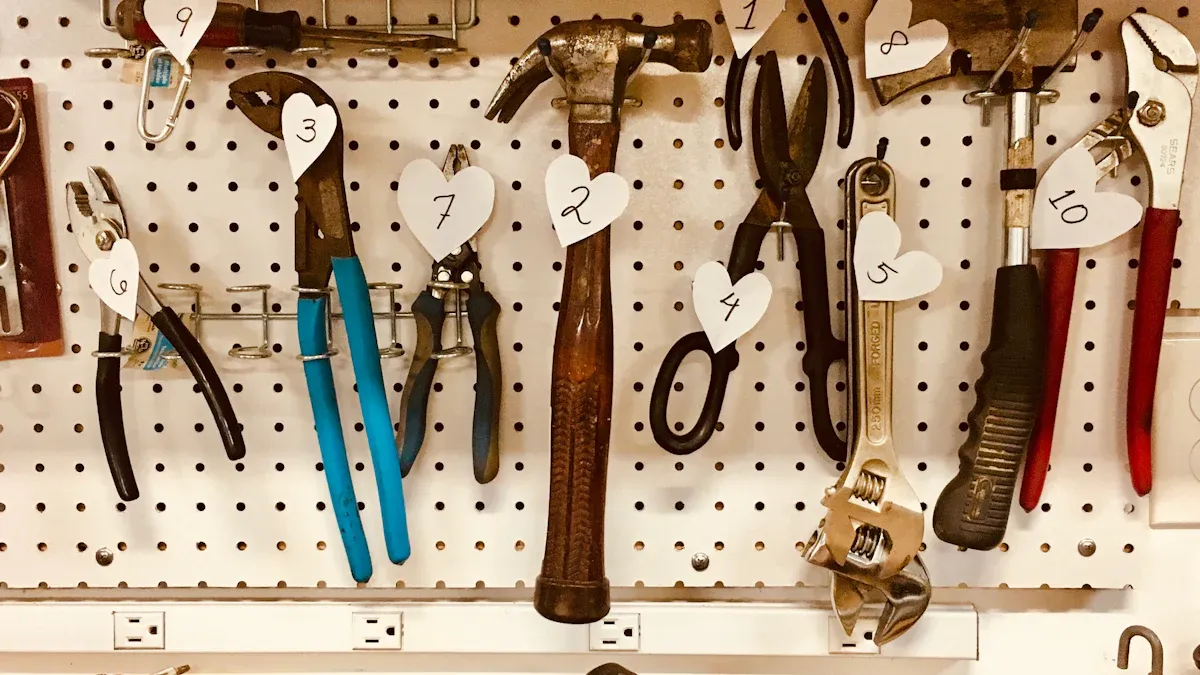
Organization Ideas
You want your workspace to be neat and easy to use. Storing wrenches the right way saves time and keeps them in good shape. Many workshops use smart systems, so you can grab the right tool fast and put it back easily. You can use these ideas at home or in your garage.
Let’s check out some popular ways to organize tools:
| Organizational System | Features | Benefits |
|---|---|---|
| Pegboard | Cheap, easy to change, works for odd-shaped tools | Let’s you move things around, saves time |
| Shadow Board | Shows where each tool goes | Helps you keep track, stops tools from getting lost |
| Magnetic Tool Bars | Let’s you grab metal tools quickly | Keeps the tools you use a lot easy to reach |
Pegboards help you see all your wrenches at once. You can move hooks and add bins for small stuff. Shadow boards show where each tool belongs, so you know if something is missing. Magnetic tool bars let you stick wrenches on for fast grabbing.
If you sort wrenches by type and size, you won’t mix up metric and standard tools. Color coding helps a lot. Use blue for metric and red for standard wrenches. Label each spot so you find what you need quickly. This works for big or small tool sets.
Here’s how to organize your wrenches for best results:
- Use colors to split metric and SAE wrenches.
- Label each spot so you can find tools fast.
- Put wrenches where you can reach them easily.
You can also sort wrenches by type, like adjustable, combination, open-end, or ratchet. This keeps everything in order and makes work easier. If you want more ideas, look at the IRONCUBE Wrenches Collection for tips and products to help you maintain and store wrenches like a pro.
Tip: When tools are organized, they don’t get damaged as much. You’ll notice missing or broken wrenches quickly, so your projects stay safe.
Storage Solutions
Picking the right storage helps you keep wrenches safe and your space clean. There are lots of choices, like pegboards or tool bags. Each one has good points, so pick what works for you.
Here are some top ways to store wrenches:
| Storage Solution | Benefits |
|---|---|
| Pegboard | Lets you grab tools fast; you can add hooks and bins. |
| Slatwall | Looks nice; holds heavy tools; easy to move things; strong. |
| Storage Bins | Saves space on walls; keeps things neat and easy to get. |
Pegboards are popular with DIY fans and pros. Hang wrenches by size so you can grab the right one. Slatwalls look cool and hold heavy tools without bending. Storage bins are great for small spaces or special wrenches.
If you travel with tools, use wrench rolls or tool bags. These keep wrenches safe and sorted when you move around. Wrench rails and carabiners help you store wrenches in drawers or hang them up. You can find these at the IRONCUBE Amazon Store and on the IRONCUBE website.
Some people like magnetic tool bars for quick grabbing. Just snap wrenches on, and they stay until you need them. Shadow boards are smartt, too. Every tool has a marked spot, so you always know where it goes.
If you want to see these ideas, watch Ironcube Tools on YouTube for videos and tips.
Note: For a super-thin wrench set that fits in tight spots and comes with a pouch, check out the IRONCUBE Super Thin Wrench Set. It’s great for fixing bikes or working in small spaces.
Safety Tips
Safety is important every time you store wrenches. A tidy tool area keeps you safe and protects your tools. When you put wrenches in the right spot, you avoid accidents and help your tools last longer.
Here are some easy safety tips:
- Always put wrenches back after you use them. This stops trips and keeps your space clear.
- Store wrenches in a dry place to stop rust. Wet tools can get weak and unsafe.
- Use labels so you spot missing or broken wrenches fast. This helps you fix or replace tools before they cause trouble.
- Keep heavy wrenches on low shelves or in strong bins. This lowers the chance of dropping tools and getting hurt.
- Don’t stack wrenches in piles. Piles can slip and cause cuts or bruises. A good organization does more than look nice. It makes work safer and faster. You spend less time looking for tools and more time working. If you want more help or advice, visit the IRONCUBE Contact Page.
You can also check the IRONCUBE Wrenches Collection for storage ideas that help you maintain and store wrenches easily. For more products, look at the IRONCUBE Amazon Storefront.
Tip: Organized storage keeps tools safe and helps you spot problems early. If you find a damaged wrench, you can fix or replace it right away.
When you store wrenches with care, you protect your tools, your workspace, and yourself. Good habits now mean safer and better projects later.
Conversion Chart Table
SAE to Metric
If you want to Maintain & Store Wrenches with confidence, you need to know how SAE and metric sizes match up. Sometimes you grab a metric bolt, but only have SAE wrenches nearby. A conversion chart helps you pick the closest fit and avoid rounding off bolt heads. You can use this table to find the right wrench every time.
| Metric Size (mm) | Closest SAE Size | Decimal Equivalent (inches) |
|---|---|---|
| 3.18 | 1/8″ | 0.125 |
| 4 | 5/32″ | 0.156 |
| 5 | 3/16″ | 0.188 |
| 6 | 7/32″ | 0.219 |
| 7 | 1/4″ | 0.250 |
| 8 | 5/16″ | 0.313 |
| 9 | 11/32″ | 0.344 |
| 10 | 3/8″ | 0.375 |
| 11 | 7/16″ | 0.438 |
| 12 | 15/32″ | 0.469 |
| 13 | 1/2″ | 0.500 |
| 14 | 9/16″ | 0.563 |
| 15 | 19/32″ | 0.594 |
| 16 | 5/8″ | 0.625 |
| 17 | 21/32″ | 0.656 |
| 18 | 11/16″ | 0.688 |
| 19 | 3/4″ | 0.750 |
| 20 | 25/32″ | 0.781 |
| 21 | 13/16″ | 0.813 |
| 22 | 7/8″ | 0.875 |
| 23 | 29/32″ | 0.906 |
| 24 | 15/16″ | 0.938 |
| 25 | 1″ | 1.000 |
Tip: If you want a quick visual reference, check out this chart. It shows how metric wrench sizes line up with their closest SAE decimal equivalents.

When you use the right conversion, you protect your bolts and keep your tools working longer. This is a smart way to Maintain & Store Wrenches and avoid frustration in your projects.
Common Wrench Sizes
You see some wrench sizes more than others, especially when you work on cars or fix things at home. If you want to build a starter set or fill out your toolbox, these sizes should be at the top of your list. You can use this table to spot the most popular choices for bolts and sockets.
| Bolt Size | Metric Socket | SAE Socket |
|---|---|---|
| 6mm | 10mm | 3/8″ |
| 8mm | 12mm | 7/16″ |
| 10mm | 14mm | 9/16″ |
| 12mm | 17mm | 5/8″ |
| 14mm | 19mm | 3/4″ |
| 16mm | 22mm | 7/8″ |
| 18mm | 24mm | 15/16″ |
| 20mm | 27mm | 1″ |
You will reach for these sizes again and again. If you want to maintain & Store Wrenches for everyday jobs, make sure you keep these handy. You can find quality sets at IRONCUBE’s Wrenches Collection and IRONCUBE’s Amazon Store. With the right sizes, you finish jobs faster and keep your tools in great shape.
Summary
Maintaining and storing your wrenches properly is indispensable for prolonging their life, ensuring precision, and maintaining safety. Regular cleaning, applying protective oils, keeping wrenches dry, and proper calibration are all crucial maintenance tasks. Practice safe usage by choosing the right wrench size, pulling instead of pushing, and inspecting for damage. Organizing your wrenches by size and type in a moisture-controlled environment guarantees quick access and protects your investment.
You can maintain & Store Wrenches like an expert if you clean, dry, calibrate, and organize your tools after each use. Taking care of your tools does more than make them look nice. It helps them last longer, work better, and keeps your projects safe. Experts say regular care also means you follow warranties, can sell tools for more money, and spend less time fixing problems. Try using Tool Sorters, toolbox widgets, or strong tool bags to store your wrenches easily. For more tips or good tools, visit ironcubeworks.com and keep your workshop working well!
FAQs
How often should I oil my wrenches to prevent rust?
Oil your wrenches after every few uses or anytime they feel dry. A thin coat of machine oil is usually sufficient to protect against moisture.
Can I calibrate my torque wrench at home?
Professional calibration is recommended annually or after extended use, but simple checks and adjustments can be done with specialized kits if you have experience.
What is the safest way to use a wrench to avoid injuries?
Always pull the wrench towards you, use the right size wrench, wear safety gear, and never apply excessive force or use extensions.
How should I store my wrenches to avoid rust?
Store them in a dry, ventilated toolbox or on pegboards with moisture absorbers like silica gel packs nearby.