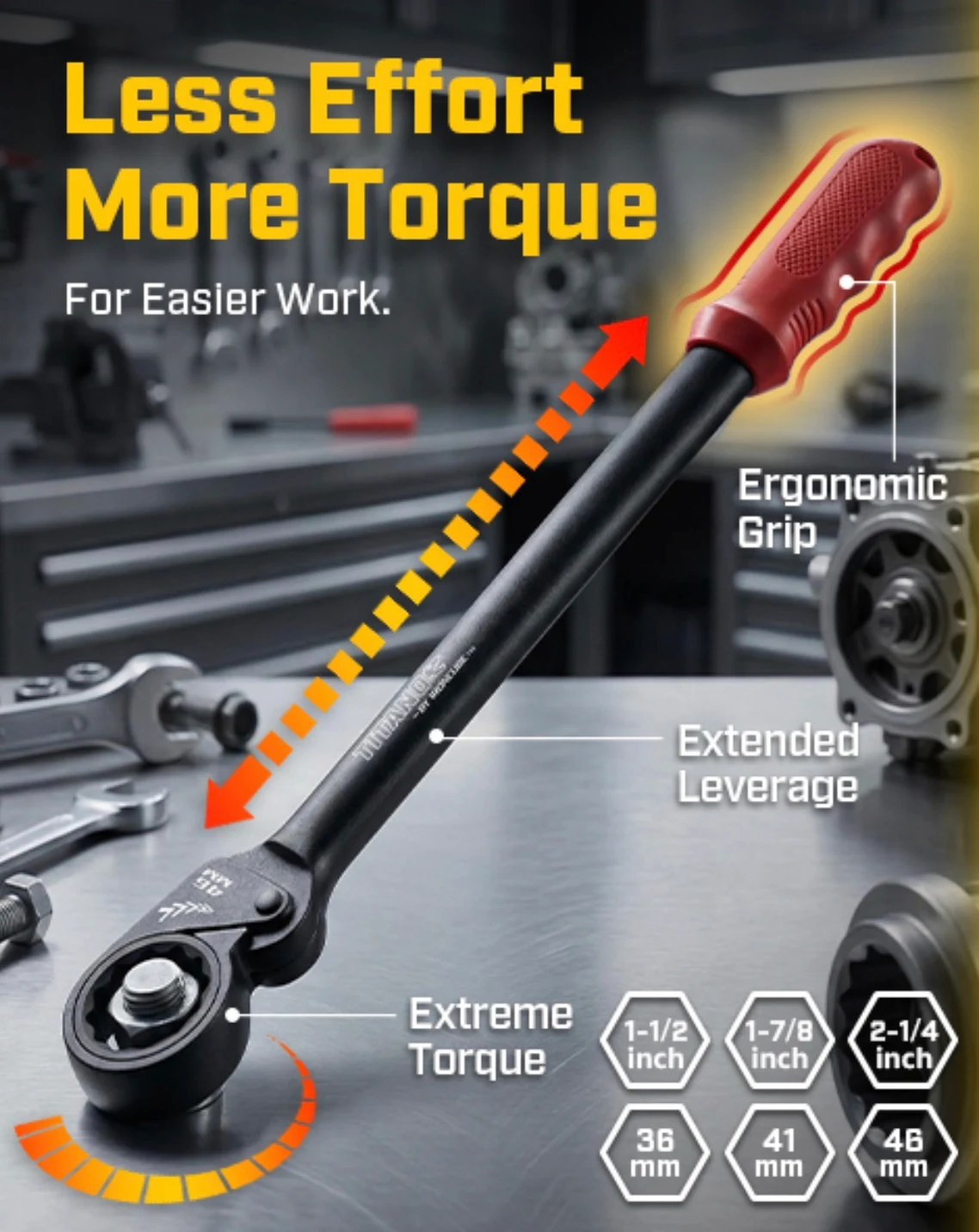
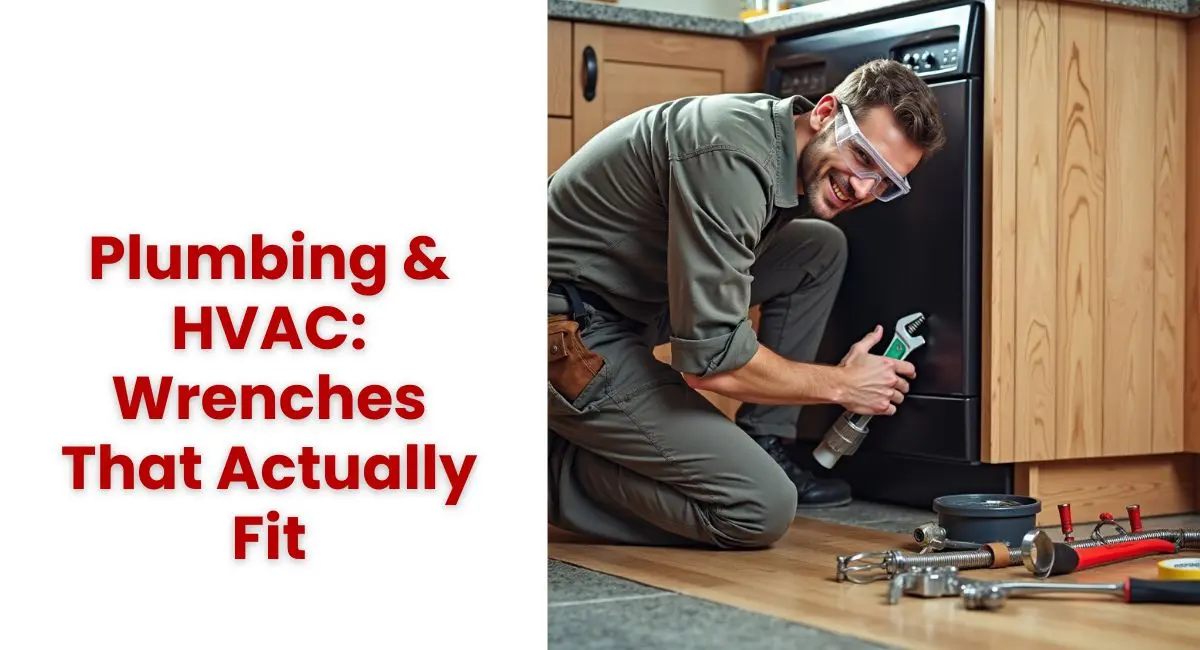
You need wrenches that fit well every time, especially for Plumbing & HVAC jobs. For these tasks, use pipe, adjustable, and basin wrenches. These wrenches come in sizes ranging from 1/4 inch to 1-5/8 inches or 6mm to 32mm. Good brands include Knipex, Bacho, Milwaukee, Klein Tools, RIDGID, Rigid, and Reed, all known for making strong and reliable wrenches and hand tools. Be sure to check out the IRONCUBE Amazon Store for the best selection of wrench hand tools. You can also find information on warranty and exchanges there. Don’t forget to look for Amazon Ironcubeworks Wrench deals as well.
You need wrenches that fit well every time, especially for Plumbing & HVAC jobs. For these tasks, use pipe, adjustable, and basin wrenches. These wrenches come in sizes ranging from 1/4 inch to 1-5/8 inches or 6mm to 32mm. Good brands include Knipex, Bacho, Milwaukee, Klein Tools, RIDGID, Rigid, and Reed, all known for making strong and reliable wrenches and hand tools. Be sure to check out the IRONCUBE Amazon Store for the best selection of wrench hand tools. You can also find information on warranty and exchanges there. Don’t forget to look for Amazon ironcubeworks Wrenche deals as well.
Key Takeaways
- The right wrench stops damage to fittings and saves time. A tight fit lowers the chance of slipping and getting hurt.
- Wrenches have different jobs. Keep many wrenches in your toolbox. This helps you do any Plumbing or HVAC work well.
- Measure fittings often and check wrench sizes. This easy step helps you pick the right tool. It stops expensive errors.
Why Fit Matters
Common Issues
When you use a wrench that does not fit right, you run into problems fast. The jaws might slip off the fitting. This can round off or strip the edges, making it almost impossible to loosen or tighten the part later. You might even damage the pipe or nut, which means more repairs and higher costs. Slipping tools can also hurt your hands or knuckles. Wasted time is another big issue. If you keep fighting with the wrong tool, you spend more time on a simple job.
- Stripped fittings make future repairs harder.
- Slippage can cause injuries.
- Damaged parts may lead to leaks or system failures.
- Wasted time adds up on every project.
Benefits of Proper Fit
‘A good wrench is like a trustworthy companion—crucial for completing the task accurately.’
When you pick the right wrench for your Plumbing & HVAC job, you work safer and faster. The tool grips the fitting tightly, so you do not have to worry about slipping or damaging the part. HVAC contractors often use tube wrenches to make sure connections stay secure and leak-free. You protect your tools and the system you are working on. With the Adjustable Wrenches Market projected to reach 3.78 billion USD by 2033, investing in quality tools pays off. You get more done, avoid injuries, and keep your work looking professional.
Plumbing & HVAC Wrench Types
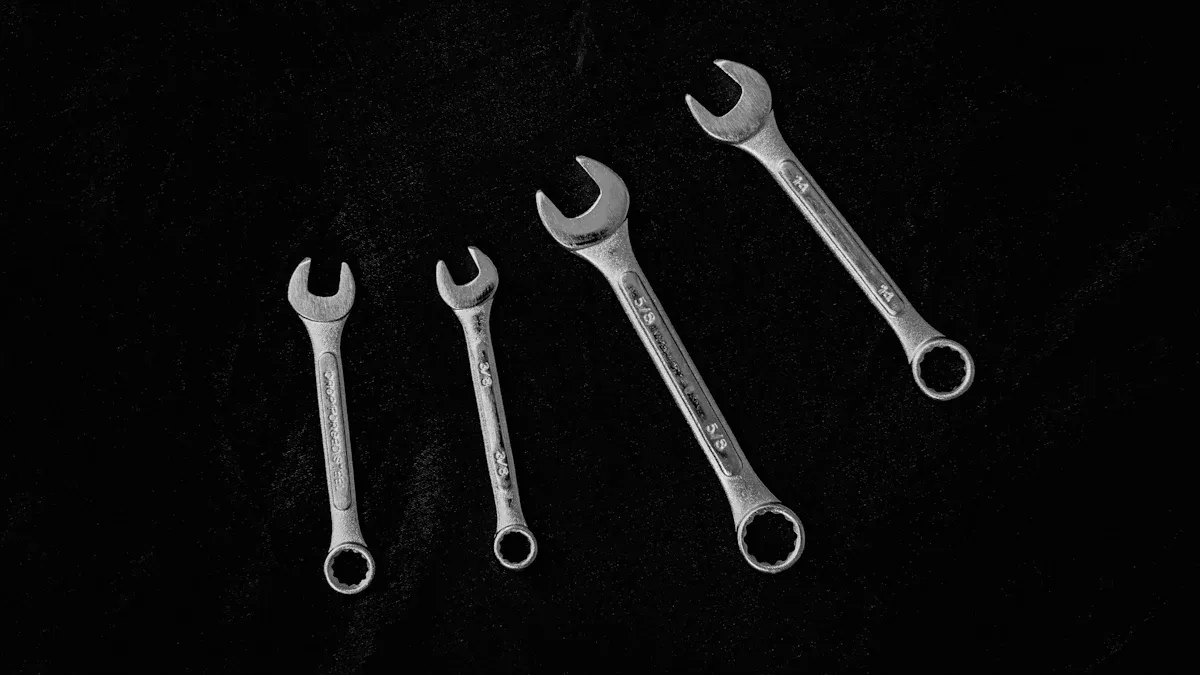
If you work in Plumbing & HVAC, you need the right wrench. Each wrench does a special job. Using the right tool helps you finish faster. It also keeps your fittings safe from harm.
Tip: Keep different wrenches in your toolbox. You never know which one you will need!
Adjustable Wrenches
Adjustable wrenches are used for many Plumbing & HVAC jobs. You can change the jaw size to fit nuts and bolts. This means you do not need lots of fixed-size wrenches. Adjustable wrenches are great for quick fixes and tight spaces.
- Versatility: One wrench works for many sizes.
- Top Brands: Knipex Swedish pattern, Bacho, and Klein Tools 12-in-1 are popular.
- Lightweight Options: Milwaukee 18-Inch Aluminum is easy to hold and does not tire your hand.
A technician fixed a rooftop unit much faster with a thin 12mm adjustable wrench. Light wrenches help you work quickly and reach small spaces.
Pipe Wrenches
Pipe wrenches grip and turn round pipes. You need them for most Plumbing & HVAC jobs with threaded pipes. The jaws bite into the pipe for a strong hold.
- Function: Made for round pipes and fittings.
- Top Brands: Ironcube, One Stop, and Reed make tough pipe wrenches.
- Comfort: Ridgid tools feel good in your hand. DIYers like them. Milwaukee is a top pick for pros.
Note: Match the pipe wrench size to the pipe. This stops slipping and keeps the pipe safe.
Basin Wrenches
Basin wrenches are best for working under sinks. They reach faucet nuts in tight spots where other wrenches cannot go. The long shaft and moving jaw help you loosen or tighten nuts behind sinks.
- Primary Use: Used for under-sink plumbing and faucets.
- Top Picks: Ironcube, Tools and Reed make good basin wrenches.
- Benefits: Fits in small spaces and saves time.
Strap Wrenches
Strap wrenches grip smooth or odd-shaped things. They do not scratch or harm soft finishes. These wrenches work well for plastic pipes, filters, and round items.
- Use Case: Grips smooth or fragile things.
- Brands: Bacho and Reed make strong strap wrenches.
- Advantages: Light and simple to use. Often sold in sets with different sizes.
Pro Tip: Use a strap wrench to protect the surface of a pipe or fitting.
Specialty Tools
Some Plumbing & HVAC jobs need special wrenches. These are flare nut wrenches, chain wrenches, crowfoot wrenches, and combination wrenches. Each tool helps with a certain problem.
- Flare Nut Wrench: Holds nuts on tubing and stops corners from getting rounded.
- Chain Wrench: Turns big round things and gives extra power.
- Crowfoot Wrench: Gets into tight places that regular wrenches cannot reach.
- Combination Wrench: Has both box-end and open-end for more ways to use.
| Wrench Type | Primary Function |
|---|---|
| Adjustable Wrench | A tool that fits many fasteners without switching tools. |
| Pipe Wrench | Grips and turns round pipes, needed for plumbing. |
| Flare Nut Wrench | Holds and turns nuts on tubing, stops corners from rounding. |
| Chain Wrench | Grips and turns big, round things, giving strong power. |
| Basin Wrench | Works in tight spots under sinks, reaches faucet nuts. |
| Strap Wrench | Grips smooth or odd shapes without harm, good for plumbing. |
Choosing the Right Wrench
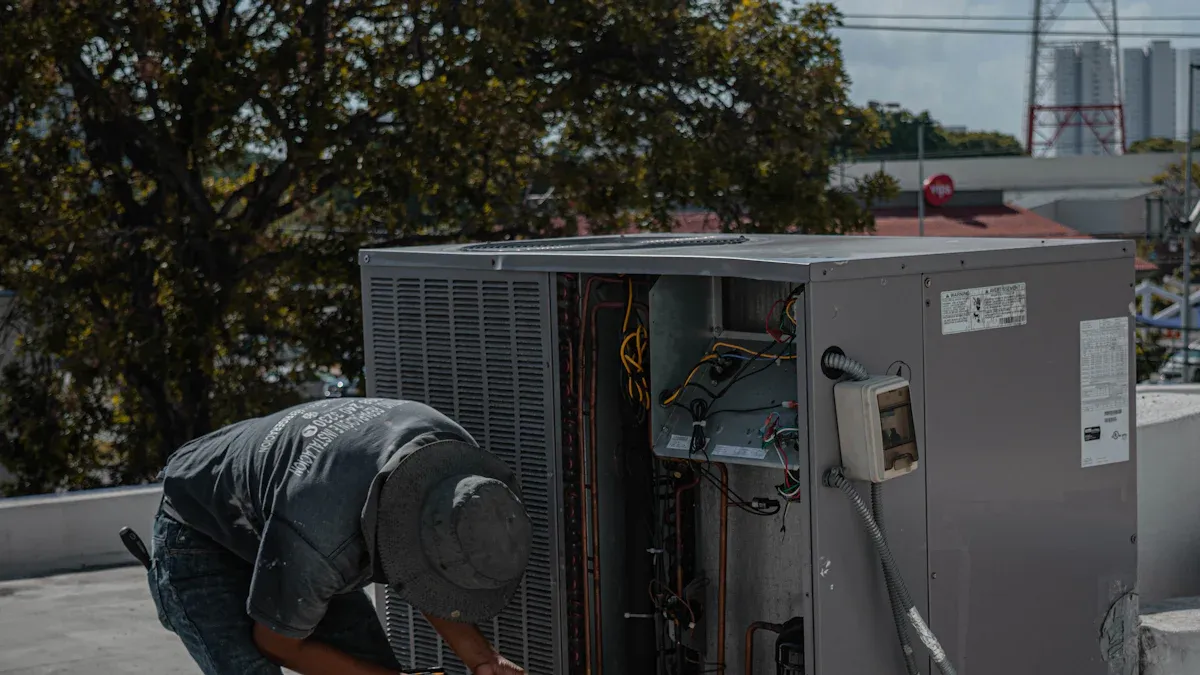
Picking the right wrench for plumbing & HVAC work can save you time and trouble. You want a tool that fits your job and your hand. Let’s break down how you can make smart choices every time.
Measuring Fittings
You need to measure fittings before you grab a wrench. This step helps you avoid using the wrong size. Here’s how you can do it:
- Use a tape measure or caliper to check the diameter of the pipe or nut.
- Write down the measurement in inches or millimeters.
- Compare your measurement to the wrench sizes in your toolbox.
- If you work with both standard and metric fittings, keep a conversion chart nearby.
Tip: Always measure twice. A quick check can prevent wasted time and stripped fittings.
When you measure fittings, you make sure your wrench will grip tightly. This means less slipping and less damage. You also work faster because you don’t have to hunt for the right tool.
Matching Jaws
Getting the jaws of your wrench to match the fitting is key. If the jaws are too loose, the wrench slips. If they’re too tight, you might damage the fitting. Here’s what you should do:
- Choose a wrench jaw size that matches the fastener.
- Make sure the wrench makes full contact with the fitting before you turn.
- Apply steady pressure. Don’t force the wrench if it doesn’t fit.
- Using the correct size wrench prevents slipping and damage to bolt heads.
- A snug fit lets you apply even torque, which protects the fastener surface.
- Matching jaws extends the life of your tools and helps you finish jobs faster.
Note: If you use an adjustable wrench, set the jaws so they touch both sides of the nut or bolt. This gives you the best grip.
Some jobs need special wrenches. For example, a straight pipe wrench gives you control and leverage for general plumbing. An offset wrench helps you reach bolts in tight spaces. Chain and pin pipe wrenches grip different pipe fittings. Strap pipe wrenches protect plastic or polished pipes. End pipe wrenches let you reach hard-to-access pipes.
Conversion Chart
You might see both standard (SAE) and metric sizes in Plumbing & HVAC work. It’s easy to get confused. Use a conversion chart to match wrench sizes to fittings. This helps you pick the right tool every time.
| SAE (Inches) | Closest Metric (mm) | Notes |
|---|---|---|
| 5/32″ | 4mm | Slightly loose fit |
| 3/16″ | 4.5mm | Rare metric size |
| 1/4″ | 6mm | Very close |
| 3/8″ | 10mm | Very close |
| 1/2″ | 13mm | Often interchangeable |
| 3/4″ | 19mm | Often used interchangeably |
| 1″ | 25.4mm | Exact conversion |
| 1-1/4″ | 32mm | Industrial applications |
| 1-1/2″ | 38mm | Structural hardware |
| 1-3/4″ | 45mm | HVAC and construction |
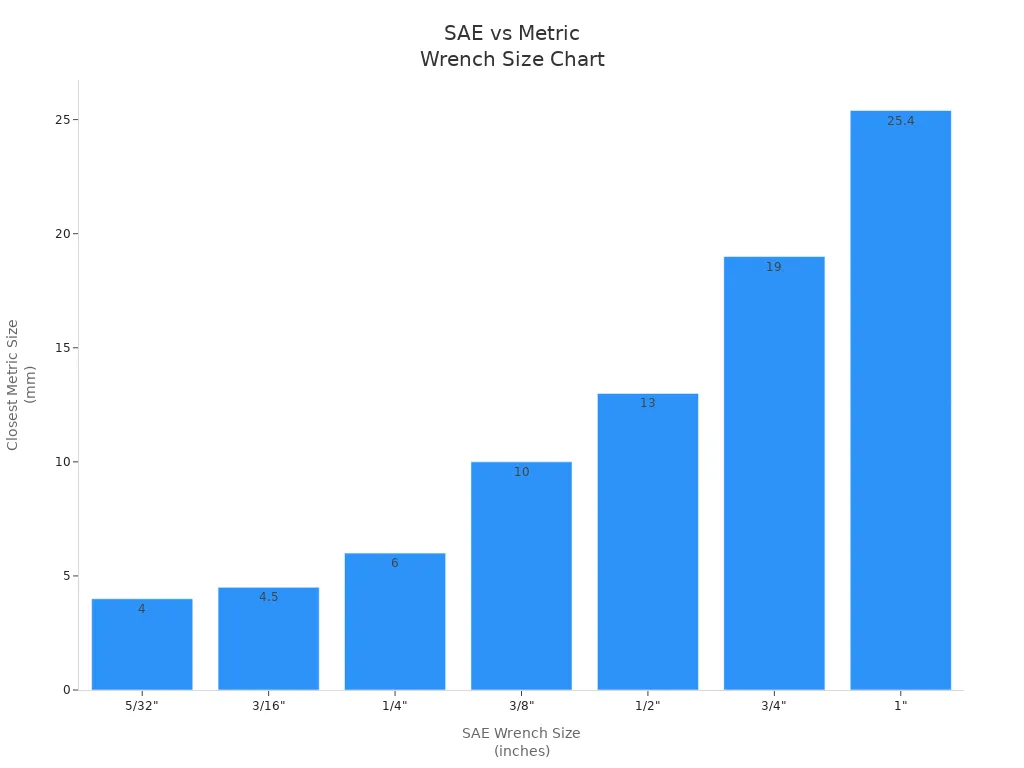
Quick Reference:
- 1/4″ = 6mm
- 3/8″ = 10mm
- 1/2″ = 13mm
If you want more details, check out the Ironcube wrench guide or visit the Amazon IRONCUBE Store.
Pro Tip: Keep a printed conversion chart in your toolbox. You’ll always know which wrench to grab, even if you switch between standard and metric fittings.
Step-by-Step Guide for Selecting the Right Wrench:
- Step 1: Measure the fitting or fastener.
- Step 2: Check if you need a standard or metric wrench.
- Step 3: Use the conversion chart to find the closest match.
- Step 4: Pick the wrench type that fits your job (straight, offset, chain, strap, or end).
- Step 5: Match the jaws to the fitting for a snug grip.
- Step 6: Test the fit before you start working.
You can handle any plumbing & HVAC job with confidence when you follow these steps. The right wrench saves you time, protects your tools, and keeps your work looking sharp.
Avoiding Mistakes
Common Errors
You might think grabbing any wrench will get the job done, but that’s where most people slip up. Using the wrong size wrench is a top mistake. This can round off nuts or damage fittings. Over-tightening is another big problem. You may feel like you need to crank down hard, but that can crack pipes or strip threads. Sometimes, you might even use a wrench on the wrong type of fitting, which leads to leaks or broken parts. Forgetting to check the fit before turning the wrench can also waste your time and cause frustration.
Tip: Always double-check your wrench size before you start. It saves you from headaches later.
Solutions
You can avoid most wrench problems with a few smart habits. Experts suggest you:
- Hand-tighten first. Start by turning the fitting with your hand until it feels snug.
- Use a wrench with caution. If you need more force, grab your wrench and turn it only a quarter turn past hand-tight. This keeps you from over-tightening and damaging the fitting.
- Pick the right tool. Match the wrench to the job. Use pipe wrenches for pipes, basin wrenches for sinks, and adjustable wrenches for odd sizes.
- Check the jaws. Make sure the wrench grips the fitting fully before you apply pressure.
Time-Saving Tips
Want to work faster and smarter? Keep your tools organized so you can grab the right wrench quickly. Lay out your wrenches by size before you start. Keep a conversion chart in your toolbox for fast reference. If you run into a stuck fitting, spray a little lubricant and let it sit for a few minutes. This makes loosening much easier. Remember, the right tool and a little patience save you time and trouble every time.
Pro Tips
Maintenance
Keeping your wrenches and HVAC tools in top shape makes every job easier. You want your tools to last and work well every time you grab them. Regular maintenance is the secret.
- Inspect your tools often. Look for signs of wear or damage.
- Fix or replace worn tools right away. This keeps your work safe and efficient.
- Set a maintenance schedule. Mark your calendar so you never forget.
- Change air filters monthly if you work with HVAC systems. This simple step keeps your equipment running smoothly and saves money on energy bills.
- Check all equipment regularly. Catching small problems early can stop big hazards later.
- Stay safe and follow safety rules. Regular checks help you meet safety standards.
Tip: A little time spent on maintenance now saves you from big headaches later.
Checking Fit
You want your wrench to fit perfectly every time. Regular fit checks help you spot problems before they slow you down.
- Look for worn jaws or loose adjustments.
- Replace defective tools right away.
- Test the fit before you start turning.
- Keep a conversion chart handy so you always grab the right size.
Note: Inspections keep your tools working their best and help you avoid accidents.
Handling Tricky Fittings
Some fittings just don’t want to budge. You can handle them with a few smart tricks:
- Hand-tighten fittings first. This prevents over-tightening and keeps leaks away.
- Wrap threads with plumber’s tape. This creates a waterproof seal and makes fittings easier to tighten.
- Use magnetic insulation on outdoor fittings. This protects them from bad weather and prevents freezing.
- Pick the right specialty wrench for hard-to-reach spots.
Pro Tip: Take your time with tricky fittings. The right technique keeps your work leak-free and professional.
Conversion Chart Table
Standard vs. Metric
You often see both standard (SAE) and metric wrench sizes in plumbing and HVAC work. Picking the right size can feel confusing, but a good chart makes it simple. Here’s a handy table that compares the most common sizes you’ll use. You can match the wrench to the bolt or fitting quickly.
| Standard (SAE) | Metric (mm) | Typical Use |
|---|---|---|
| 1/2″ | 13 mm | Faucet nuts, pipe fittings |
| 9/16″ | 14 mm | Valve bolts, HVAC units |
| 5/8″ | 16 mm | Water heater fittings |
| 10 mm | 3/8″ | Small pipe clamps |
| 12 mm | 7/16″ | Supply line nuts |
| 14 mm | 9/16″ | Compressor bolts |
| 17 mm | 11/16″ | Large pipe connections |
| 19 mm | 3/4″ | Main water lines |
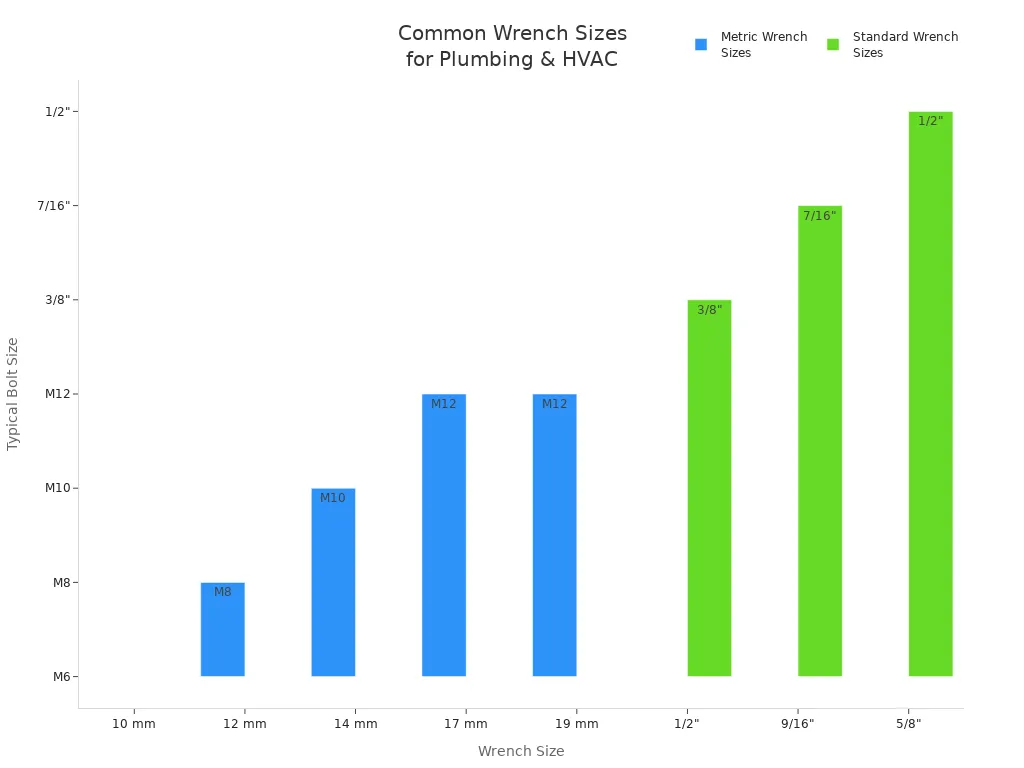
Tip: Always match the wrench type to the bolt. Using the wrong system can round off the corners or damage the fitting.
Quick Reference
You want to grab the right wrench fast. Here are three quick rules to help you avoid mistakes:
- Choose a snug fit. Never force a wrench that feels loose.
- Match metric to metric, SAE to SAE. Mixing them can cause problems.
- If you must substitute, pick a slightly larger SAE size for a metric bolt. This keeps your fittings safe.
You can find more charts and guides at the Ironcube wrench guide. If you need quality tools, check out the Ironcube product category and the Amazon IRONCUBE Store.
Note: Keeping a printed chart in your toolbox saves you time and helps you work like a pro.
You want every Plumbing & HVAC job to go well.
- Using the right wrench keeps you safe and helps you work faster. It also makes your work look better.
- Good brands and easy-to-read charts help you pick the best tool.
- Ironcube’s website has helpful guides, product details, and customer support.
“Trust is the most important thing for emergency jobs. Customers want to know you are real and know what you are doing right away.”
| Brand | Warranty Options | Customer Service Options |
|---|---|---|
| Rheem | 6-to-10 years, can get longer | Needs a pro to install for warranty |
| Bradford White | 6-to-10 years | Great customer service, must use approved techs |
| American Standard | 6 years, can be up to 12 years | N/A |
Summary
Choosing the right wrenches for Plumbing & HVAC tasks can make all the difference in the efficiency and quality of your work. From adjustable wrenches to ratcheting wrenches, each tool has its unique advantages. At IronCubeworks, we offer a wide range of high-quality wrenches designed to meet the needs of professionals and DIY enthusiasts alike.
Explore our Wrench Collection today and take your Plumbing & HVAC projects to the next level. For any questions or assistance, feel free to Contact Us.
FAQs
What wrench is best for plumbing work?
Pipe wrenches and adjustable wrenches are the cornerstone tools for plumbing, suited for different pipe sizes and fixture types.
How do I choose the right wrench size?
Use the wrench size conversion chart above to match wrench sizes with bolt diameters precisely, switching between metric and standard measurements if needed.
Can I use the same wrench for HVAC and plumbing?
Yes, many wrenches like pipe wrenches, adjustable wrenches, and ratcheting wrenches, are versatile enough for both plumbing and HVAC tasks. Choose high-quality versions for best performance.
Are ratcheting wrenches suitable for plumbing?
Absolutely, ratcheting wrenches allow faster work in tight spaces common in plumbing and HVAC.
Where can I buy durable plumbing and HVAC wrenches?
IronCubeWorks sells professional-grade wrench sets and individual tools tailored for these trades at ironcubeworks.com.