Keeping a car healthy does not always require a professional garage. Many routine jobs are simple enough for a careful owner. You can check tire pressure, replace wiper blades, change filters, inspect fluids, tighten loose fasteners, and diagnose basic warning lights at home.
The real difference is not courage. It is preparation.
Having the Best Tools for car maintenance helps you work safely, avoid damaged bolts, and reduce unnecessary repair bills. A cheap tool may work once. A reliable tool works when the bolt is tight, the space is narrow, and the job needs precision.
Car ownership is also getting more expensive. AAA’s 2025 driving-cost study estimates the average cost to own and operate a new vehicle at $11,577 per year. It also lists maintenance, repair, and tires at 11.04 cents per mile. That figure includes routine maintenance, wear-and-tear repairs, and replacement tires over five years of operation.
That does not mean every driver should become a full mechanic. It means a smart owner should know which jobs are safe to handle, which tools are worth buying, and when to stop and call a professional.
This guide gives you a mechanic-style checklist of the best tools for car maintenance, with practical buying advice for beginners, home garages, and DIY car owners.
For quality hand tools, you can also explore the main IRONCUBE tools website, including dedicated categories for wrenches and screwdrivers.
Why the Best Tools for Car Maintenance Matter
Modern cars are more reliable than older vehicles, but they are not maintenance-free. Tires wear. Brake pads thin out. Batteries weaken. Fluids age. Fasteners loosen. Filters clog.
Consumer Reports notes that the average age of vehicles on American roads reached 12.6 years in 2024, which makes routine maintenance even more important. Older vehicles can last longer, but only when owners stay ahead of small problems before they become expensive repairs.
The right tools help in three ways.
First, they protect the vehicle. A correct-size socket prevents rounded bolts. A torque wrench prevents over-tightening. A quality screwdriver protects screw heads and interior clips.
Second, they protect you. A car jack alone is not enough. You need jack stands, wheel chocks, gloves, eye protection, and a stable work surface.
Third, they save time. A mechanic does not fight the car. He chooses the right tool before touching the fastener.
That is the mindset behind this checklist.
Quick Checklist: Best Tools for Car Maintenance
Use this table as a fast buying guide before building your DIY garage setup.
| Tool | Best For | Beginner Priority | Mechanic’s Note |
|---|---|---|---|
| Socket and ratchet set | Oil changes, battery work, under-hood jobs | High | Choose metric first for most modern cars |
| Combination wrench set | Tight spaces, brake lines, brackets | High | Ratcheting wrenches save time |
| Screwdriver set | Interior panels, clamps, covers, lights | High | Magnetic tips help prevent dropped screws |
| Torque wrench | Wheels, brakes, engine covers | High | Critical for correct tightening |
| Tire pressure gauge | Tire safety and fuel economy | High | Keep one in the glove box |
| Floor jack and jack stands | Tire rotation, brake inspection | High | Never work under a car supported only by a jack |
| Pliers set | Hose clamps, clips, electrical connectors | Medium | Include needle-nose and locking pliers |
| OBD-II scanner | Check engine light diagnosis | Medium | Useful before visiting a repair shop |
| Funnel and drain pan | Oil, coolant, washer fluid | Medium | Prevents mess and contamination |
| Brake line wrench | Brake and fuel line fittings | Advanced | Prevents rounding soft brake-line nuts |
This list is not about owning every tool. It is about buying the best tools for car maintenance in the right order.
Best Tools for Car Maintenance for Beginners
A beginner does not need a professional toolbox worth thousands of dollars. Start with tools that cover the most common jobs. Then expand when your confidence grows.
1. Socket Set and Ratchet
A socket set is the backbone of DIY auto work. You will use it for battery terminals, skid plates, engine covers, air filter housings, drain plugs, brackets, and many under-hood fasteners.
For most cars, a good starter kit should include 1/4-inch and 3/8-inch drive ratchets. Add shallow and deep sockets. Metric sizes matter most because most modern vehicles use metric fasteners.
A 1/2-inch drive set becomes useful for lug nuts, suspension bolts, and higher-torque work. But beginners should not rush into heavy repair jobs without learning proper lifting and torque procedures.
Look for six-point sockets when possible. They grip the flat sides of a bolt better than twelve-point sockets. That reduces the chance of rounding a stubborn fastener.
2. Wrench Set
A wrench reaches places where a socket cannot. It is essential around brake lines, tight engine bays, battery brackets, exhaust hangers, and fluid fittings.
A standard combination wrench has an open end and a box end. The open end slips over lines and fittings. The box end grips more securely.
For a deeper understanding of the tool itself, the general definition and history of a wrench can help beginners understand why different wrench styles exist.
For automotive work, invest in a proper wrench set rather than relying only on an adjustable wrench. Adjustable wrenches are useful, but they can slip if used carelessly.
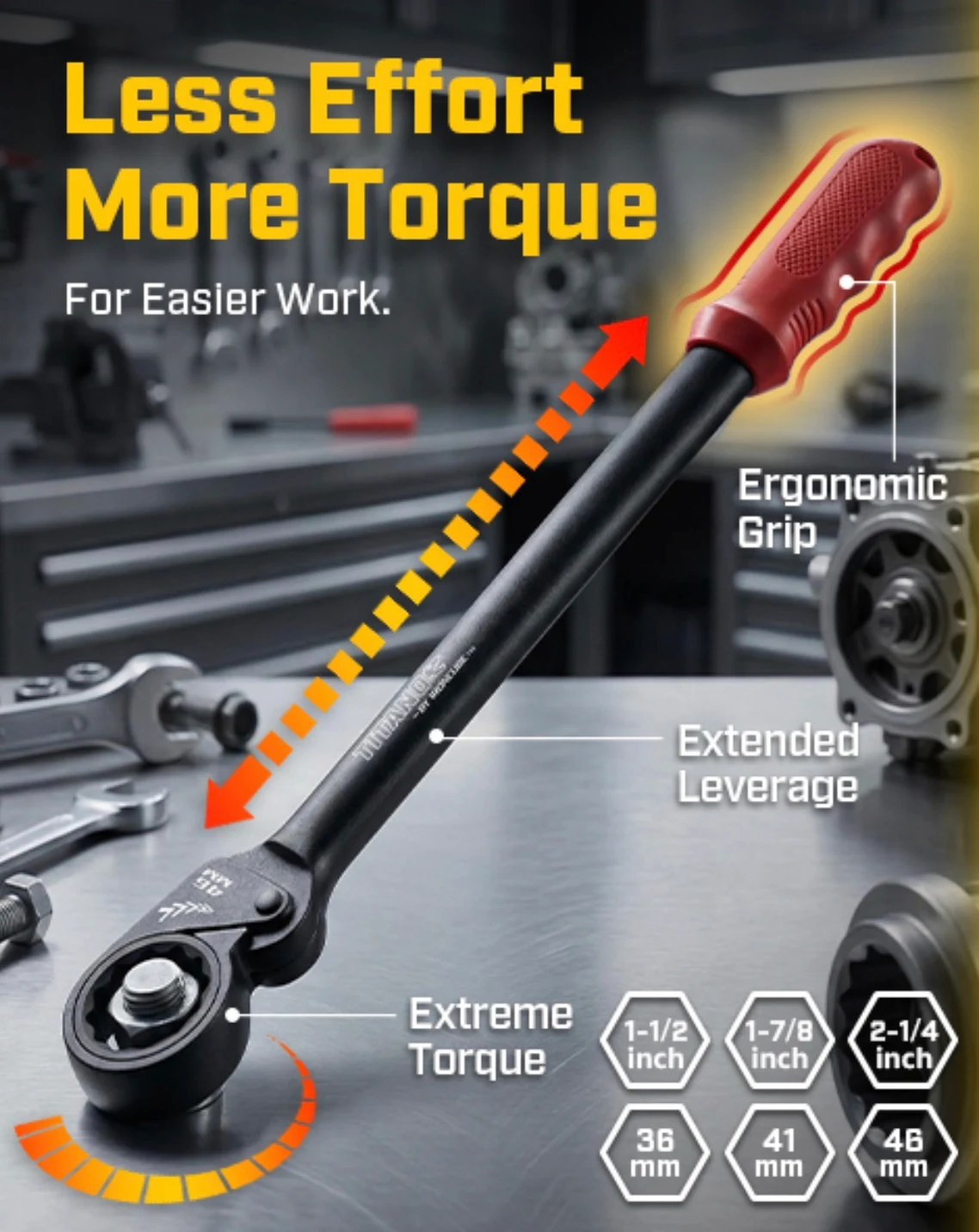
IRONCUBE offers dedicated wrench sets for DIY and workshop use. For brake and fuel line work, a flare-nut style wrench is safer than an open-end wrench because it grips more sides of the fitting.
A good example is the IRONCUBE 3PCS SAE Brake Line Wrench Set with Rolling Pouch, which is designed for line fittings where a normal wrench may round the nut.
3. Screwdriver Set
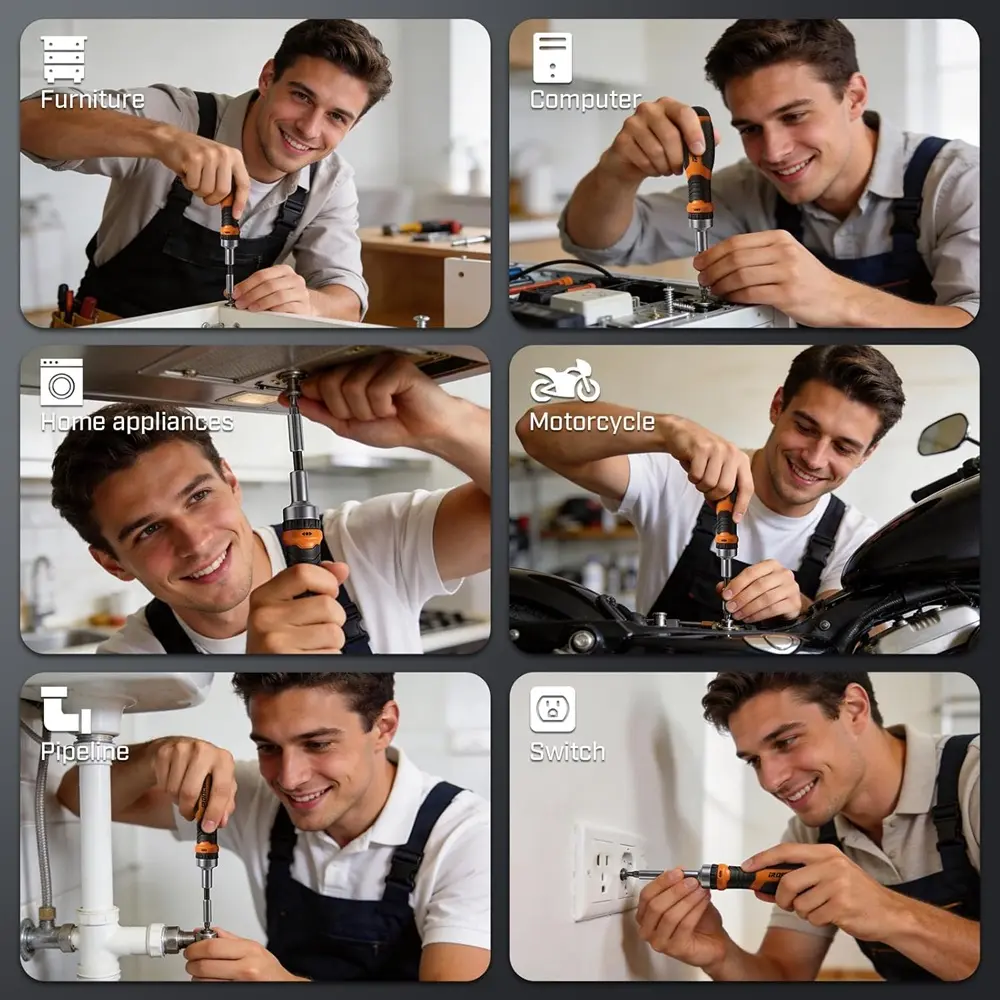
A screwdriver set seems basic, but it is one of the best tools for car maintenance because cars use screws everywhere. You may need one for air boxes, hose clamps, trim panels, lights, license plates, under-dash panels, and small brackets.
A proper set should include Phillips, flathead, Torx, and precision bits. Magnetic tips help when screws fall into tight areas.
For compact storage, an interchangeable screwdriver makes sense. You can learn how this design works in IRONCUBE’s guide on what an interchangeable screwdriver is.
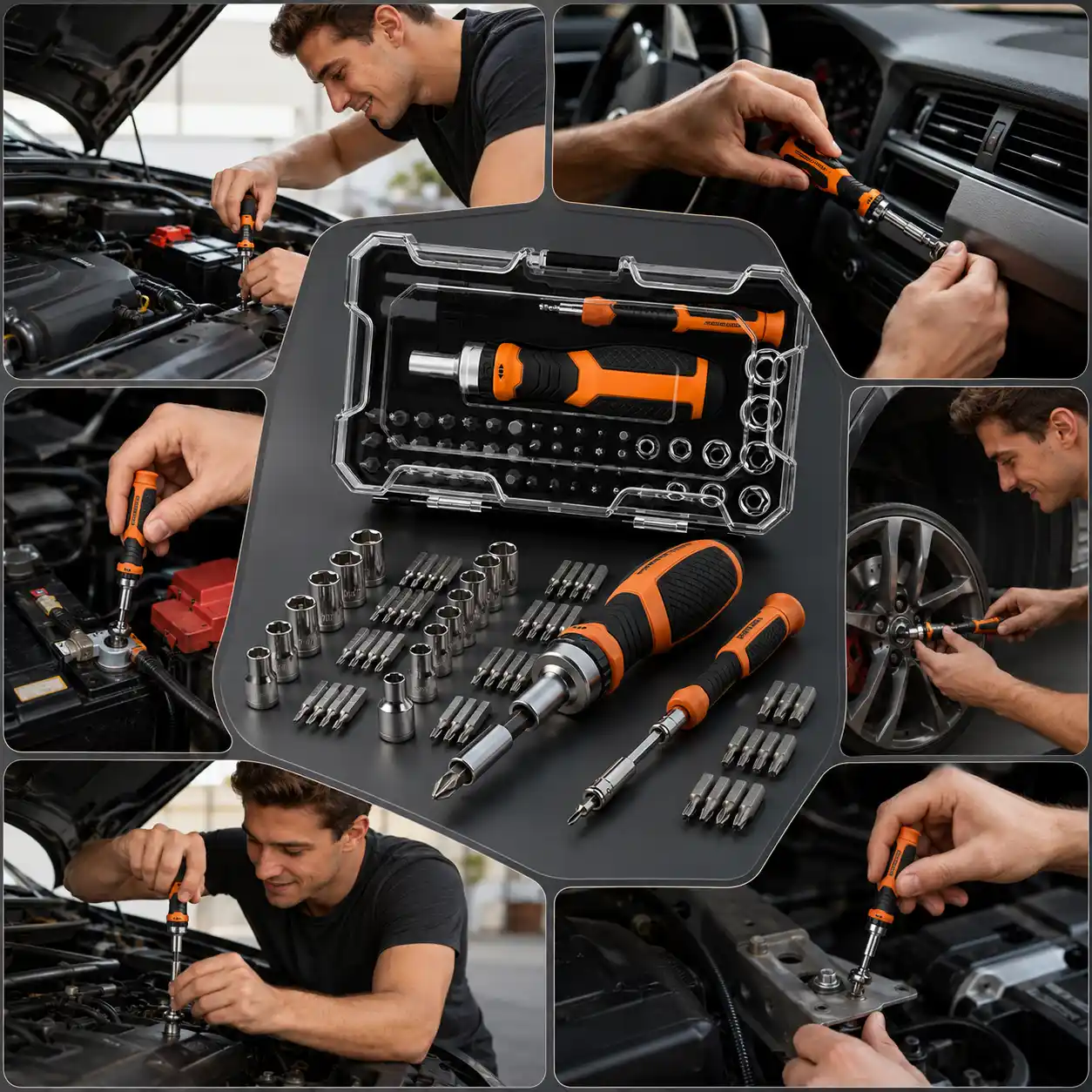
For drivers who want one versatile kit, the IRONCUBE 56-piece ratcheting screwdriver set on Amazon is a practical option for car interiors, electronics, trim pieces, and general home repair.
You can also compare options in the IRONCUBE guide to the best magnetic screwdriver sets.
4. Pliers and Trim Tools
Pliers help with clips, clamps, hoses, wires, and stuck parts. A beginner should own needle-nose pliers, slip-joint pliers, locking pliers, and diagonal cutters.
Automotive trim tools are also useful. Many interior clips break when people use metal screwdrivers to pry panels. Plastic trim tools spread force more gently. They help remove door panels, dashboard pieces, clips, and small covers.
This is a cheap tool category with high value. It protects the finish of the car and prevents broken plastic parts.
5. Torque Wrench
A torque wrench is not optional if you work on wheels, brakes, spark plugs, drain plugs, or engine parts. It tightens bolts to the manufacturer’s specification.
Too loose is dangerous. Too tight can strip threads, warp parts, or snap bolts.
A click-style torque wrench is the easiest starting point. Buy one that covers the torque range used by your vehicle. For lug nuts, many DIY users choose a 1/2-inch drive torque wrench. For smaller under-hood fasteners, a 3/8-inch drive torque wrench is often better.
This tool teaches discipline. It forces you to stop guessing.
Safety Tools Every DIY Mechanic Should Own
The best tools for car maintenance are not only the tools that turn bolts. Safety tools matter just as much.
Start with safety glasses. Fluids, rust, dirt, and metal flakes can fall quickly when you work under a vehicle. Gloves help with heat, sharp edges, and chemical exposure.
Next, buy wheel chocks. These prevent the car from rolling while lifted. Use them on the opposite wheels before raising the vehicle.
A hydraulic floor jack lifts the car, but jack stands support it. That distinction matters. Never place your body under a vehicle supported only by a jack.
Keep a fire extinguisher in the garage. Automotive work involves fuel, oil, electrical systems, and hot surfaces. A basic first-aid kit also belongs in any serious workspace.
Good lighting is another safety tool. A rechargeable LED work light helps you inspect leaks, belts, hoses, brake components, and underbody areas.
Tire Maintenance Tools
Tire care is one of the highest-value DIY maintenance areas. It affects safety, ride quality, tire life, and fuel economy.
NHTSA says drivers should check tire pressure at least once a month when tires are cold. It also recommends keeping a tire pressure gauge in the vehicle because tires can lose pressure after pothole impacts or curb contact.
NHTSA also reports nearly 11,000 tire-related motor vehicle crashes each year, with more than 600 deaths. Proper inflation can save up to 11 cents per gallon, and it can extend tire life by 4,700 miles.
For tire maintenance, start with a digital tire pressure gauge. Add a portable inflator if you drive often or travel long distances. A tread depth gauge is inexpensive and more accurate than guessing.
You also need a lug wrench, breaker bar, floor jack, jack stands, and torque wrench if you plan to rotate tires at home.
NHTSA says tires are not safe when tread wears down to 2/32 of an inch. It also recommends checking tread at least once a month when checking pressure.
Tire rotation depends on your vehicle. NHTSA notes that many vehicles should rotate tires every 5,000 to 8,000 miles if the manufacturer recommends rotation. Always confirm the correct pattern in your owner’s manual.
Brake Maintenance Tools
Brake work requires more care than basic under-hood tasks. You can inspect brake pads and rotors at home, but brake replacement needs correct lifting, cleaning, torque, and bedding procedures.
The main tools include a floor jack, jack stands, lug wrench, socket set, breaker bar, brake caliper tool, brake cleaner, torque wrench, and gloves.
For brake-line work, use a brake line wrench. Do not use a loose open-end wrench on soft brake fittings. Rounded brake-line nuts can turn a simple job into an expensive repair.
Consumer Reports lists typical brake pad and rotor replacement intervals around 25,000 to 50,000 miles, with inspection recommended at every oil change. It also estimates brake pad and rotor service at $500 to $950, depending on the vehicle and shop.
That cost explains why many owners want to learn brake work. But here is the blind spot: brakes are a safety system. If you are unsure, inspect only and hire a professional for repair.
Battery and Electrical Diagnostic Tools
A weak battery can look like a starter problem, alternator problem, or random electrical issue. Basic diagnostic tools help you avoid guesswork.
Start with a digital multimeter. It can test battery voltage, charging voltage, fuses, and continuity. Add a battery terminal brush to clean corrosion from terminals.
An OBD-II scanner is also one of the best tools for car maintenance because it helps you read diagnostic trouble codes when the check engine light appears. It does not magically identify every broken part, but it gives you a starting point.
CarMD’s 2025 Vehicle Health Index shows why diagnosis matters. In 2024, average check-engine-related repair costs ranged from about $402.89 in the Midwest to $429.69 in the West. The same report shows that some problems, such as a loose or replaced fuel cap, can cost far less than major emissions repairs.
That is the value of scanning early. A small issue may become bigger if ignored.
Fluid Maintenance Tools
Fluids keep the vehicle alive. Engine oil lubricates and cools. Coolant controls temperature. Brake fluid transfers pedal force. Transmission fluid protects gears and clutches. Washer fluid keeps visibility clear.
For fluid jobs, you need a drain pan, funnels, gloves, rags, fluid transfer pump, oil filter wrench, and measuring container.
Consumer Reports lists common oil-change intervals at 5,000, 7,500, and 10,000 miles, depending on the vehicle and oil type. It also estimates typical oil-change pricing at $75 to $150.
A DIY oil change can save money, but only when done correctly. Use the exact oil grade, correct filter, new drain-plug washer if required, and proper torque.
Coolant work needs extra caution. Never open a hot cooling system. Hot coolant can cause serious burns. Use the correct coolant type because mixing incompatible coolant can create corrosion or deposits.
Best Tools for Car Maintenance by Skill Level
Not every tool belongs in a beginner’s first order. Build your kit in stages.
| Skill Level | Tools to Buy | Jobs You Can Handle |
|---|---|---|
| Beginner | Tire gauge, screwdrivers, socket set, wrenches, pliers, gloves, light | Tire pressure, filters, wipers, battery cleaning, small fasteners |
| Confident DIY | Torque wrench, jack stands, floor jack, drain pan, OBD-II scanner | Oil changes, tire rotation, basic diagnostics |
| Advanced DIY | Brake tools, flare-nut wrenches, multimeter, fluid pump | Brake inspection, sensor replacement, fluid service |
| Experienced | Impact tools, compression tester, vacuum pump, scan tool with live data | Deeper diagnostics and larger repairs |
A smart tool strategy is simple: buy for the job you are ready to perform, not the job you watched online once.
Budget vs Quality: Where to Spend More
Not every tool must be premium. But some tools should not be cheap.
Spend more on torque wrenches, jack stands, sockets, ratchets, brake-line wrenches, and screwdrivers. These tools affect safety and fastener condition.
You can save on funnels, drain pans, rags, plastic trim tools, and basic organizers. They matter, but they do not need luxury pricing.
For screwdrivers and compact kits, explore the full IRONCUBE screwdriver category. For wrench-based jobs, the IRONCUBE wrench category is a natural internal product path.
You can also follow the IRONCUBE YouTube channel for product demonstrations and tool-related content.
A good buying rule is this: if the tool touches a critical fastener, buy better quality. Damaged bolts cost more than good tools.
What Not to DIY Without Experience
DIY maintenance has limits. Some jobs need professional tools, training, or lift access.
Avoid airbag work, high-voltage hybrid or EV systems, major suspension repair, fuel-system work, internal engine repair, and complex brake hydraulics unless you are trained.
Also avoid working under a vehicle without proper support. This is not negotiable.
If a job affects steering, braking, airbags, or high-voltage systems, pressure-test your ability before starting. Saving money is not worth creating a safety risk.
For product guidance or wholesale tool questions, contact IRONCUBE through the official contact page.
FAQs
1. What tools should every car owner have?
Every car owner should have a tire pressure gauge, socket set, wrench set, screwdriver set, pliers, flashlight, gloves, and a basic emergency kit. These are the best tools for car maintenance because they cover inspections, small repairs, tire care, and simple under-hood tasks.
2. What are the best tools for car maintenance for beginners?
The best tools for car maintenance for beginners are a metric socket set, combination wrench set, magnetic screwdriver set, tire pressure gauge, torque wrench, and OBD-II scanner. These tools support safe, simple jobs without requiring advanced mechanical skill.
3. Do I need a torque wrench for DIY car maintenance?
Yes, a torque wrench is one of the best tools for car maintenance because many automotive bolts must be tightened to exact specifications. It is especially important for lug nuts, drain plugs, spark plugs, brake parts, and engine covers.
4. Is an OBD-II scanner worth buying?
An OBD-II scanner is worth buying because it helps identify diagnostic trouble codes before you pay for shop diagnosis. It is one of the best tools for car maintenance if you want to understand check engine lights and avoid blind part replacement.
5. Can I do brake maintenance at home?
You can inspect brakes at home if you have safe lifting equipment, lighting, and basic hand tools. However, the best tools for car maintenance will not replace skill. If you are unsure about brake repair, let a qualified mechanic handle the work.
6. Which tools should I buy first for a home garage?
Start with the best tools for car maintenance that handle common jobs: a tire gauge, a socket set, a wrench set, a screwdriver set, pliers, gloves, jack stands, and a torque wrench. Add specialty tools only when your projects require them.
Final Summary
The best tools for car maintenance are the ones that help you work safely, accurately, and confidently. Start with a socket set, wrenches, screwdrivers, tire pressure gauge, torque wrench, pliers, and safety gear. Then add an OBD-II scanner, floor jack, jack stands, brake tools, and fluid-service tools as your skills grow.
Good tools do not just save money. They prevent mistakes. They protect fasteners. They make routine maintenance easier. Most importantly, they help you know when a job is within your ability and when it belongs in a professional shop.
For a strong starter setup, explore IRONCUBE’s wrenches, screwdrivers, and automotive-focused hand tool options.