When you’re working on a project, whether it’s assembling furniture, repairing electronics, or fixing household items, the right tool makes all the difference. The debate between magnetic tip screwdrivers and non-magnetic alternatives has been ongoing for years, and choosing between them can significantly impact your work efficiency and frustration levels.
A magnetic tip screwdriver holds fasteners securely to the tip, preventing them from falling into tight spaces or hard-to-reach areas. Non-magnetic screwdrivers, meanwhile, rely solely on grip and torque to drive screws without any magnetic assistance. At IRONCUBE, we’ve engineered solutions that address both preferences, understanding that different work environments demand different tools.
This comprehensive comparison examines the strengths and limitations of both types, helping you determine which option serves your needs best. Whether you’re a professional contractor, a DIY enthusiast, or someone who simply wants reliable tools for occasional home repairs, understanding these differences ensures you invest in the right equipment.
What Are Magnetic Tip Screwdrivers?
Magnetic tip screwdrivers feature a magnetized end that attracts and holds metal fasteners in place. The magnetic field strength is carefully calibrated to hold screws firmly without making them difficult to remove once driven. This technology has become increasingly popular across various industries because it solves a fundamental problem: lost or dropped fasteners.
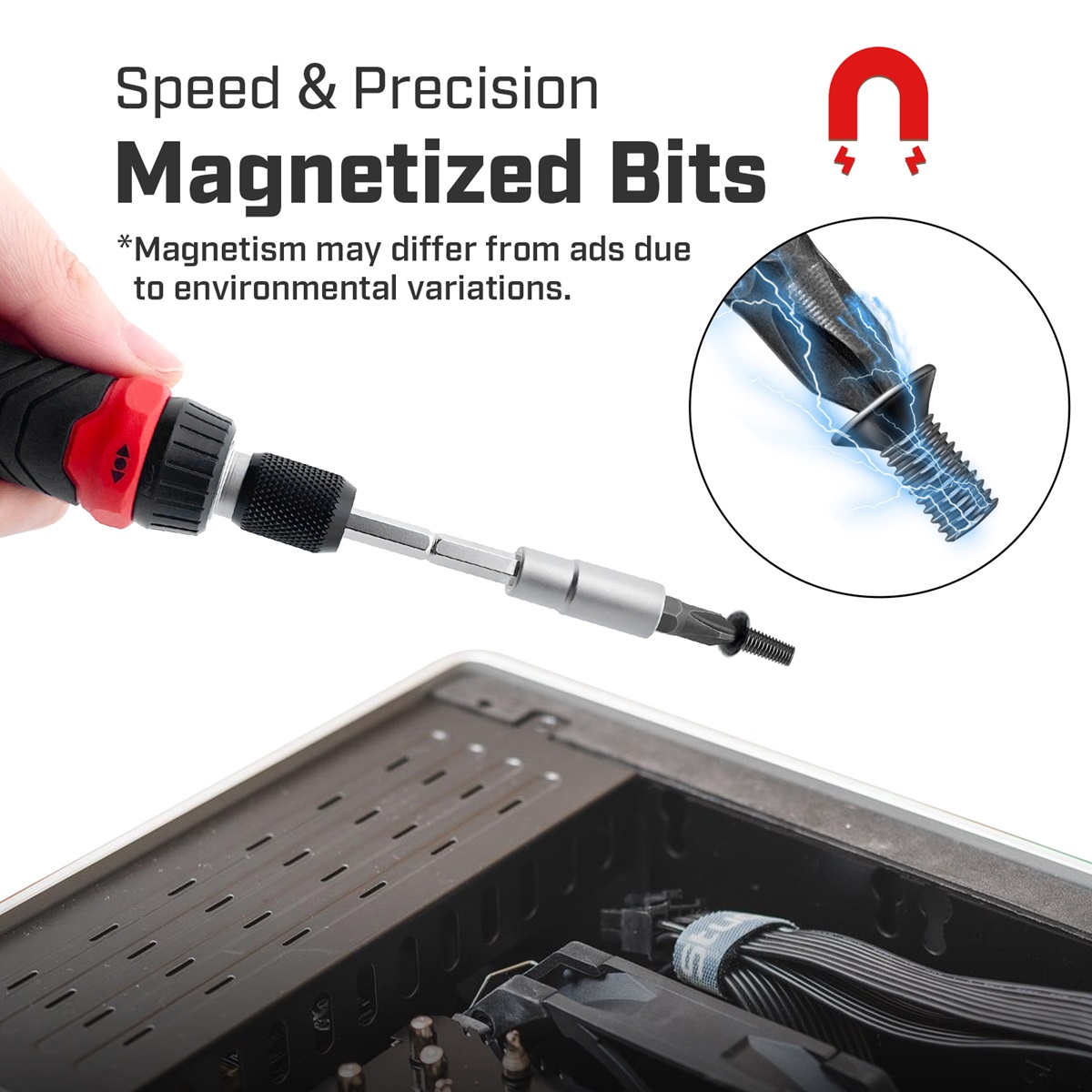
The magnetic property works by aligning the fastener with the tool’s tip, creating a secure connection before you even make contact with the screw head. This is particularly valuable when working overhead, in confined spaces, or with small fasteners that are easy to lose. Many professional-grade tools, including IRONCUBE’s magnetic screwdriver sets, incorporate this feature as standard equipment.
How the magnetic technology functions: The magnetization occurs during the manufacturing process, where the screwdriver tip undergoes a specialized treatment that creates a permanent magnetic field. Unlike electromagnets that require power, these permanent magnets remain active indefinitely and don’t wear out under normal use. The strength is engineered to be strong enough to hold fasteners but weak enough to allow easy removal when needed.
What Are Non-Magnetic Screwdrivers?
Non-magnetic screwdrivers are traditional tools without any magnetization. They rely entirely on the user’s grip, hand control, and the mechanical fit between the driver tip and the screw head to position and drive fasteners. These tools have been the standard in the industry for decades and continue to serve specific purposes in modern workshops.
Non-magnetic screwdrivers excel in environments where magnetism could be problematic. Electronics repair, medical device assembly, and work near sensitive equipment often require non-magnetic tools to prevent electromagnetic interference or accidental magnetization of components. The simplicity of these tools also means they’re often more affordable and don’t require specialized manufacturing processes.
Traditional construction: Non-magnetic screwdrivers are manufactured using standard steel or chrome-plated steel without any additional magnetization treatment. They’re often lighter in weight and can sometimes feel more responsive during use because there’s no magnetic field affecting the fastener or your control over it.
Key Differences Between Magnetic and Non-Magnetic Screwdrivers
| Feature | Magnetic Tip Screwdriver | Non-Magnetic Screwdriver |
|---|---|---|
| Fastener Retention | Holds screws securely to tip | Requires manual grip positioning |
| Ease of Use | Minimal fastener manipulation needed | Requires more hand dexterity |
| Speed of Work | Faster in most applications | Standard pace, requires focus |
| Lost Fastener Risk | Extremely low | Higher, especially in tight spaces |
| Cost | Moderate to premium pricing | Budget-friendly to moderate |
| Weight | Slightly heavier due to magnetization | Lighter construction |
| Application Compatibility | Most applications, avoid near electronics | All applications, especially electronics |
| Durability | Magnetic field permanent | Standard wear patterns |
| Environmental Tolerance | All environments except sensitive electronics | All environments including sensitive areas |
| User Skill Required | Beginner to advanced | Beginner to advanced |
Advantages of Magnetic Tip Screwdrivers
Increased Productivity and Efficiency
Working faster without interruptions becomes possible when your fasteners stay where you put them. A magnetic tip means you can position the screw with one hand while your other hand manages the device being repaired. This eliminates the frustrating moment when a screw falls from the tip mid-installation, forcing you to start over.
The time savings accumulate quickly during larger projects. Instead of repositioning screws repeatedly, you maintain workflow momentum. Professional technicians using IRONCUBE’s magnetic screwdriver solutions report completing tasks 15-20% faster compared to non-magnetic alternatives.
Reduced Frustration in Tight Spaces
Overhead work and confined areas present unique challenges. Whether you’re installing ceiling fixtures, working inside an appliance, or assembling furniture with limited access, magnetic retention proves invaluable. Your fastener won’t drop into walls, under cabinets, or into inaccessible mechanical spaces. This prevents expensive callbacks or the need to disassemble components to retrieve dropped screws.
Less Physical Strain
Reducing hand fatigue matters more than many people realize. When you can position a fastener magnetically without constantly balancing it on your driver tip, your hand experiences less tension and strain. The reduced need for precise finger positioning and gripping pressure allows you to work longer without fatigue-related mistakes.
Prevention of Fastener Loss
Never losing another screw during installation saves time and money. Professional environments calculate fastener loss as a percentage of project costs. By eliminating dropped or misplaced fasteners, magnetic tips reduce material waste and the expensive process of tracking down replacements mid-project.
Better Control During Assembly
Precise fastener positioning becomes simpler with magnetic retention. You can guide the screw exactly where it needs to go without worrying about it slipping off the tip. This proves especially valuable when working with delicate materials that can be scratched or when you’re working in situations where accuracy matters significantly.
Advantages of Non-Magnetic Screwdrivers
Compatibility with Sensitive Electronics
Protecting sensitive components from unwanted magnetization requires non-magnetic tools in specific situations. When working on hard drives, certain computer components, or medical devices, introducing magnetic fields could damage or alter the equipment. Electronics repair technicians often maintain dedicated non-magnetic tool sets for this reason.
Lower Cost Investment
Budget-conscious purchases benefit from non-magnetic screwdrivers, which typically cost less than their magnetic counterparts. If you only occasionally perform repairs and don’t regularly work in situations where fastener retention matters, spending less upfront makes financial sense.
Simpler Manufacturing Process
Standard production methods mean non-magnetic screwdrivers can be manufactured by virtually any tool maker. This creates robust competition and wider availability of options at different price points. You’ll find non-magnetic screwdrivers virtually everywhere tools are sold.
No Magnetism Concerns in Any Environment
Zero environmental restrictions apply to non-magnetic tools. You can use them anywhere without worrying about magnetic field effects on nearby equipment, components, or sensitive areas. This flexibility makes them suitable for any work environment without additional considerations.
Traditional Reliability
Time-tested performance means non-magnetic screwdrivers have been proven reliable across countless applications over many decades. Many professionals prefer traditional tools because they understand their limitations and how to work around them. The simplicity of non-magnetic construction eliminates potential issues related to magnetization strength or durability.
When to Use Magnetic Tip Screwdrivers
Household repairs and maintenance benefit greatly from magnetic retention. Assembling furniture, installing shelving, and fixing household appliances all present situations where dropped fasteners cause problems. IRONCUBE’s magnetic options provide the efficiency you need for these common tasks.
Professional construction and carpentry work almost always incorporates magnetic tools. Contractors working at heights, in confined spaces, or on time-sensitive projects appreciate the productivity gains. The small additional investment in quality magnetic screwdrivers pays for itself through faster completion times.
Automotive repair and maintenance frequently utilizes magnetic screwdrivers. Working inside engine compartments, under dashboards, and in other confined automotive spaces makes fastener retention essential. Professional mechanics typically include magnetic options in their comprehensive tool collections.
Electronics assembly and manufacturing environments use magnetic tools for non-sensitive work. Assembly line workers benefit from faster screw placement and reduced dropped fastener issues. The predictable, repetitive nature of assembly work makes magnetic tools especially valuable.
When to Use Non-Magnetic Screwdrivers
Computer and sensitive electronics repair often requires non-magnetic tools as a precaution. While most modern electronics are well-shielded, some technicians prefer eliminating any possibility of magnetic interference. Hard drive repair, in particular, has traditionally used non-magnetic tools exclusively.
Medical device assembly and repair frequently demands non-magnetic tools to maintain strict safety standards. Healthcare settings often specify non-magnetic equipment to prevent any potential electromagnetic effects on sensitive medical instruments or patient monitoring equipment.
Aerospace and precision instrumentation work often utilizes non-magnetic tools where specific manufacturing standards dictate their use. These specialized industries maintain strict equipment requirements, and non-magnetic options comply with their regulations.
Laboratory and research environments sometimes require non-magnetic tools to prevent any magnetic field influence on experiments or measurements. Scientific work demands this level of control over environmental factors.
Budget-conscious DIY projects where fastener loss isn’t a primary concern can reliably use non-magnetic screwdrivers. If you’re primarily working on projects where dropped fasteners are easily retrieved, the cost savings justify the choice.
IRONCUBE Magnetic Screwdriver Solutions
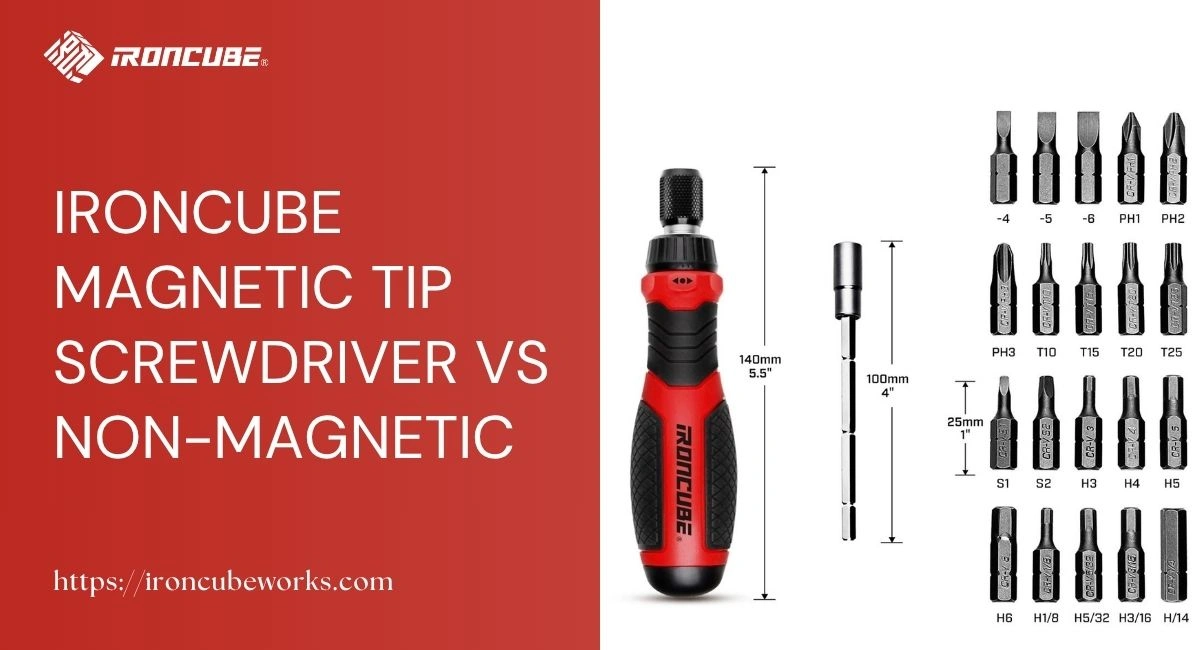
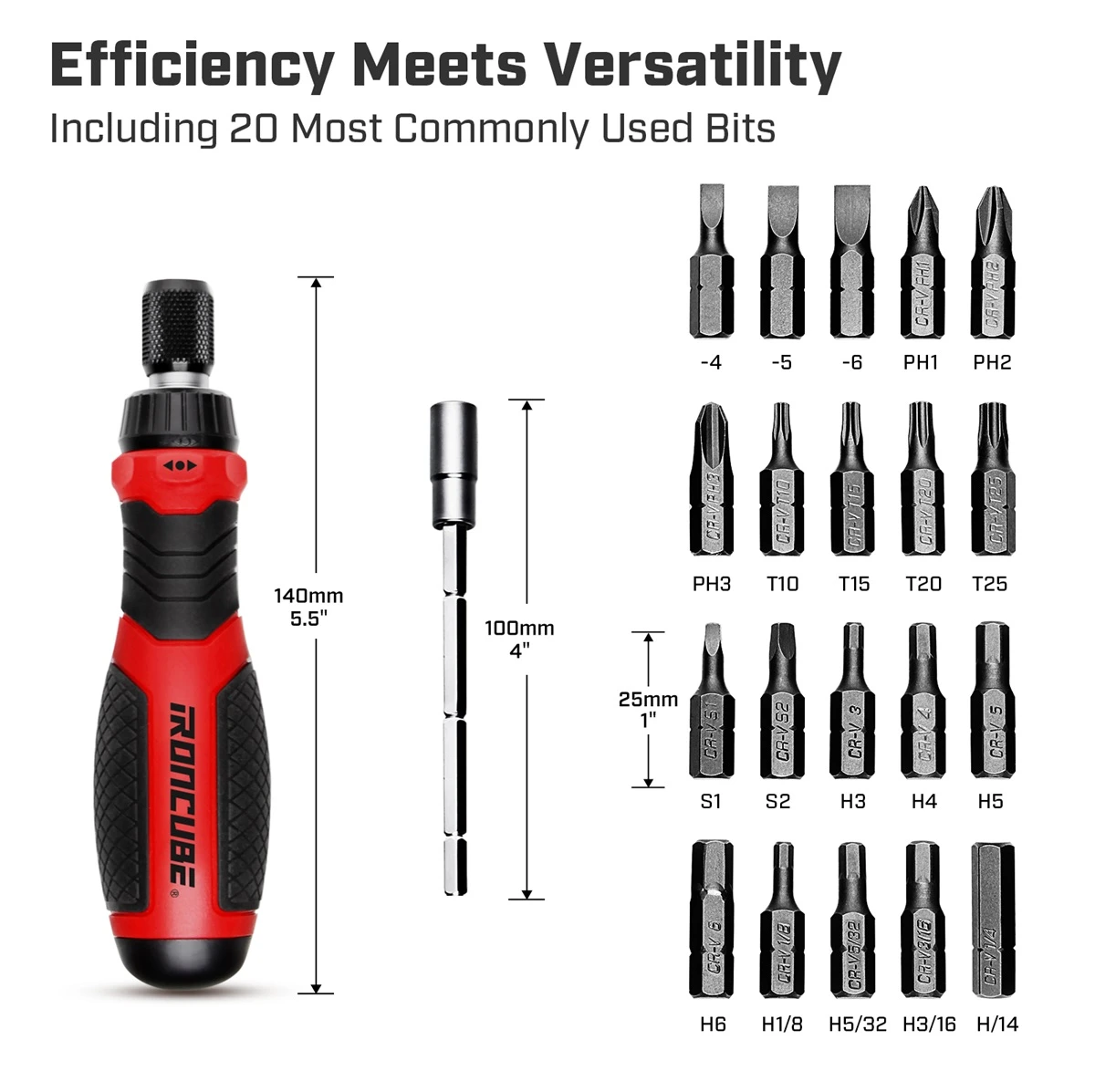
IRONCUBE specializes in designing tools that address real-world problems. Our 21-in-1 Ratchet Screwdriver Set combines magnetic tip functionality with versatile bit options, offering 21 different configurations to handle virtually any fastening task you’ll encounter.
The Multi Ratcheting Screwdriver Set expands functionality further by adding ratcheting capability. This feature allows one-handed operation in restricted spaces where you can’t rotate the entire tool—a game-changer for professionals working in confined areas. The magnetic tips retain fasteners securely while the ratcheting mechanism provides additional control.
Our IRONCUBE Ratcheting Screwdriver Set represents the premium option, engineered for professionals who demand maximum versatility and performance. Every component is selected for durability, and the magnetic tip maintains consistent strength throughout the tool’s lifetime. These sets are available through both our direct store and through established retailers for your convenience.
Performance Comparison in Real-World Scenarios
Scenario One: Installing Kitchen Cabinet Hardware
Installing magnetic catches and hinges requires precision and speed. With a magnetic tip screwdriver, you position the fastener, engage it with the magnet, and drive it home in one fluid motion. The screw doesn’t slip, ensuring perpendicular installation and preventing stripped holes. Non-magnetic alternatives require constant repositioning, especially when your other hand manages the cabinet door. The magnetic option saves approximately 5-10 minutes per cabinet through eliminated repositioning interruptions.
Scenario Two: Assembling IKEA Furniture
Large furniture assembly typically involves dozens of fasteners in confined spaces within the unit’s frame. Magnetic tools prevent fasteners from falling into internal cavities where they’re difficult or impossible to retrieve. The speed advantage becomes apparent when you’re installing 20+ fasteners—the cumulative time savings prove substantial. Magnetic screwdrivers complete typical furniture assembly 20-30% faster.
Scenario Three: Automotive Engine Compartment Work
Working inside engine compartments requires navigating around hoses, belts, and tight spaces. Dropped fasteners disappear into unreachable areas beneath the engine. Professional mechanics strongly prefer magnetic tools because the risk of losing fasteners in this environment is substantial. Non-magnetic alternatives lead to frequent work interruptions as fasteners fall and must be fished out or replaced.
Scenario Four: Electronics Repair
Hard drive replacement and similar electronics work strictly require non-magnetic tools in many situations. The magnetic field can potentially interfere with the drive’s operation or data integrity. In this scenario, non-magnetic screwdrivers aren’t optional—they’re mandatory for certain work. This represents one area where non-magnetic tools remain the absolute preferred choice.
Scenario Five: Overhead Ceiling Work
Installing ceiling fans or fixtures involves working against gravity with limited hand access. A magnetic tip means the fastener stays secure while you position it and engage it with your drill or screwdriver. Non-magnetic tools make this task significantly more difficult because you’re fighting gravity and fastener positioning simultaneously. Professionals installing electrical fixtures almost exclusively use magnetic tools for this reason.
Magnetic Strength Considerations and Safety
Appropriate magnetization levels matter significantly. Too weak a magnetic field fails to retain fasteners effectively; too strong a field makes fastener removal difficult or impossible. IRONCUBE products are engineered with the optimal magnetic strength that securely holds fasteners while allowing easy removal when needed.
The magnetic field only affects ferrous metals—fasteners made from stainless steel, aluminum, or plastic materials won’t magnetically retain to the tip. This is important information when working with non-ferrous fasteners, as magnetic screwdrivers provide no retention benefit in these situations.
Safety concerns related to magnetization are minimal for the user. The magnetic field is insufficient to cause harm to humans or interfere with heart pacemakers at normal distances. However, keep magnetic tools away from sensitive medical equipment and computer hard drives as discussed previously. IRONCUBE’s complete range of hand tools includes both magnetic and non-magnetic options, allowing you to select the appropriate tool for your specific situation.
Magnetic Tip Screwdriver Conversion Chart: Applications and Best Practices
| Work Environment | Magnetic Tip Recommended | Non-Magnetic Preferred | Notes |
|---|---|---|---|
| Home Repair & Maintenance | Yes | No | Magnetic tips dramatically reduce fastener loss and improve speed |
| Furniture Assembly | Yes | No | Prevents fasteners from disappearing into frame cavities |
| Electrical Installation | Yes | No | Overhead work requires secure fastener retention |
| Automotive Work | Yes | No | Engine compartment access demands magnetic retention |
| Kitchen Appliance Repair | Yes | No | Interior spaces make fastener loss costly and time-consuming |
| Carpentry & Construction | Yes | No | Professional requirements favor magnetic tools |
| Computer Repair | No | Yes | Hard drive protection requires non-magnetic tools |
| Medical Device Assembly | No | Yes | Sterile environments and equipment safety demand non-magnetic options |
| Hard Drive Data Recovery | No | Yes | Magnetic field can damage drive integrity |
| Precision Instrumentation | Case-by-case | Potentially | Depends on specific equipment magnetization concerns |
| Photography Equipment Repair | No | Yes | Camera shutters and mechanisms can be affected by magnetism |
| Luxury Watch Repair | No | Yes | Magnetic fields destroy watch movements and accuracy |
| Appliance Assembly (Manufacturing) | Yes | No | Production speed increases with magnetic retention |
| Budget DIY Projects | No | Yes | Lower-cost approach for non-critical work |
| Overhead Confined Space Work | Yes | No | Magnetic retention prevents gravity-related fastener loss |
Material Compatibility and Long-Term Durability
Stainless steel fasteners represent a special consideration. While magnetic tools do retain some stainless steel fasteners, retention strength varies significantly depending on the specific alloy composition. Austenitic stainless steel (the most common type) has lower magnetic properties than ferritic stainless steel. When working with stainless fasteners, magnetic tools may provide weaker retention than expected, making them less reliable than with standard steel fasteners.
Plated fasteners like zinc-plated, nickel-plated, or chrome-plated screws retain normally to magnetic tips since the underlying steel remains magnetic. The plating doesn’t significantly affect magnetic retention in practical applications.
Non-ferrous materials including aluminum, brass, and titanium fasteners won’t retain magnetically since these metals lack the ferrous properties required for magnetic attraction. In situations involving primarily non-ferrous fasteners, magnetic tools provide no advantage over traditional options.
Cost Analysis: Calculating True Tool Investment
Initial purchase price typically favors non-magnetic screwdrivers. A basic non-magnetic screwdriver might cost $5-15, while comparable magnetic options range from $15-40. For a complete set, non-magnetic tools might cost $40-80, while magnetic sets run $80-150. IRONCUBE’s premium magnetic sets represent premium investments but deliver exceptional value through extended productivity.
Long-term cost efficiency shifts the calculation significantly. Professional contractors calculate tool investment as a percentage of labor costs. If magnetic tools save 30 minutes per day across multiple projects, the time savings translate to substantial financial benefits. A $50 magnetic screwdriver investment returning 30 minutes of labor time daily pays for itself within one to two months in a professional setting.
Fastener replacement costs factor into the equation. Losing expensive fasteners or requiring additional trips to retrieve them from inaccessible areas increases project costs. Magnetic tools reduce this waste significantly, particularly in commercial or professional environments where fastener replacement involves inventory management overhead.
Professional Recommendations from IRONCUBE
Our team collaborates with contractors, technicians, and DIY enthusiasts to understand real-world tool requirements. The overwhelming consensus indicates that magnetic screwdrivers represent the superior choice for approximately 85% of applications.
The remaining 15% where non-magnetic tools are preferable involves specialized work with sensitive electronics, medical devices, or environments with specific magnetization restrictions. For these applications, maintaining dedicated non-magnetic options remains essential.
Hybrid approach: Many professionals maintain both magnetic and non-magnetic tools, selecting the appropriate option based on specific project requirements. This eliminates compromises and ensures you have exactly th
e right tool for every situation. For information about IRONCUBE’s customized tool solutions, our team can help you build the perfect kit for your needs.
Summary
Magnetic tip screwdrivers represent the better choice for the vast majority of users and applications. They improve work efficiency, reduce fastener loss, and decrease frustration during assembly and repair tasks. The modest additional investment yields substantial returns through time savings and reduced material waste.
IRONCUBE’s magnetic screwdriver solutions provide the quality, versatility, and reliability that professionals demand. Whether you choose our comprehensive 21-in-1 set or explore additional options through our Amazon store, you’re investing in tools engineered for real-world performance.
Selective situations warrant non-magnetic tools. If your work involves sensitive electronics, medical devices, or other specialized equipment, maintaining dedicated non-magnetic screwdrivers protects both your tools and your work. The small investment in a non-magnetic set for these applications provides necessary peace without compromise.
The practical recommendation: Most household and professional users benefit from primarily using magnetic screwdrivers while maintaining a small selection of non-magnetic tools for specialized situations. This balanced approach ensures you always have the optimal tool available, eliminating compromises regardless of your project requirements.
For comprehensive tool solutions tailored to your specific needs, visit IRONCUBE’s website or explore our complete hand tool collection. Our team stands ready to help you build the perfect toolkit for your requirements.