In heavy industrial environments, tools are not just accessories. They are productivity drivers, safety equipment, and long-term investments. Among these tools, the friction wrench stands out as a specialized solution for handling oversized nuts, bolts, and fittings where traditional spanners fail.
But not all friction wrenches are created equal. Some deliver decades of dependable service, while others wear out prematurely or compromise operator safety. Knowing what makes a quality friction wrench can save money, reduce downtime, and improve performance across demanding applications.
This guide explains the critical features that separate a professional-grade friction wrench from an average one, with real-world insights drawn from industrial use, mechanical engineering principles, and modern manufacturing standards.
What a Friction Wrench Really Is
A friction wrench is a specialized hand tool designed to grip large fasteners using surface contact and friction rather than fixed jaws. Unlike adjustable or open-end wrenches, friction wrenches rely on precision-machined contact surfaces to distribute torque evenly across a nut or bolt.
According to the technical definition of a wrench outlined by authoritative mechanical references like the Wikipedia wrench overview, friction-based tools are engineered to reduce rounding, slippage, and uneven force distribution during high-torque applications.
Industries that commonly rely on a friction wrench include oil and gas, heavy equipment maintenance, shipbuilding, wind energy, structural steel installation, and large-scale agriculture.
The Friction Wrench Technology
A friction wrench operates on a simple yet brilliant principle: it uses friction between specially designed jaws and the fastener to create a secure grip that doesn’t rely solely on mechanical interlocking. Unlike traditional wrenches that can slip and round off nut edges, a well-designed friction wrench distributes force more evenly, reducing the risk of damage to both the tool and the fastener.
The technology behind these tools has evolved significantly since their introduction. Early friction wrenches were basic in design but offered the fundamental advantage of better grip. Modern versions, like those available at IronCube Works, incorporate advanced materials and precision engineering to enhance performance and durability.
According to mechanical engineering research, friction wrenches can increase torque application efficiency by up to 30% compared to conventional wrenches when working with large or stubborn fasteners. This efficiency gain translates directly to time saved and reduced physical strain on the user.
Features of a Quality Friction Wrench
Material Composition and Durability
The foundation of any exceptional friction wrench lies in its construction materials. Premium models typically use high-grade chrome vanadium steel or alloy steel that offers both strength and flexibility. This combination allows the wrench to withstand significant torque without deforming while providing just enough give to prevent sudden breakage under extreme pressure.
Heat treatment processes further enhance the material properties, creating a tool that resists wear and maintains its calibration over time. Quality friction wrenches often feature protective coatings such as black oxide or chrome plating, which not only provide corrosion resistance but also reduce friction during operation.
The heavy-duty friction wrench from IronCube Works exemplifies this approach, using industrial-grade materials that ensure longevity even with daily use in demanding environments.
Jaw Design and Grip Strength
The jaw design is perhaps the most critical feature distinguishing an average friction wrench from an exceptional one. Quality wrenches feature precisely engineered jaw surfaces that maximize contact area with the fastener. This increased contact distributes force more evenly, reducing the risk of rounding off nuts or bolts.
Advanced friction wrenches incorporate specialized jaw patterns, often with micro-grooves or textured surfaces that enhance grip without causing damage. The angle of the jaws also plays a crucial role – optimal designs typically feature a 15-degree offset that allows for better access in confined spaces while maintaining mechanical advantage.
Some premium models, like the friction wrench set, offer interchangeable jaw faces that can be customized for specific applications, providing versatility without compromising on grip quality.
Ratcheting Mechanism Quality
While traditional friction wrenches required complete removal and repositioning after each partial turn, modern designs often incorporate ratcheting mechanisms that significantly improve efficiency. The quality of this ratcheting system directly impacts the tool’s performance and longevity.
A superior ratcheting friction wrench features fine-tooth mechanisms (typically 72 teeth or more) that allow for smaller arc swings, which is particularly valuable in tight spaces. The pawl and gear system should be constructed from hardened steel to prevent wear, and the mechanism should operate smoothly without excessive play or resistance.
The torque friction wrench models demonstrate how a well-designed ratcheting system can combine the grip benefits of friction technology with the convenience of ratcheting action, creating a tool that excels in both performance and usability.
Size and Capacity Range
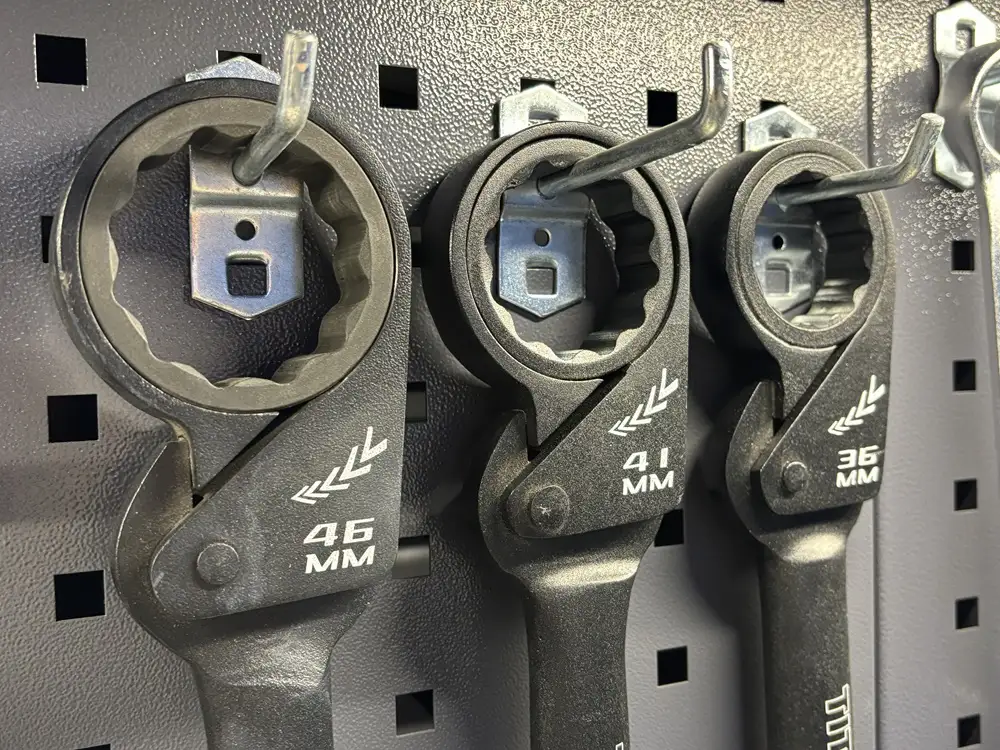
Quality friction wrenches come in a range of sizes to accommodate different fastener dimensions. For professional use, having access to a comprehensive size range is essential. Industrial applications often require larger sizes than standard wrench sets provide, with some specialized friction wrenches accommodating nuts up to 4 inches or more in diameter.
The 41mm jumbo ratchet spanner represents the upper end of this spectrum, designed specifically for heavy equipment and large industrial machinery. At the other end, smaller friction wrenches provide precision for more delicate applications.
A quality manufacturer will offer clear sizing information and compatibility charts, ensuring users can select the right tool for their specific needs. The wrenches category at IronCube Works provides a comprehensive overview of available sizes and their recommended applications.
Ergonomics and Comfort
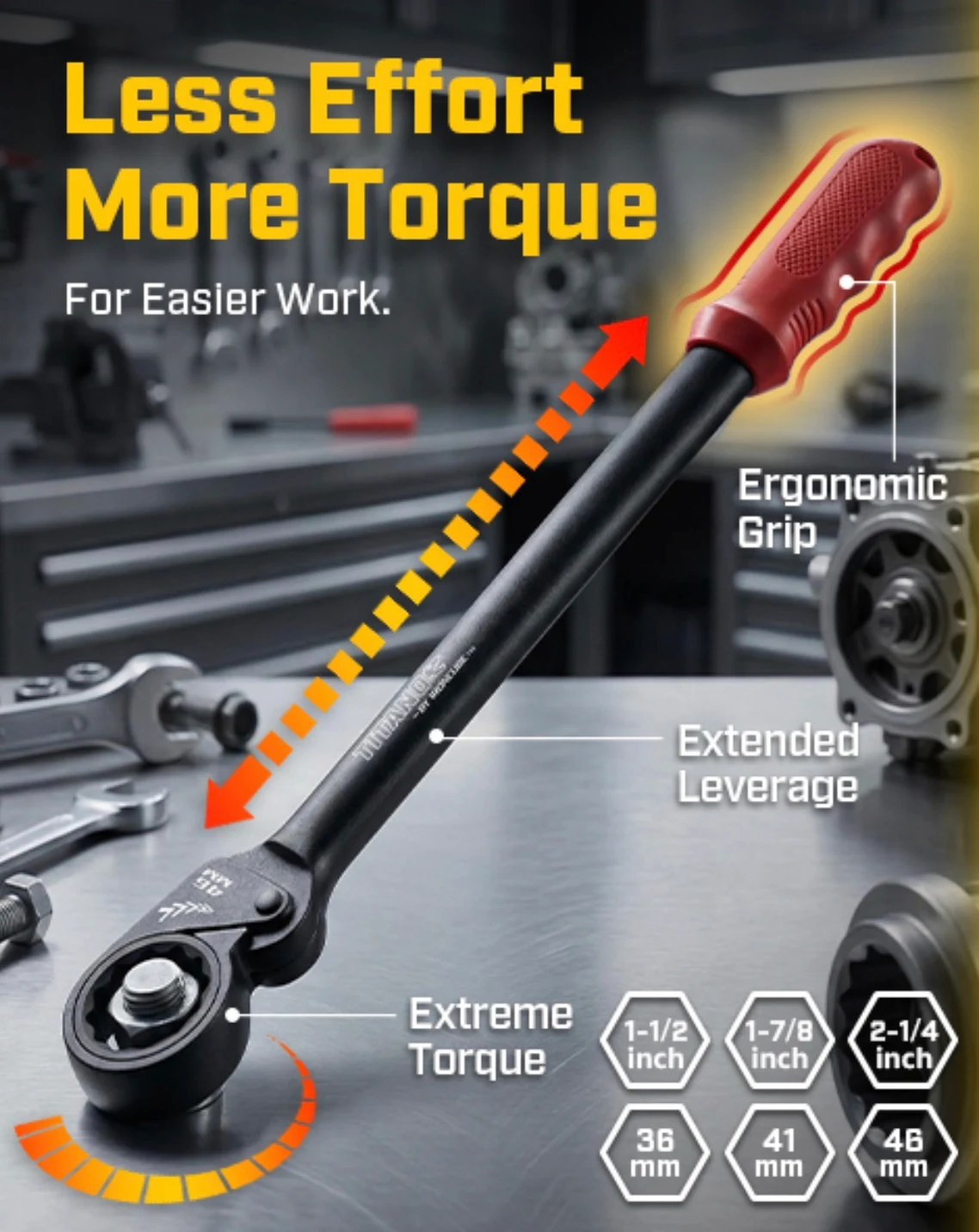
Even the most technically advanced friction wrench becomes frustrating to use if it’s not designed with human factors in mind. Ergonomic considerations include handle shape, weight distribution, and surface texture.
Premium friction wrenches feature handles with contours that fit naturally in the hand, reducing fatigue during extended use. The weight should be balanced to provide sufficient mass for momentum while not causing strain. Some advanced models incorporate vibration-dampening materials that reduce the transmission of shock to the user’s hands and arms.
The design should also consider how the tool will be used in real-world conditions – for instance, allowing for a secure grip even when wearing work gloves. These seemingly small details can make a significant difference in user experience and productivity over time.
Applications of Friction Wrenches in Different Industries
The versatility of a quality friction wrench makes it valuable across numerous industries. In automotive repair, these tools excel at removing lug nuts and engine components that may have been subjected to heat and corrosion, making them difficult to remove with conventional tools.
Construction professionals rely on friction wrenches for structural assembly where precise torque application is crucial. The non-slip nature of these tools provides confidence when working on critical connections that must withstand significant loads.
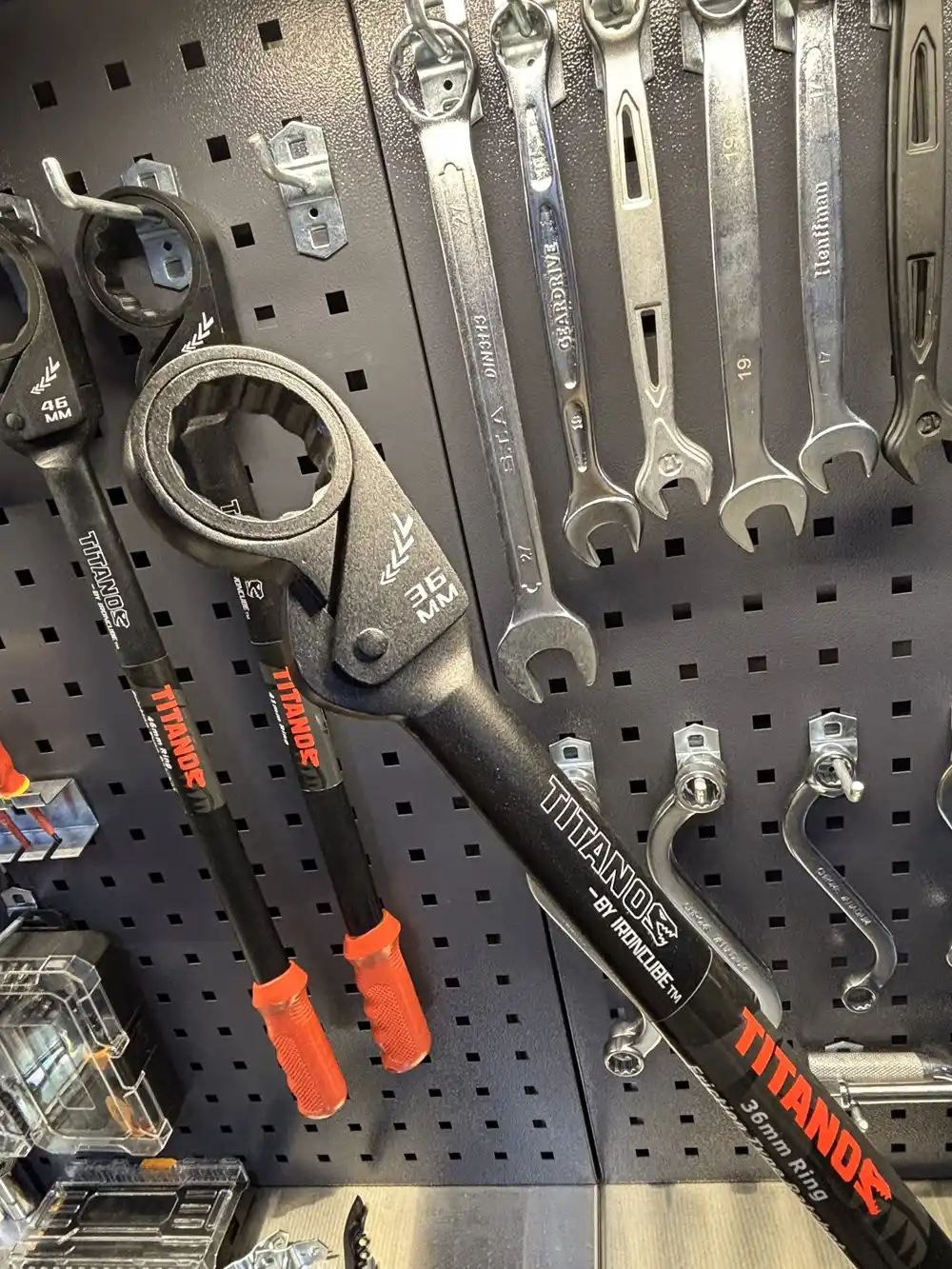
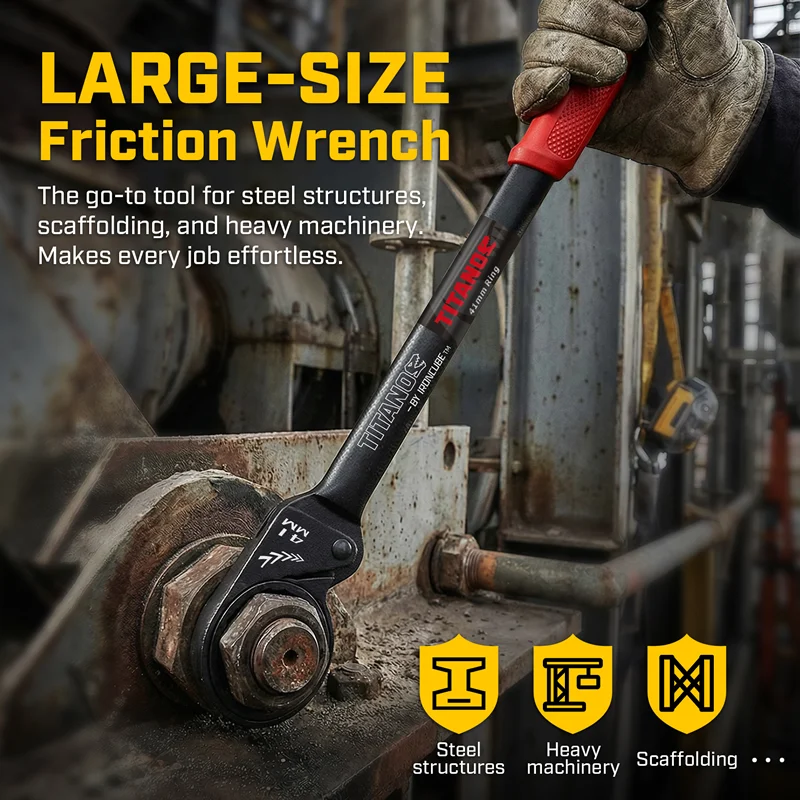
Industrial maintenance teams find friction wrenches indispensable for servicing heavy machinery where fasteners are often oversized and subjected to extreme forces. The heavy-duty flex-head ratchet wrench set is particularly popular in these environments for its ability to access difficult-to-reach fasteners.
Agricultural equipment repair presents unique challenges, with fasteners often exposed to the elements and subjected to vibration. The jumbo ratcheting wrench set for agriculture addresses these specific needs with features designed for outdoor, heavy-duty applications.
Friction Wrenches to Other Wrench Types
When considering tool investments, it’s helpful to understand how a friction wrench compares to other available options. Unlike open-end wrenches that only make contact at two points, friction wrenches distribute force across a larger surface area, reducing the risk of fastener damage.
Compared to box-end wrenches, friction wrenches offer similar security but with the advantage of quicker engagement and disengagement. This efficiency becomes significant when working with multiple fasteners.
Adjustable wrenches provide versatility but often sacrifice grip security in the process. A properly sized friction wrench offers superior torque application without the slippage common with adjustable designs.
Socket wrenches excel in certain applications but require more space to operate. The compact profile of a friction wrench makes it ideal for confined spaces where socket tools cannot fit. For those interested in comparing different options, the big ratchet wrench for heavy equipment article provides detailed insights into specialized applications.
How to Choose the Right Friction Wrench for Your Needs
Selecting the ideal friction wrench requires careful consideration of your specific applications. Begin by assessing the typical size range of fasteners you work with regularly. For most professionals, investing in a set that covers their most common applications is more economical than purchasing individual pieces.
Consider the environment in which you’ll be using the tool. For outdoor or corrosive environments, prioritize models with enhanced corrosion protection. If you frequently work in confined spaces, look for designs with compact profiles and offset heads.
Budget considerations are important, but remember that with tools, quality typically correlates with longevity and performance. A premium friction wrench may cost more initially but can provide decades of reliable service, making it a better long-term investment.
For those purchasing in bulk for teams or organizations, the guide to finding quality wholesale jumbo wrench sets offers valuable insights on maximizing value while maintaining quality standards.
Top Friction Wrench Models in the Market
The market offers numerous options when it comes to friction wrenches, but some models stand out for their exceptional quality and performance. The 1-1/2 inch heavy-duty ratcheting spanner from IronCube Works has earned recognition for its robust construction and reliable performance in industrial applications.
For those needing larger capacity, the 2-1/4 inch friction wrench provides impressive torque capabilities while maintaining the precision expected from a quality tool. Its extended handle design offers additional leverage for particularly stubborn fasteners.
Specialized applications benefit from models like the 1-7/8 inch friction wrench, which features a unique jaw geometry optimized for specific industrial fittings. These specialized tools demonstrate how targeted design can enhance performance for particular use cases.
For those interested in exploring a broader range of options, the Amazon store offers a comprehensive selection of friction wrenches and related tools with customer reviews that can inform purchasing decisions.
Expert Tips for Maximizing Your Friction Wrench Performance
To get the most out of your friction wrench, experts recommend several best practices. First, always ensure proper sizing – a wrench that’s too large or too small won’t provide optimal grip and may damage the fastener.
When applying torque, use smooth, consistent pressure rather than sudden jerks. This approach maximizes the friction engagement and reduces the risk of slippage. For particularly stubborn fasteners, applying penetrating oil and allowing it to work can reduce the required force.
For those new to friction wrenches, the guide on how to use flex-head ratchet wrench sets safely provides valuable safety information and proper technique guidelines.
Professional mechanics often recommend using a torque wrench in conjunction with a friction wrench for applications requiring precise torque specifications. The friction wrench can break loose stubborn fasteners, while the torque wrench ensures proper tightening to manufacturer specifications.
For automotive applications, the article on how flex-head ratchet wrench sets save time on auto repairs offers specific techniques that can significantly improve efficiency.
Conclusion
A quality friction wrench is more than just another tool in your collection – it’s an investment in efficiency, precision, and professional results. By understanding the key features that distinguish exceptional models, you can make an informed decision that will serve you well for years to come.
From material composition to jaw design, ratcheting mechanism to ergonomic considerations, each element plays a crucial role in the tool’s performance. When these factors are optimized, as in the premium models available from IronCube Works, the result is a tool that not only makes your work easier but also enhances the quality of your results.
Whether you’re a professional mechanic, industrial maintenance technician, or serious DIY enthusiast, adding a quality friction wrench to your toolkit represents a step up in capability and professionalism. For specific questions or personalized recommendations, the contact page provides access to experts who can help you find the perfect tool for your needs.
FAQs
What makes a friction wrench different from a standard wrench?
A friction wrench uses controlled friction and leverage rather than fixed jaws, allowing better grip on large or irregular fasteners without slippage.
How long does a quality friction wrench typically last?
With proper use, a high-quality friction wrench made from alloy steel can last several years, even in industrial environments.
Can a friction wrench handle high torque applications safely?
Yes, a well-designed friction wrench distributes torque evenly, making it suitable for high-load applications when used correctly.
Is a ratcheting friction wrench better for tight spaces?
A friction wrench with a fine-tooth ratcheting mechanism allows controlled movement in confined areas, improving efficiency.
Are friction wrenches suitable for agricultural machinery?
Absolutely. A durable friction wrench performs well on large agricultural fasteners exposed to dirt and moisture.