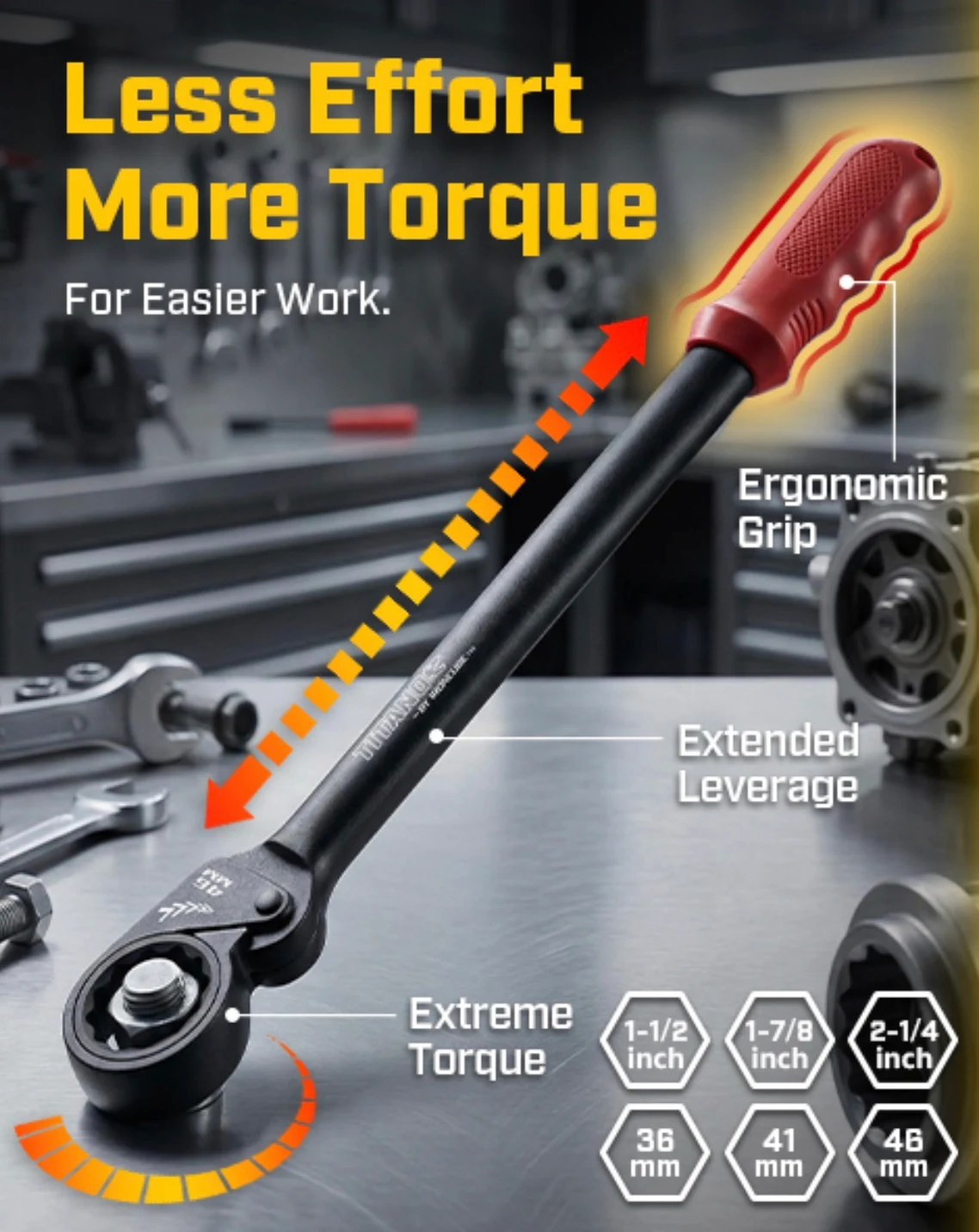
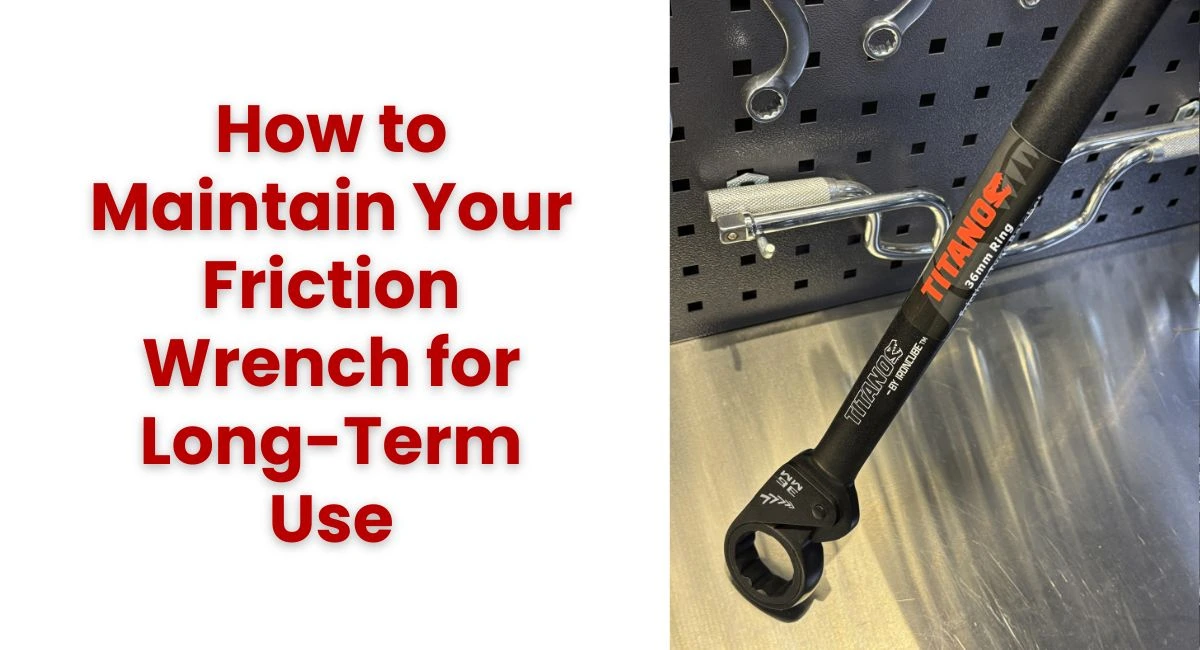
A friction wrench is not just another hand tool tossed into a toolbox. In heavy industries like oil & gas, construction, agriculture, shipyards, and large-equipment maintenance, it plays a critical role in tightening and loosening oversized nuts where precision, safety, and torque control matter most. Because of the intense force and harsh working conditions these tools face, proper maintenance is the single biggest factor that determines how long your friction wrench will last.
Many professionals replace friction wrenches far earlier than necessary—not because the tool is poorly made, but because it wasn’t maintained correctly. Dust, moisture, metal debris, and improper storage slowly degrade performance, reduce accuracy, and increase safety risks. According to industrial tool lifecycle studies, well-maintained hand tools can last 40–60% longer than neglected ones, even under heavy daily use.
This in-depth guide explains how to maintain your friction wrench for long-term use, using practical, field-tested advice. Whether you own a single heavy-duty wrench or manage an entire workshop inventory, this article will help you protect your investment and keep your friction wrench performing like new.
For premium industrial tools and expert resources, visit Iron Cube Works—a trusted name in professional-grade wrenches.
How a Friction Wrench Works
Before discussing maintenance, it helps to understand how a friction wrench functions. Unlike traditional fixed or adjustable wrenches, a friction wrench relies on controlled resistance and ratcheting mechanics. The internal components transfer torque smoothly while reducing slippage on large nuts and bolts.
A detailed overview of wrench types and mechanics can also be found in this technical explanation of wrenches, which highlights how modern industrial tools evolved for high-torque applications.
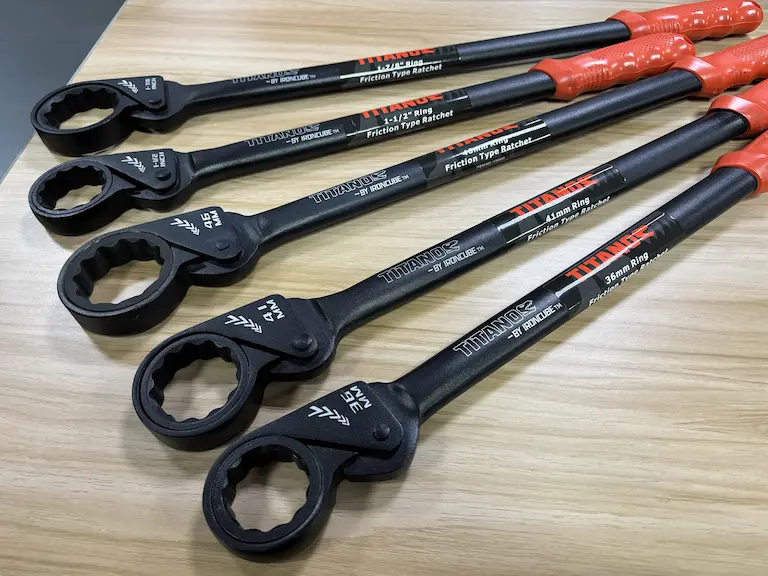
Because friction wrenches operate under extreme stress, their internal mechanisms are sensitive to contamination, wear, and misalignment. Even a small buildup of grime can compromise grip efficiency or torque accuracy over time.
Essential Maintenance Practices
Regular Cleaning Procedures
The foundation of any good maintenance routine begins with regular cleaning. Your friction wrench is exposed to dirt, grease, metal shavings, and other contaminants during normal use. If left unattended, these particles can work their way into the internal mechanisms, causing premature wear and reduced performance.
After each use, take a few minutes to wipe down your friction wrench with a clean cloth. For more thorough cleaning, use a mild degreaser and a small brush to remove stubborn grime from the jaws and ratcheting mechanism. Pay special attention to the adjustment mechanism, as this area is particularly susceptible to debris accumulation.
For friction wrenches used in particularly harsh environments, consider a more thorough cleaning weekly. This involves disassembling (if your model allows) the wrench components and cleaning each part individually. Always refer to your manufacturer’s guidelines before disassembly to avoid damaging your tool.
Proper Storage Techniques
How you store your friction wrench when not in use can significantly impact its lifespan. Exposure to moisture, extreme temperatures, and corrosive elements can quickly degrade even the highest-quality tools.
Ideally, store your friction wrench in a dry, climate-controlled environment. If you work in humid conditions, consider adding silica gel packets to your toolbox to absorb excess moisture. For professional workshops, investing in a tool cabinet with climate control can significantly extend the life of all your tools, including your friction wrench.
When storing multiple wrenches, avoid stacking them directly on top of each other, as this can cause alignment issues and damage to the adjustment mechanisms. Instead, use a wrench rack or individual tool holders to keep each wrench properly supported and separated.
Inspection Guidelines
Regular inspections are crucial for catching potential issues before they become major problems. Set aside time monthly to thoroughly inspect your friction wrench for signs of wear or damage.
Check the jaws for signs of rounding or excessive wear. The gripping surfaces should be sharp and well-defined. Look for any cracks or deformities in the metal body, particularly around the adjustment mechanism. Test the ratcheting action to ensure it moves smoothly in both directions without skipping or binding.
Pay attention to any changes in how the wrench feels during use. If you notice increased resistance, unusual noises, or decreased gripping power, these may be early signs of internal issues that require attention.
Cleaning Your Friction Wrench the Right Way
Cleaning is one of the most overlooked steps in friction wrench care. Dirt and metal particles act like abrasives, accelerating wear inside the mechanism.
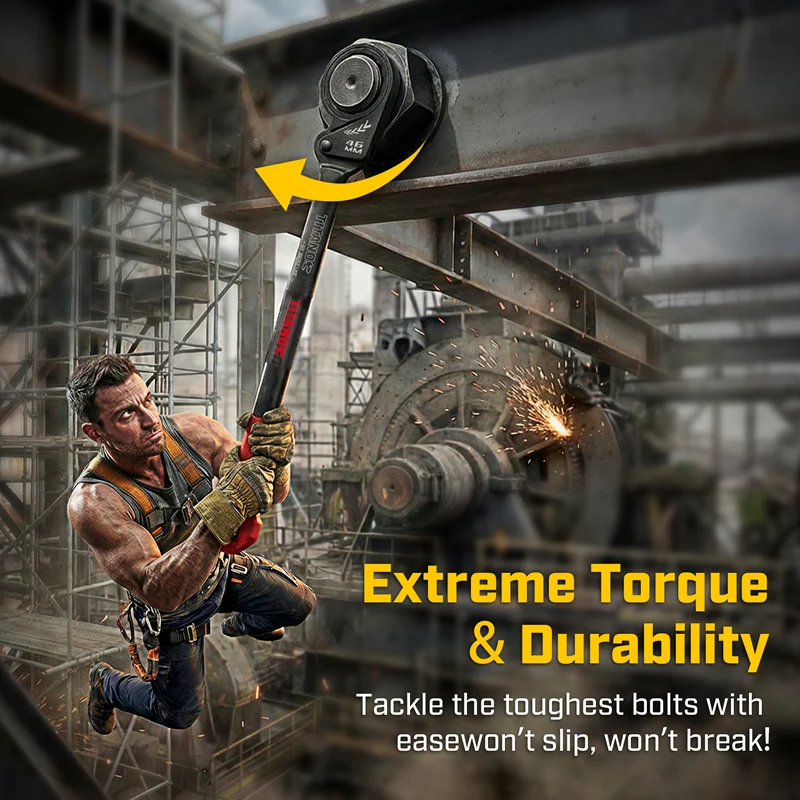
After each use, wipe down the wrench with a clean, dry cloth. For tougher grime, a slightly damp cloth works well, but avoid soaking the tool. Moisture can seep into internal components and cause corrosion.
For workshops operating in dusty or oily environments, weekly deep cleaning is recommended. Use a mild industrial degreaser applied sparingly, followed by thorough drying. Never use harsh solvents that may strip protective coatings.
Consistent cleaning is especially important for large-format tools like jumbo friction wrenches, which are frequently exposed to debris during agricultural or industrial work. Related insights can be found in jumbo ratcheting wrench maintenance for agriculture.
Extending Tool Life Through Smart Usage
Maintenance matters, but how you use your friction wrench also affects its longevity. A few usage practices help maximize service life.
Match the tool to the task. Using an undersized friction wrench on large fasteners stresses components beyond design limits. Conversely, using oversized tools on small fasteners reduces feel and control. Select the appropriate size for each application. For large fasteners, options like the 2-1/4 inch friction wrench handle substantial loads safely.
Avoid cheater bars when possible. Extending handle length with pipes or bars multiplies the force applied to internal components. While quality tools tolerate occasional overload, regular use of cheater bars accelerates wear dramatically. If you consistently need more leverage than your friction wrench provides, consider upgrading to a larger tool or using a dedicated torque multiplier.
Don’t use wrenches as hammers. This should go without saying, but many tools show evidence of being struck. Impact loading damages the ratcheting mechanism and can crack hardened steel components. Keep a hammer for hammering tasks.
Apply force smoothly. Jerky or sudden force application shocks the ratcheting mechanism and increases wear. Smooth, steady pressure produces the same torque output with less stress on internal components. This becomes especially important when dealing with stubborn fasteners that require significant force.
When to Replace Rather Than Repair
Every tool eventually wears out. Knowing when your friction wrench has reached the end of its useful life prevents safety hazards and frustration from using compromised equipment.
Visible cracks in the head, jaws, or handle indicate immediate replacement need. Cracked tools can fail catastrophically under load, creating serious injury risk. Any tool showing cracks should be retired regardless of other condition factors.

Excessive jaw wear that prevents reliable grip signals replacement time. If you’ve cleaned the jaws thoroughly and still experience frequent slippage, the serrations have worn beyond useful limits. Continuing to use the tool risks rounding fasteners and unexpected slips.
Ratchet mechanisms that skip persistently after cleaning and lubrication have internal wear requiring attention. If replacement parts aren’t available or the repair cost approaches replacement cost, new tools make more sense.
Bent or deformed components indicate the tool has been overloaded or damaged. Even if the tool still functions, bent components may fail unexpectedly under future loads. Replace any tool showing deformation.
When replacement becomes necessary, explore comprehensive options at IRONCUBE’s wrench collection. Understanding how to select the best 10-piece ratchet wrench set helps when building or expanding your toolkit.
Building Good Habits Takes Time
Developing consistent maintenance habits doesn’t happen overnight. Start with the daily wipe-down routine, which takes just seconds but provides significant protection. Once that becomes automatic, add weekly cleaning to your schedule. Monthly deep maintenance follows naturally as you become more familiar with your tools.
The professionals who get the longest service from their friction wrench tools didn’t start with perfect maintenance habits. They built those habits gradually, learning from experience which practices provide the best return on time invested. You can do the same, improving your maintenance routine incrementally until proper tool care becomes second nature.
For those building comprehensive tool collections, understanding related tools like flex head ratchet wrench sets for industrial use and learning how to use flex head ratchet wrenches safely expands your capabilities while applying similar maintenance principles.
Consider also exploring big ratchet wrenches for heavy equipment and learning how flex head ratchet wrenches save time on auto repairs to round out your knowledge.
For convenient purchasing options, IRONCUBE maintains an Amazon storefront featuring their complete range, including the popular 53-piece ratcheting tool set. Those purchasing in quantity can benefit from guidance on finding quality wholesale jumbo wrench sets.
Summary
Proper maintenance of your friction wrench is essential for ensuring its longevity and reliable performance. By implementing regular cleaning procedures, proper storage techniques, and appropriate lubrication, you can significantly extend the life of this valuable tool.
Regular inspections allow you to catch potential issues early, before they develop into major problems. When issues do arise, understanding basic troubleshooting techniques can help you determine whether you can address the problem yourself or if professional repair is needed.
Remember that how you use your friction wrench matters just as much as how you maintain it. Using the right tool for the job, applying torque properly, and avoiding modifications not designed for your specific model all contribute to the tool’s longevity.
Whether you’re a professional mechanic or a dedicated DIY enthusiast, investing time in proper maintenance of your friction wrench will pay dividends in reliable performance and tool longevity. For quality friction wrenches and professional advice on tool maintenance, visit IronCube Works where you’ll find a comprehensive selection of wrenches designed for both professional and home use.
FAQs
How often should I clean my friction wrench?
For heavy use, clean your friction wrench after each workday to remove debris. For lighter use, weekly cleaning is usually sufficient to maintain smooth operation.
What type of lubricant is best for a friction wrench?
A light machine oil is ideal for lubricating a friction wrench, as it protects internal components without attracting excessive dust or grime.
Can rust permanently damage a friction wrench?
Yes, untreated rust can spread internally and weaken a friction wrench, reducing torque accuracy and increasing the risk of failure.
Is it safe to use a damaged friction wrench?
Using a damaged friction wrench is unsafe and can lead to slippage or injury. Stop using it immediately and inspect or replace the tool.
Does proper storage really extend friction wrench life?
Absolutely. Dry, protected storage prevents corrosion and deformation, significantly extending the lifespan of a friction wrench.