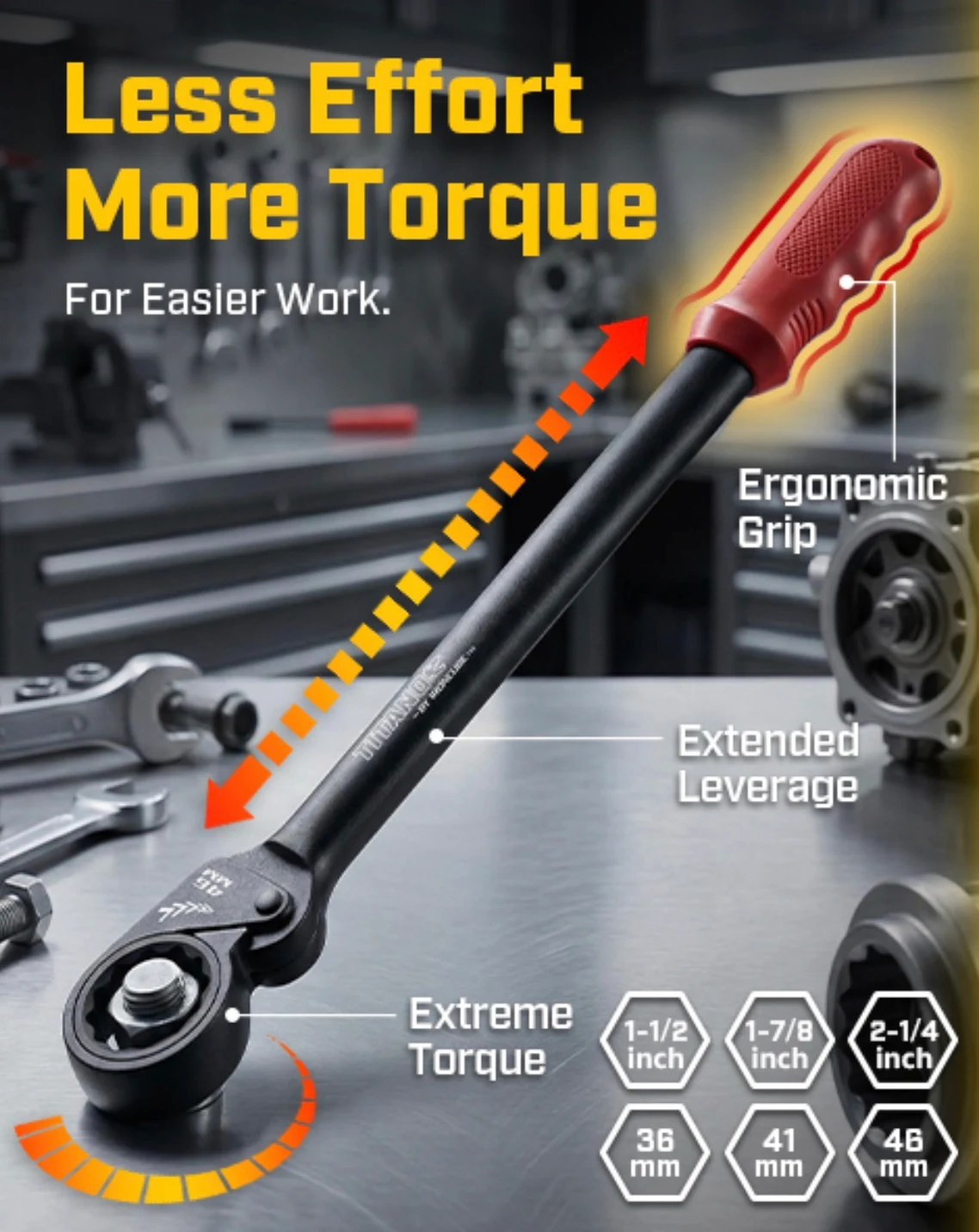
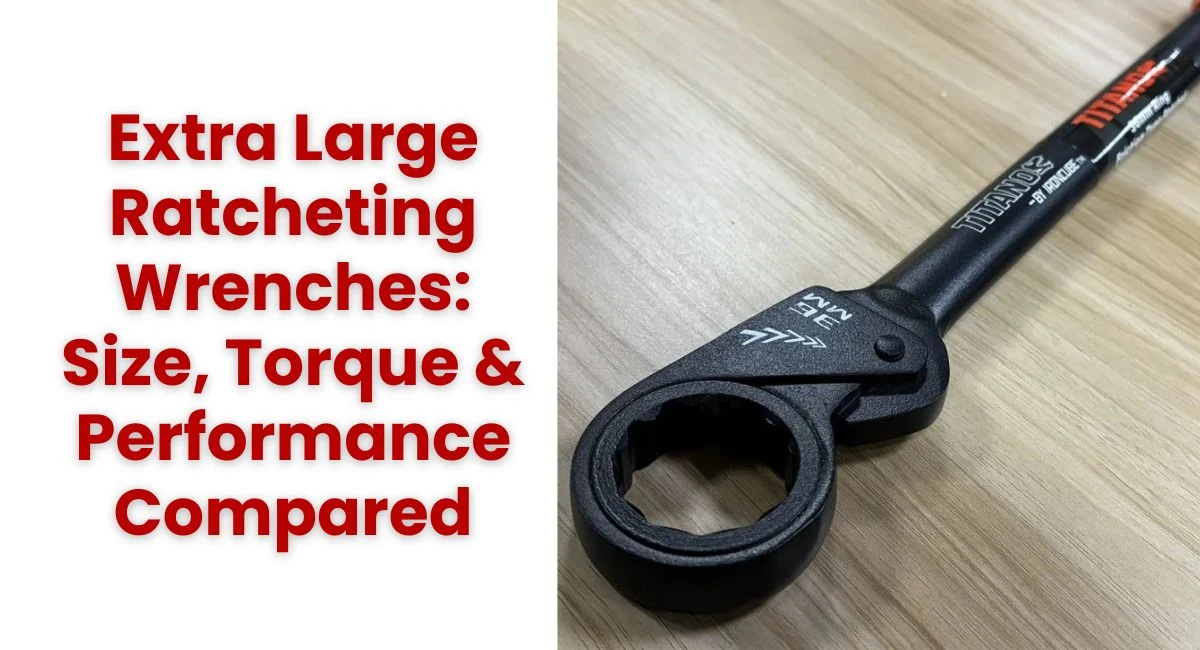
When heavy machinery, industrial equipment, or large-scale automotive systems require maintenance, standard tools often fall short. Extra Large Ratcheting Wrenches are specifically designed to handle high-torque applications, oversized fasteners, and challenging working conditions. These powerful tools improve productivity, reduce operator fatigue, and enhance precision during demanding mechanical tasks.
Professionals across construction, heavy equipment maintenance, energy production, and large automotive workshops rely on oversized ratcheting systems for efficiency. Understanding how size, torque capacity, and performance differ can help buyers make informed decisions.
This guide breaks down everything that matters when you compare extra-large ratcheting wrenches side by side: jaw capacity, effective torque output, ratchet tooth count, material composition, handle length, and real-world performance. We will also look at how IRONCUBE’s lineup stacks up against the competition. If you want to skip straight to product options, browse the full IRONCUBE wrench collection here.
What Are Extra Large Ratcheting Wrenches?
Extra Large Ratcheting Wrenches are heavy-duty fastening tools engineered for large nuts and bolts typically found in industrial environments. Unlike conventional wrenches, these tools incorporate a ratcheting mechanism that allows continuous motion without removing the tool from the fastener.
This mechanism significantly speeds up work in confined or hard-to-reach spaces. Professionals working on cranes, agricultural machinery, rail infrastructure, and mining equipment often prefer ratcheting designs because they reduce repetitive repositioning.
Why Size Matters in Extra Large Ratcheting Wrenches
Working with Oversized Fasteners
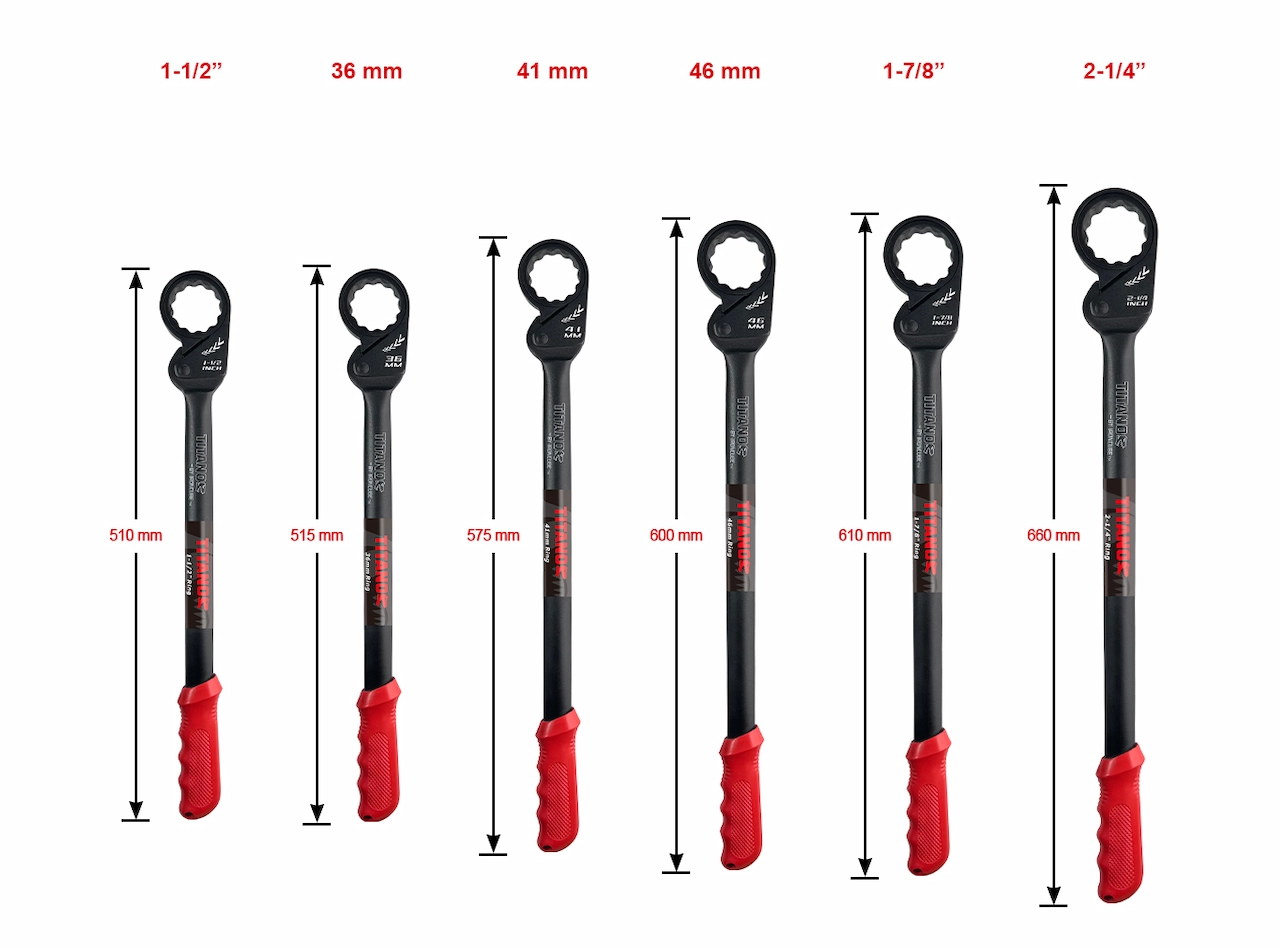
Heavy equipment uses large fasteners because they must withstand extreme loads and vibrations. A standard wrench cannot generate sufficient leverage or grip. Extra Large Ratcheting Wrenches typically range from 32mm to over 60mm in size, making them suitable for industrial-grade applications.
Larger wrench heads provide increased contact surface. This reduces the risk of rounding fasteners or slipping during high-torque operations.
Length and Leverage
The length of the wrench directly influences torque output. Longer handles allow technicians to apply greater force with less effort. This design also improves safety by reducing sudden tool movement during fastening or loosening.
To see extra-large heavy-duty ratcheting wrench designs tailored for demanding jobs,
Torque Capacity Explained
High Torque for Heavy-Duty Work
Torque is the rotational force required to tighten or loosen fasteners. Industrial environments often demand torque values exceeding 400 Nm. Extra Large Ratcheting Wrenches are engineered with reinforced steel alloys and advanced ratcheting systems to deliver this performance reliably.
Torque requirements vary depending on application. For example, rail track fastening systems require significantly higher torque compared to automotive assemblies.
Material Strength and Heat Treatment
Manufacturers use chrome vanadium steel or alloy steel to ensure durability. Proper heat treatment enhances strength while maintaining flexibility. This balance prevents cracking or deformation under extreme loads.
For specialized torque tools, consider reviewing this product:
👉 https://ironcubeworks.com/product/torque-friction-wrench-36mm/
Size Comparison: SAE vs. Metric in Industrial Settings
In the world of heavy machinery, you will encounter both SAE and Metric fasteners. Having a gap in your set is not an option when a machine is down and costing thousands of dollars per hour.
Standard SAE Sizes for Heavy Equipment
The most common “extra large” sizes in the US market include:
1-1/2 Inch: The workhorse for bridge construction and heavy trucking.
1-3/4 Inch: Frequently seen in oil field applications.
2 Inch: Used for massive hydraulic cylinders and structural steel.
For those focusing on the most common heavy-duty fasteners, the friction wrench 1-1/2 inch heavy duty ratcheting spanner for large nuts provides the perfect mix of portability and power.
Metric Powerhouse Sizes
As global manufacturing standards align, metric sizes are becoming more prevalent in North America.
36mm: A standard size for many European and Japanese tractor components.
41mm and 46mm: Common in industrial pump maintenance and power plant operations.
If you are dealing with these specific sizes, a dedicated torque friction wrench 36mm can provide the precision needed to avoid over-tightening sensitive components while still delivering the necessary “breakaway” force.
Extra Large Ratcheting Wrenches: Head-to-Head Comparison
Below is a practical comparison of popular extra large ratcheting wrenches across key metrics. This table focuses on single-wrench options in the 36 mm to 50 mm (1-7/16 to 2 inch) range, which covers the most common oversized fasteners in industrial and heavy-equipment settings.
| Wrench / Brand | Size Range | Tooth Count | Material | Handle Length | Swing Arc |
| IRONCUBE 36 mm Friction Wrench | 36 mm | 72-tooth | Cr-V Steel | 18.5 in | 5° |
| IRONCUBE 1-7/8″ Friction Wrench | 1-7/8 in | 72-tooth | Cr-V Steel | 22 in | 5° |
| IRONCUBE 1-1/2″ HD Spanner | 1-1/2 in | 72-tooth | Cr-V Steel | 19 in | 5° |
| Competitor A (Generic) | 36 mm | 36-tooth | Carbon Steel | 16 in | 10° |
| Competitor B (Mid-Tier) | 46 mm | 48-tooth | Cr-V Steel | 20 in | 7.5° |
The IRONCUBE models consistently deliver a 72-tooth ratchet mechanism and chrome vanadium construction across the entire size range. That uniformity matters when you stock a fleet toolbox — every wrench handles the same way regardless of size. If you want to explore the complete range, visit the extra large heavy-duty ratcheting wrenches page.
Comparing Performance: Ratcheting vs. Non-Ratcheting
The debate between using a solid box wrench and a ratcheting wrench is common in industrial settings. A solid box wrench is virtually indestructible because it has no moving parts. However, it lacks speed. In a confined space, you might only get 30 degrees of swing. This means constantly removing and repositioning the wrench. Extra large ratcheting wrenches solve this problem by allowing the user to tighten or loosen the bolt without lifting the tool off the fastener.
The performance trade-off used to be strength versus speed. In the past, ratcheting mechanisms were the weak link. Today, advancements in metallurgy have closed the gap. Modern extra large ratcheting wrenches feature heat-treated gears that are nearly as strong as the surrounding steel. For example, the innovative designs seen in jumbo ratchet wrenches for heavy-duty work demonstrate that you no longer have to sacrifice speed for durability.
Friction Wrenches: A Modern Innovation
A specific innovation worth noting in this category is the friction wrench. These tools use a unique locking mechanism rather than traditional gear teeth. This design offers exceptional strength because the lock engages along the entire inner surface of the head rather than on small gear teeth. If you are looking for immense strength, the torque friction wrench 36mm is a prime example of this technology. Friction-style extra large ratcheting wrenches are particularly useful in high-vibration environments where traditional ratchet mechanisms might wear out faster.
For those interested in these specific tools, you can find options like the 1-7/8 inch friction wrench and the 1-1/2 inch heavy-duty ratcheting spanner. These tools represent the pinnacle of torque transfer technology currently available on the market.
Leverage and Handle Length
The performance of extra large ratcheting wrenches isn’t just about the head; it’s about the handle. Physics tells us that torque is the product of force and distance. A longer handle allows you to exert more force on the fastener with less physical effort.
However, there is a limit. A handle that is too long becomes unwieldy in tight spots. Manufacturers of the best large ratchet wrench options typically find a “sweet spot” length. For a 1-7/8 inch wrench, a handle length of 20 to 24 inches is common. This provides enough leverage to break loose a stubborn nut without requiring a “cheater pipe,” which can dangerously overload the ratcheting mechanism.
If your work frequently involves deep-set bolts, an extra long ratcheting wrench set is a smart investment. These sets provide the reach of a long-pattern wrench with the convenience of a ratchet, ensuring you don’t have to compromise on safety or speed.
Practical Applications in the Field
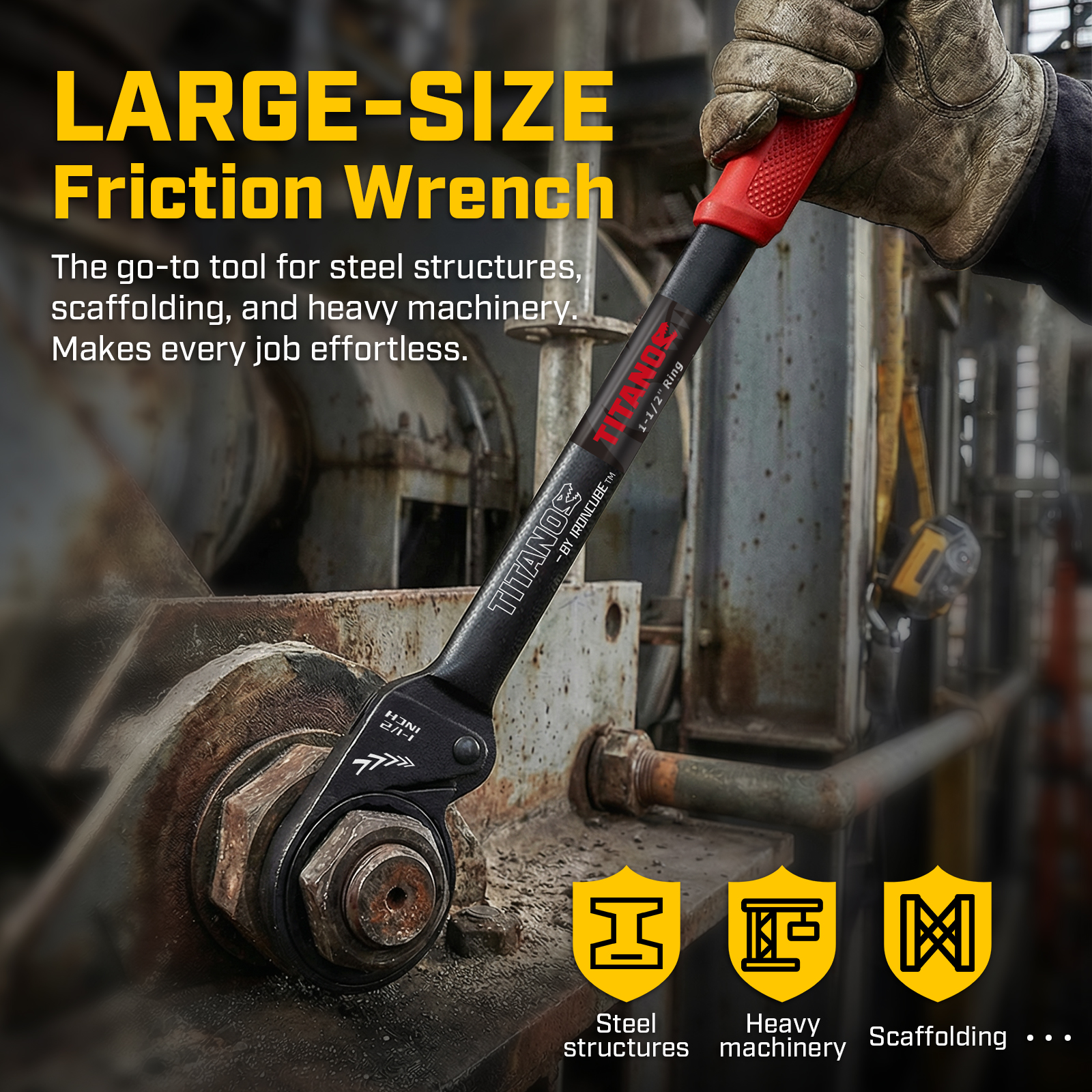
Where do you actually see these extra large ratcheting wrenches in action? It isn’t in your neighbor’s garage fixing a lawnmower. These tools are the backbone of massive infrastructure.
Heavy Equipment Maintenance
Diesel mechanics working on CAT or Komatsu equipment rely on these tools daily. Whether it is adjusting a track tensioner or replacing a hydraulic pump, the big ratchet wrench for heavy equipment top picks for 2026 are essential. In these environments, dirt and grime are everywhere. A sealed or highly durable ratcheting head is required to prevent debris from fouling the gears.
Automotive Brake Systems
While “extra large” usually refers to the jumbo sizes, specialty applications like brake lines on heavy-duty trucks require precision. The best ratcheting brake line wrench provides the flare-nut protection needed for soft fittings but with the speed of a ratchet.
Procurement for Large Shops
If you are managing a large workshop or a maintenance department, buying tools one by one is inefficient. Understanding how to find quality wholesale jumbo wrench sets can save your company thousands of dollars while ensuring every technician has access to high-performance gear.
Maintenance and Care for Longevity
Even the toughest extra large ratcheting wrenches require a bit of love. Because these tools are often exposed to moisture, hydraulic fluid, and road salt, they can corrode over time.
Cleaning: After use, wipe down the wrench with a clean rag. Use a degreaser if it is covered in heavy oil.
Lubrication: Periodically apply a light machine oil to the ratcheting mechanism. This keeps the pawls moving freely and prevents internal rust.
Inspection: Check for any cracks in the box end or rounding of the internal gears. If a wrench skips under load, it is time for a rebuild or replacement.
Avoid Hammering: Never use a hammer on a ratcheting wrench unless it is specifically designed as a “slugging” ratcheting wrench. The impact can shatter the internal teeth.
By following these steps, a high-quality tool like the friction wrench 1-7/8 inch will last for decades, eventually becoming a hand-me-down tool for the next generation of mechanics.
Why Choose Ironcube Works?
When it involves heavy-duty fasteners, you cannot afford to gamble on “no-name” tools from a big-box store. Those tools are designed for light hobbyist use, not for the 400 foot-pounds of torque required in industrial settings. At Ironcube Works, we specialize in the “big stuff.”
Our products, ranging from the best screwdriver sets of 2026 to our flagship wrenches, are built with a “fail-safe” philosophy. We know that if your tool breaks, your job stops. That is why we focus on high-strength alloys and precision-machined ratcheting components.
Summary
In the world of professional maintenance, extra large ratcheting wrenches are not a luxury—they are a necessity. By providing the perfect combination of size, torque capacity, and mechanical efficiency, these tools allow professionals to tackle the biggest jobs with confidence. Whether you are choosing a friction-style wrench for tight spots or a long-handle geared version for maximum leverage, investing in quality is the only way to ensure safety and performance on the job.
Ready to upgrade your heavy-duty arsenal? Browse our full collection at Ironcube Works or contact our team today to find the specific tool for your industrial application.
FAQs
What industries use extra large ratcheting wrenches most frequently?
Heavy construction, mining, rail transport, and large automotive service centers rely heavily on Extra Large Ratcheting Wrenches because of their high torque capacity.
Are extra large ratcheting wrenches better than standard wrenches?
For high-torque applications, Extra Large Ratcheting Wrenches outperform standard tools by providing better leverage, speed, and safety.
How do I maintain extra large ratcheting wrenches?
Regular cleaning, lubrication, and proper storage help maintain Extra Large Ratcheting Wrenches and ensure long-term durability.
What size extra large ratcheting wrench should I choose?
Select a wrench size based on fastener dimensions and torque requirements. Using the correct Extra Large Ratcheting Wrenches improves efficiency and safety.
Can extra large ratcheting wrenches handle industrial torque levels?
Yes, high-quality Extra Large Ratcheting Wrenches are designed for demanding industrial torque levels and heavy-duty operations.