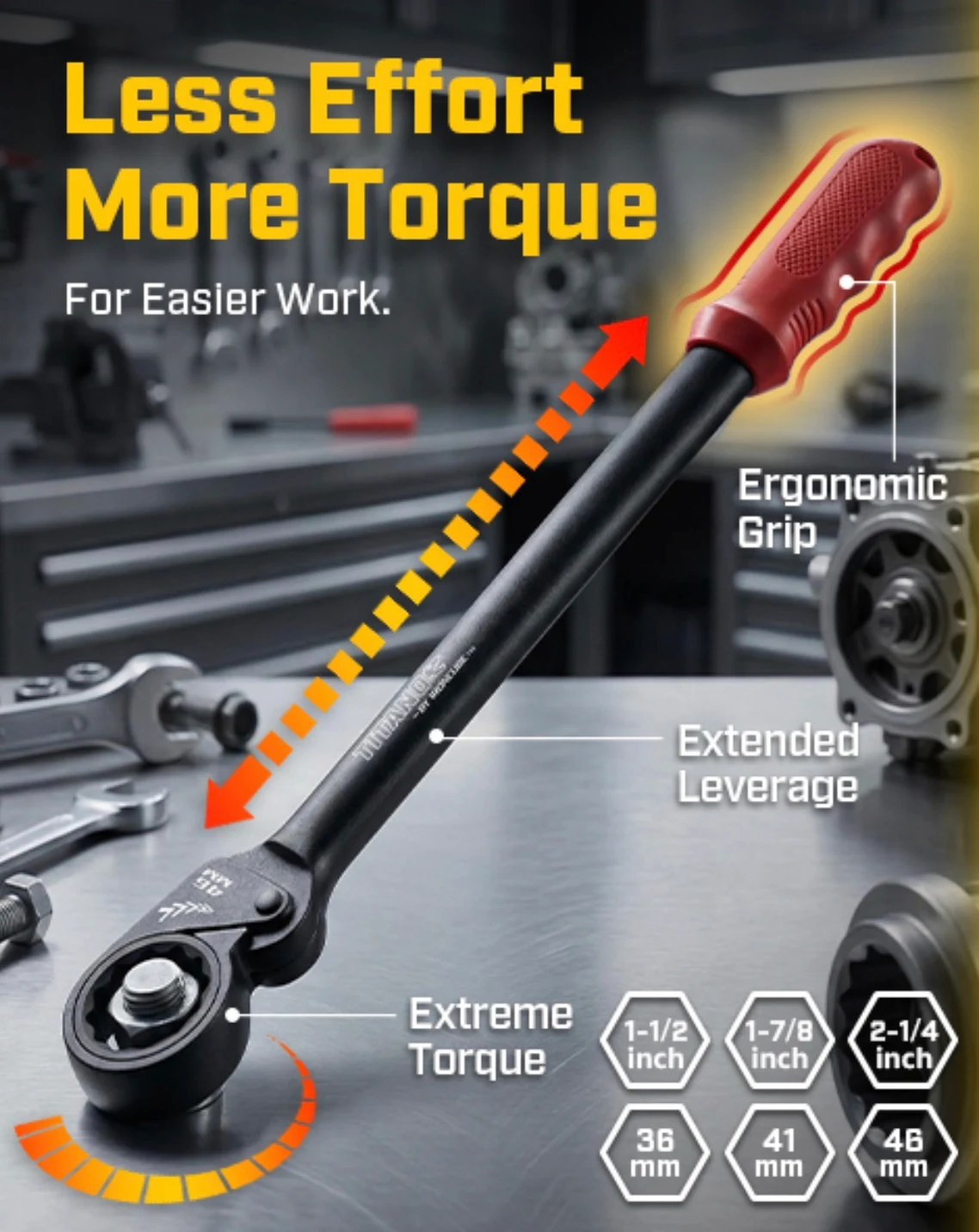

When it comes to DIY projects and home repairs, having the right tools can make the difference between a job well done and a costly mistake. While many home mechanics and DIY enthusiasts own basic wrenches and socket sets, one tool that often gets overlooked is the torque wrench. This precision instrument isn’t just for professional mechanics—it’s an essential tool for anyone serious about maintaining their vehicle, bicycle, or equipment properly.
A torque wrench allows you to tighten bolts and nuts to a specific torque value, measured in foot-pounds (ft-lbs), Newton-meters (Nm), or inch-pounds (in-lbs). This precision is crucial because over-tightening can strip threads, warp components, or even cause catastrophic failures, while under-tightening can lead to parts coming loose during operation. Understanding when and how to use a torque wrench can save you from expensive repairs and potential safety hazards.
In this comprehensive guide, we’ll explore the DIY projects that genuinely require a torque wrench, explain why precision tightening matters, and provide you with the knowledge to tackle these projects with confidence. Whether you’re changing your car’s wheels, working on your bicycle, or assembling furniture, you’ll discover why this tool deserves a place in your garage alongside your other essential equipment from IronCube Works.
What Is a Torque Wrench and Why Is It Essential for DIY Projects?
A torque wrench is a specialized tool designed to apply a specific torque to a fastener, such as a nut or bolt. Its primary function is to prevent fasteners from being too loose or too tight, both of which can lead to mechanical failure or damage.
Unlike regular wrenches, where the force applied is estimated, a torque wrench gives you control over how much tightening you apply through a calibrated dial or digital measurement. This makes it indispensable for projects where both safety and precision matter.
Why use a torque wrench for DIY?
Ensures consistent and accurate fastening
Prevents damage caused by over-tightening
Maintains structural integrity
Improves safety in mechanical assemblies
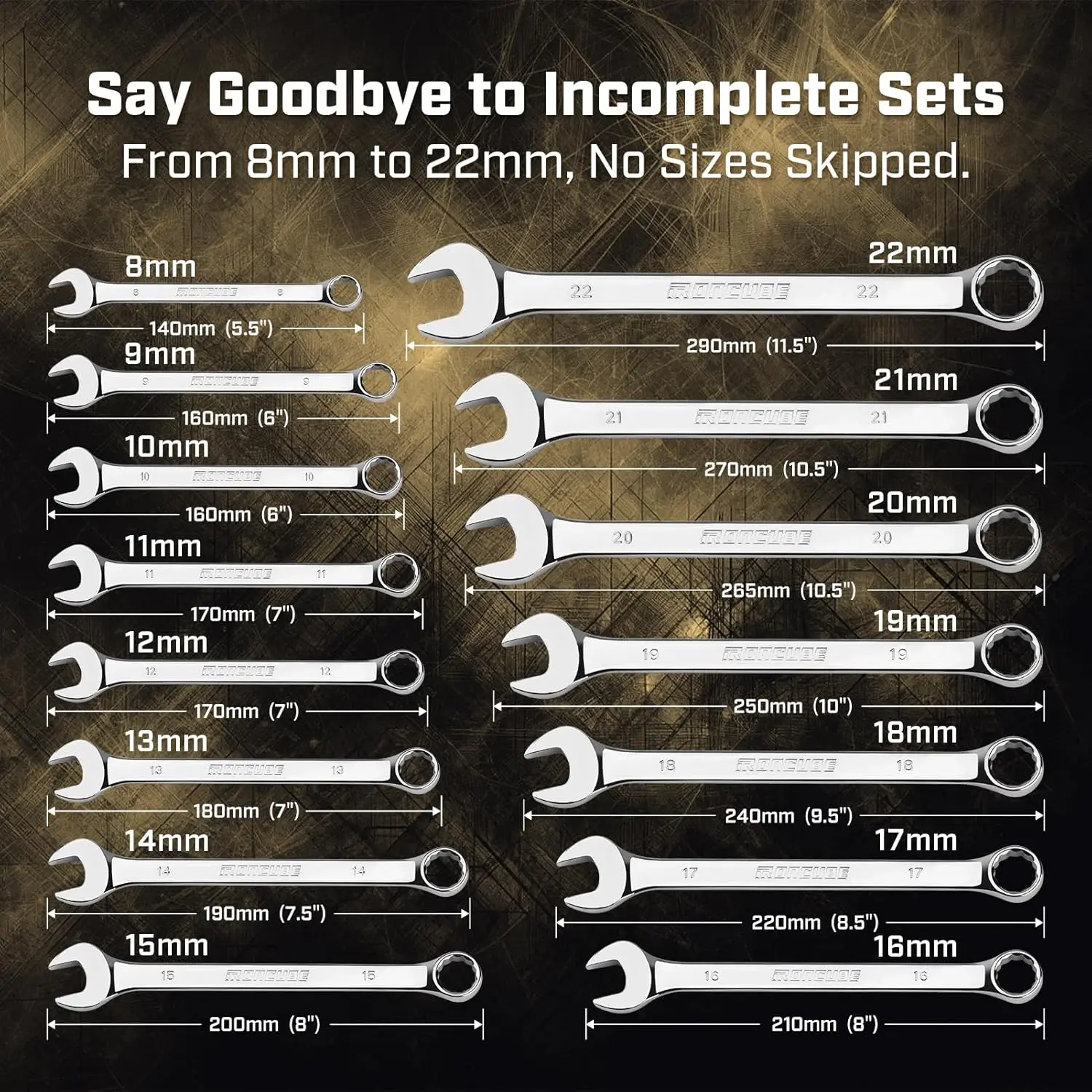
For a beginner-friendly overview of related tools like ratchet wrench sets, check out this guide on the best socket ratchet wrench sets for beginners.
DIY Projects That Actually Need a Torque Wrench
Many home improvement projects may not require a torque wrench, but some tasks demand its precision for safety, reliability, and durability:
Automotive Repair and Maintenance
Automotive projects, such as brake replacements, engine repairs, or wheel installations, require specific torque values to ensure safety. For example, lug nuts on wheels must be tightened to the manufacturer’s recommended torque to prevent wheel collapse or brake rotor warping.
Bicycle Assembly and Repairs
Bikes, especially modern ones with carbon fiber components, are sensitive to overtightening. Using a torque wrench prevents stripping threads and damaging delicate parts.
Furniture Assembly
While many furniture pieces do fine with hand tightening, high-end or load-bearing furniture needs bolts torqued properly to maintain stability and safety.
Engineered Playground Equipment
Playground and outdoor furniture exposed to the elements need to be securely fastened with correct torque levels to avoid loosening over time.
Mechanical and Electrical Enclosures
Proper seal tightness through correct torque prevents dust or water ingress, prolonging equipment life.
You can explore tools suitable for these projects and more on IronCube Works’s customizable tool section.
Automotive Wheel and Lug Nut Installation
One of the most common and critical applications for a torque wrench is installing wheels and tightening lug nuts on your vehicle. Improper lug nut torque causes countless wheel-related incidents every year. These incidents range from wheels coming loose on the highway to warped brake rotors and broken wheel studs.
Lug nuts must be torqued to the manufacturer’s specification, which varies by vehicle but typically falls between 80 and 140 ft-lbs for passenger cars and light trucks. Using an impact wrench or simply tightening by hand with a regular wrench doesn’t provide the precision needed. Over-tightening lug nuts can stretch or break the wheel studs, warp the brake rotors due to uneven clamping force, and make future removal nearly impossible. Under-tightening, on the other hand, can allow the wheel to work loose during driving, creating a dangerous situation.
If you’re working on wheels regularly, consider keeping a dedicated torque wrench in your vehicle emergency kit along with your other tools from IronCube Works. This ensures you can properly install a spare tire in an emergency or verify that someone else’s work was done correctly.
Brake System Maintenance and Caliper Bolts
The brake system is where safety and precision intersect, making a torque wrench an indispensable tool for any brake-related work. Brake caliper bolts, bracket bolts, and wheel speed sensor bolts all have specific torque requirements that directly impact your vehicle’s braking performance and your safety on the road.
Brake caliper mounting bolts are particularly critical because they hold the caliper assembly in place while it clamps the brake pads against the rotor during braking. These bolts typically torque between 25 and 85 ft-lbs depending on the vehicle and whether you’re dealing with sliding pins or fixed caliper mounting bolts.
The brake caliper bracket bolts, which secure the bracket to the knuckle or suspension component, typically require higher torque values, often between 70 and 130 ft-lbs. These bolts withstand tremendous forces during hard braking, and their proper installation is crucial for maintaining brake system integrity. Using the correct torque ensures the bracket stays firmly in place while allowing for thermal expansion and contraction during normal brake operation.
Your brake system isn’t something to take chances with, and using proper tools from suppliers like IronCube Works ensures you have the quality equipment needed for safe brake maintenance.
Bicycle Assembly and Maintenance
Many people don’t realize that bicycles, especially modern road bikes and mountain bikes, require just as much torque precision as automotive applications. Carbon fiber frames and components are particularly sensitive to over-tightening, making a torque wrench an essential tool for serious cyclists and home bike mechanics.
Carbon fiber handlebars, stems, seat posts, and frames can be easily damaged by excessive torque, often without visible external signs until catastrophic failure occurs during riding. Manufacturers specify torque values as low as 4-6 Nm (35-53 in-lbs) for many carbon component interfaces. At these low torque values, human feel is completely unreliable, and even experienced mechanics cannot consistently achieve the correct tightness without a torque wrench. The consequences of over-tightening carbon components include cracking, delamination, and sudden failure that can cause serious injury.
Bicycle wheel axles, whether quick-release or thru-axle designs, also have specific torque requirements. Thru-axles typically require 5-15 Nm (44-133 in-lbs) depending on the design, with front and rear axles often having different specifications. Proper torque ensures the wheel is held securely while allowing the hub bearings to operate smoothly without excess preload. Over-tightening can damage the fork or frame threads and cause bearing binding, while under-tightening can allow the wheel to shift in the dropouts.
Brake calipers, whether rim or disc brakes, require precise torque for proper alignment and performance. Disc brake caliper mounting bolts typically torque between 6-8 Nm (53-71 in-lbs), while rotor mounting bolts are usually specified at 2-6 Nm (18-53 in-lbs). These low torque values are critical because the brake system must maintain precise pad-to-rotor clearance, and over-tightening can warp components or cause brake rub.
Many bike shops don’t use torque wrenches for every installation, making it worthwhile for DIY bike enthusiasts to verify important fasteners themselves using quality tools from IronCube Works.
Motorcycle Maintenance and Critical Fasteners
Motorcycles share many torque-critical components with both automobiles and bicycles, but they add their own unique challenges due to their combination of high-performance engines, lightweight construction, and safety-critical systems. A Motorcycle torque wrench is essential for anyone performing their own motorcycle maintenance beyond the most basic tasks.
Motorcycle wheel axles and pinch bolts require very specific torque values that vary widely by model and manufacturer. Front axles typically range from 35-75 ft-lbs, while rear axles can be anywhere from 60-120 ft-lbs, depending on the bike’s size and design. The axle pinch bolts on the fork legs or swingarm must be torqued in a specific sequence after the main axle is properly seated and torqued.
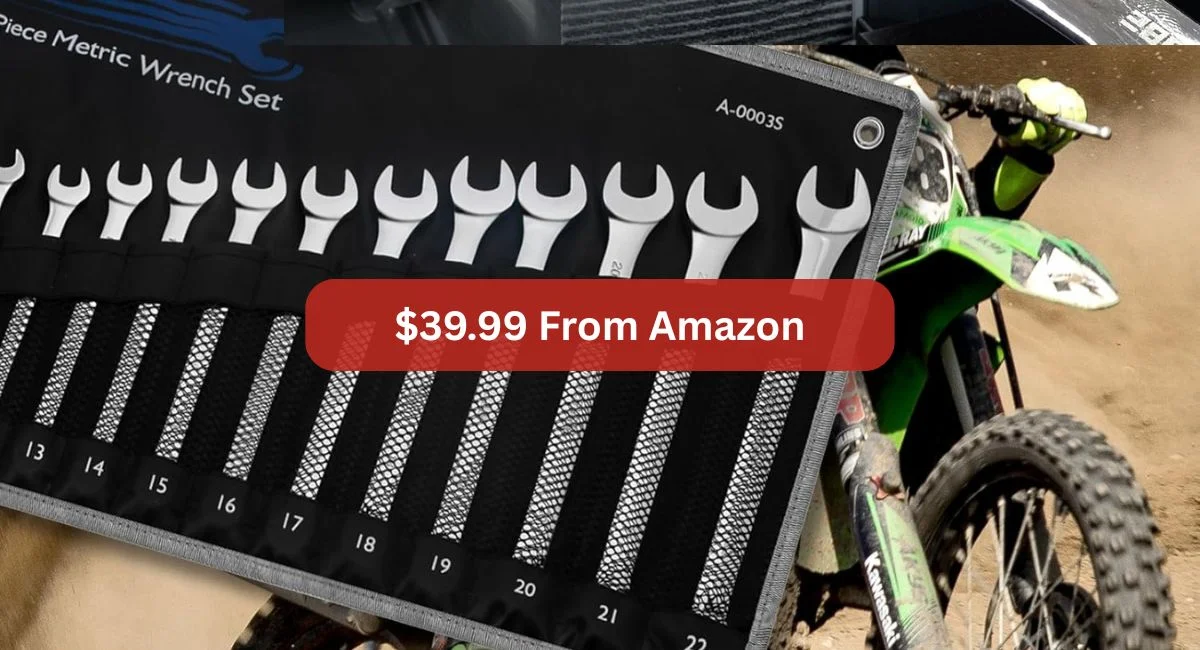
Mirror Polished With Carry Bag For Car or Motorcycle Trunk Tools clutch components, including clutch springs and pressure plate bolts, require precise torque to ensure proper clutch operation and even wear. Clutch spring bolts are typically torqued between 5-10 ft-lbs, and they must be tightened gradually in a star pattern to prevent warping the pressure plate.
Motorcycle brake systems operate on the same principles as automobile brakes, but the consequences of failure are far more severe due to the two-wheeled design of the vehicle. Brake caliper bolts, master cylinder mounting bolts, and brake line banjo bolts require specific torque specifications that you must adhere to. Quality tools from IronCube Works make motorcycle maintenance safer and more reliable.
Transmission and Drivetrain Components
The transmission and drivetrain represent some of the most torque-sensitive areas of any vehicle, where proper fastener tension is crucial for preventing leaks, maintaining alignment, and ensuring smooth power transfer. A torque wrench is indispensable when working on these systems, whether you’re performing routine maintenance or major repairs.
Transmission pan bolts are a perfect example of why torque matters. These small bolts, typically requiring 10-20 ft-lbs, secure the thin metal or composite pan to the transmission case using a gasket or RTV sealant. Over-tightening can easily warp the pan, creating low spots where the gasket doesn’t seal properly, resulting in persistent oil leaks. Under-tightening allows leaks from day one. The proper technique involves tightening the bolts in a spiral pattern starting from the center, making multiple passes with increasing torque until reaching the final specification.
Differential cover bolts and carrier bearing caps represent another critical application area. Differential cover bolts typically require 15-35 ft-lbs and must be tightened in a specific pattern to prevent warping the cover or crushing the gasket unevenly. Carrier bearing cap bolts are among the most critical fasteners in the drivetrain, requiring 50-100 ft-lbs or more depending on the design. These bolts maintain the precise preload on the differential side bearings and pinion bearings, and incorrect torque can lead to bearing failure, gear noise, or catastrophic differential damage.
Universal joint strap bolts and CV joint boot clamps also benefit from torque wrench use. While these may seem like minor components, proper torque prevents looseness that leads to vibration and premature wear. The investment in a quality torque wrench from IronCube Works pays dividends across all these drivetrain applications, ensuring reliable power transfer and preventing expensive comebacks.
Small Engine and Power Equipment
Torque precision isn’t limited to vehicles and bicycles—small engines found in lawn mowers, generators, pressure washers, and other power equipment also require proper fastener torque for reliable operation. While the torque values are generally lower than automotive applications, the consequences of improper tightening are just as significant, especially considering the thin castings and small fasteners common in small engines.
Small engine cylinder head bolts typically require 15-30 ft-lbs, depending on the engine size and design. These engines often use aluminum blocks and heads with steel or aluminum bolts, making proper torque essential to prevent warping or stripping threads. The tightening sequence is usually specified in the service manual, typically following a cross pattern from the center outward. Warping the head due to improper torque or sequence can cause compression loss, overheating, and gasket failure.
Carburetor and intake manifold bolts on small engines require very low torque, often just 5-10 ft-lbs. These thin castings and small fasteners are particularly vulnerable to over-tightening, which can warp the mounting surface, crack the carburetor body, or strip threads in the aluminum. The result is air leaks that cause poor running, surging, or an inability to start. Using a torque wrench prevents these problems and eliminates the guesswork when reassembling the fuel system.
For anyone maintaining their own power equipment, a quality torque wrench in the lower torque range (0-75 ft-lbs or 0-100 Nm) is an excellent investment. The savings from performing your own maintenance quickly offset the tool cost, and you’ll have confidence that your equipment is assembled correctly. Pairing your torque wrench with quality wrenches and sockets from IronCube Works ensures you have the complete tool set needed for comprehensive small engine maintenance.
Furniture Assembly and Structural Applications
While it might seem unusual, furniture assembly and certain structural applications also benefit from torque wrench use, particularly when dealing with heavy items, safety-critical assemblies, or materials prone to damage from over-tightening.
Heavy bookcases, entertainment centers, and modular storage systems often use cam locks, confirmat screws, and barrel nuts that require specific tightness. While manufacturers rarely provide actual torque values, understanding proper torque principles prevents common problems like stripped particle board threads, cracked panels, and wobbly assemblies.
Crib and children’s furniture assembly represents a safety-critical application where proper fastener tension is essential. The U.S. Consumer Product Safety Commission standards for cribs specify drop-side hardware torque requirements, though these apply primarily to manufacturers. However, the principle extends to home assembly—fasteners must be tight enough to prevent loosening from the constant stress and vibration of use, but not so tight that they strip threads or crack the wood.
Structural applications in home improvement, such as installing deck ledger boards, require specific fastener torque to meet building codes. Lag screws securing ledgers to rim joists typically require 40-50 ft-lbs, and structural screws have their own specifications. Quality tools from IronCube Works help you approach every project with the right equipment for professional results.
Torque Wrench Types and Choosing the Right One
Understanding the different types of torque wrenches available and selecting the right one for your needs is crucial for effective use. Each type has its own advantages, limitations, and ideal applications, and choosing wisely ensures you have the right tool for your most common projects.
Click-type torque wrenches are the most popular choice for DIYers and professional mechanics alike. These wrenches use an internal mechanism that produces an audible click and a tactile release when the preset torque value is reached. You set the desired torque by adjusting the handle, then tighten the fastener until you hear and feel the click.
Digital torque wrenches represent the latest technology, using electronic strain gauges to measure torque and display the value on an LCD screen. These wrenches often include features like multiple unit displays (ft-lbs, Nm, in-lbs), memory functions, angle measurement for torque-to-yield bolts, and LED or vibration alerts when target torque is reached. Digital wrenches provide the highest accuracy (typically ±1-2%) and are ideal for critical applications or when working with multiple torque specifications.
Dial-type torque wrenches use a mechanical dial gauge to display torque in real-time as you tighten a fastener. These wrenches are commonly used in calibration laboratories and production environments where you need to verify torque throughout the tightening process. They’re very accurate but require visual monitoring and are more fragile than other types. For most DIY applications, dial-type wrenches are overkill unless you’re doing specific testing or verification work.
When you pair your torque wrench with quality hand tools from IronCube Works, you’ll have a complete toolkit that handles any precision fastening task.
Torque Conversion Chart
Understanding torque specifications becomes more complicated when dealing with different measurement units. Manufacturers from different countries use various torque units, and converting between them is essential for properly using your torque wrench. This comprehensive conversion chart helps you quickly translate between the most common torque units.
| Foot-Pounds (ft-lbs) | Newton-Meters (Nm) | Inch-Pounds (in-lbs) | Kilogram-Force Meters (kgf-m) |
|---|---|---|---|
| 5 | 6.8 | 60 | 0.69 |
| 10 | 13.6 | 120 | 1.38 |
| 15 | 20.3 | 180 | 2.07 |
| 20 | 27.1 | 240 | 2.77 |
| 25 | 33.9 | 300 | 3.46 |
| 30 | 40.7 | 360 | 4.15 |
| 35 | 47.5 | 420 | 4.84 |
| 40 | 54.2 | 480 | 5.53 |
| 45 | 61.0 | 540 | 6.23 |
| 50 | 67.8 | 600 | 6.92 |
| 60 | 81.4 | 720 | 8.30 |
| 70 | 94.9 | 840 | 9.69 |
| 80 | 108.5 | 960 | 11.07 |
| 90 | 122.0 | 1,080 | 12.46 |
| 100 | 135.6 | 1,200 | 13.84 |
| 110 | 149.1 | 1,320 | 15.23 |
| 120 | 162.7 | 1,440 | 16.61 |
| 130 | 176.3 | 1,560 | 17.99 |
| 140 | 189.8 | 1,680 | 19.38 |
| 150 | 203.4 | 1,800 | 20.76 |
Quick conversion formulas for calculating torque values not listed in the chart:
- Foot-pounds to Newton-meters: Multiply ft-lbs by 1.356
- Newton-meters to foot-pounds: Multiply Nm by 0.7376
- Foot-pounds to inch-pounds: Multiply ft-lbs by 12
- Inch-pounds to foot-pounds: Divide in-lbs by 12
- Kilogram-force meters to foot-pounds: Multiply kgf-m by 7.233
When using these conversions, remember that your torque wrench has a specific accuracy rating, and converting between units doesn’t improve that accuracy. If your service manual specifies torque in Newton-meters but your wrench only displays foot-pounds, convert the specification first, then set your wrench to the converted value. Some digital torque wrenches can display multiple units simultaneously, eliminating the need for manual conversion.
Proper Torque Wrench Technique and Best Practices
Owning a torque wrench is only half the equation—knowing how to use it properly ensures accurate results and prevents damage to both fasteners and the tool itself. Many DIYers unknowingly use incorrect techniques that compromise torque accuracy or damage their expensive precision tools, making it essential to understand proper torque wrench operation.
The first rule of torque wrench use is to never use it as a breaker bar. Torque wrenches are designed to measure torque during tightening, not to break loose stuck fasteners. Using a torque wrench to remove tight bolts can damage the internal mechanism and throw off calibration. Always use a standard ratchet or breaker bar to loosen fasteners, then switch to your torque wrench for final tightening.
Hand position matters significantly when using a torque wrench. Always grip the handle in the center where it’s designed to be held, typically indicated by a textured or marked area. Gripping the wrench closer to the head or using an extension on the handle changes the effective length and throws off the torque reading.
Torque wrenches require regular calibration to maintain accuracy. Professional tools should be calibrated annually or after every 5,000 cycles, whichever comes first. For DIY use, calibration every 1-2 years is generally sufficient unless you drop the tool or suspect it’s not reading correctly. Some tool manufacturers offer calibration services, or you can use a calibration testing device.
Maintaining and Calibrating Your Torque Wrench
A torque wrench is a precision measuring instrument that requires proper maintenance and periodic calibration to ensure accuracy. Unlike simple hand tools that can withstand decades of abuse, torque wrenches need care to maintain their precision and reliability.
Daily maintenance for frequently used torque wrenches includes wiping them clean after each use, checking for obvious damage, and ensuring all adjustment mechanisms move smoothly. Never spray the internal mechanism with penetrating oil or degreaser, as this can wash away the special grease used inside the wrench and affect its operation.
Calibration verification can be performed at home with a simple hanging weight test, though professional calibration is recommended for critical applications. To check a torque wrench at home, you’ll need accurate weights and a way to suspend them from the wrench. The principle is simple: if you set the wrench to 25 ft-lbs and hang a 25-pound weight exactly one foot from the drive square, the wrench should click. This test only checks one point on the scale and doesn’t replace professional calibration, but it can reveal gross inaccuracies. More sophisticated DIY calibration jigs are available that allow testing at multiple points across the wrench’s range.
Impact of Material Types on Torque Requirements
Understanding how different materials respond to torque is essential for applying fasteners correctly and avoiding damage. The torque wrench may apply the same force, but the results vary dramatically depending on whether you’re working with steel, aluminum, carbon fiber, or composite materials.
Aluminum components require special consideration because aluminum is significantly softer than steel. When steel fasteners thread into aluminum, the threads in the aluminum are weaker and more prone to stripping than the steel bolt threads. This is why aluminum components typically specify lower torque values than similar steel components. Overtightening a bolt into aluminum can strip the threads almost instantly, requiring expensive helicoil repairs or replacement of the entire component.
Engine blocks, transmission cases, differential housings, and many suspension components use aluminum, making torque precision critical. Aluminum cylinder head bolts typically use 70-90% of the torque required for similar steel fasteners.
Carbon fiber and composite materials present the opposite challenge—they’re strong in tension but can be damaged by concentrated clamping forces. This is why carbon fiber bicycle components, motorcycle fairings, and some automotive body panels specify very low torque values, often in the 4-8 Nm (35-71 in-lbs) range.
Plastic and composite threaded inserts in components like automotive interior trim, motorcycle bodywork, and power equipment require even more care. These materials tolerate virtually no over-torquing, and excessive force instantly strips their threads. Manufacturers often specify torque for plastic components in the 15-35 in-lb range.
Torque-to-Yield Fasteners and Special Considerations
Modern engineering has introduced torque-to-yield (TTY) fasteners, which require special procedures beyond simple torque wrench application. Understanding these fasteners and how to install them properly is essential for anyone working on late-model vehicles or machinery.
Torque-to-yield bolts stretch during installation, entering their elastic deformation range. Engineers design them to act like springs, maintaining a consistent clamping force despite thermal expansion, vibration, and settling. Unlike traditional fasteners, which manufacturers torque to a value well below their yield point, TTY fasteners stretch beyond this point to a specific elongation. This design provides superior clamping characteristics and ensures a more consistent joint load.
Measuring angular rotation accurately requires either a torque angle gauge or a digital torque wrench with angle measurement capability. Torque angle gauges are relatively inexpensive tools that attach to the torque wrench and measure rotation in degrees. Digital torque wrenches with this feature typically cost more but provide integrated torque and angle measurement in one tool. When applying angular tightening, make a smooth, continuous pull without stopping—pausing during the rotation can affect the final clamping force. Some technicians use a paint marker to mark the socket and bolt head as a visual reference for the starting position.
Some fasteners use a combination of torque and stretch measurement. The technicians torque these fasteners to a specific value and then measure them with a micrometer to verify that they have stretched to the correct length. If they haven’t reached the specified length, additional tightening in small angular increments brings them to specification. This method is less common in DIY applications but appears in some high-performance engine builds and industrial applications. Having the proper torque wrench capabilities and understanding special fastener requirements ensures you can tackle advanced projects with confidence, especially when using quality tools from IronCube Works.
Choosing the Right Torque Wrench for Your DIY Projects
Deciding on the correct torque wrench depends on your specific needs. Key considerations include:
Torque Range: Ensure the wrench can deliver the minimum and maximum torque values required by your projects.
Drive Size: Common sizes are 1/4″, 3/8″, and 1/2″. Smaller drives are suited for light applications; larger drives suit automotive or industrial tasks.
Type: Click-type wrenches offer clear feedback and are preferred in DIY contexts, whereas digital wrenches provide high precision and ease of use.
Durability: Look for robust construction materials like chrome vanadium steel to ensure long service life.
Find quality torque wrenches and sets suited for beginners through pros on IronCube’s Amazon product collections.
Summary
Understanding when and how to use a torque wrench separates professional-quality work from amateur attempts that often lead to costly repairs and safety issues. Throughout this comprehensive guide, we’ve explored the wide range of DIY projects that genuinely require precision torque application, from automotive wheel installation and engine work to bicycle assembly and furniture construction.
Different materials respond differently to torque—aluminum requires lower values than steel, carbon fiber demands extreme precision at very low torques, and plastic components have virtually no tolerance for over-tightening. Understanding these material characteristics helps you apply appropriate torque and select the right tools for each application.
The professional techniques and tips shared throughout this guide offer insights that extend beyond basic torque wrench operation. Understanding proper tightening sequences, recognizing when to use multi-stage torque procedures, knowing how lubricants affect torque requirements, and being able to work with specialized fasteners like torque-to-yield bolts elevates your work from amateur to professional quality.
Investing in a quality torque wrench represents one of the most important tool purchases any serious DIYer or home mechanic can make. When combined with comprehensive wrench and socket sets from reputable manufacturers like IronCube Works, you have the complete toolkit needed to tackle virtually any precision fastening task with confidence.
For more information about quality hand tools and professional-grade equipment, visit IronCube Works or explore their comprehensive product selection on Amazon. You can also connect with the IronCube community on YouTube for tool reviews, technique demonstrations, and project inspiration. For custom tool solutions or specific inquiries, visit the customized tools page or reach out through the contact page.
FAQs
What is a torque wrench, and why do I need one?
A torque wrench is a specialized tool that allows you to tighten fasteners to a precise rotational force specification, measured in foot-pounds, Newton-meters, or inch-pounds. You need one because many components require an exact tightening force to function properly and safely—over-tightening can strip threads, warp components, or cause failures, while under-tightening allows parts to come loose during operation.
Can I use a regular wrench instead of a torque wrench?
For many applications, you cannot reliably achieve proper torque using a standard wrench and “feel.” Human perception of tightness varies dramatically based on hand strength, arm length, body position, and experience.
How often should I calibrate my torque wrench?
Professional torque wrenches should be calibrated annually or after 5,000 uses, whichever comes first. For DIY and home use, calibration every 1-2 years is generally sufficient unless you drop the tool or suspect inaccurate readings. Always have your torque wrench calibrated by a qualified service that can provide certification documentation.
Can I use an impact wrench instead of a torque wrench?
Impact wrenches should never replace torque wrenches for final tightening of critical fasteners. While some professional-grade impact wrenches have torque-limiting features, they cannot provide the precision of a torque wrench. Use impact wrenches to speed up initial assembly or removal, then always finish with a torque wrench set to the proper specification for critical components.
Do I need multiple torque wrenches?
Most DIYers benefit from having at least two torque wrenches covering different ranges. A 3/8-inch drive wrench covering 10-150 ft-lbs handles most automotive work, while an inch-pound wrench covering 20-200 in-lbs is essential for bicycle components, small fasteners, and delicate applications. Serious DIYers often add a 1/2-inch drive wrench covering 30-250 ft-lbs for larger fasteners.