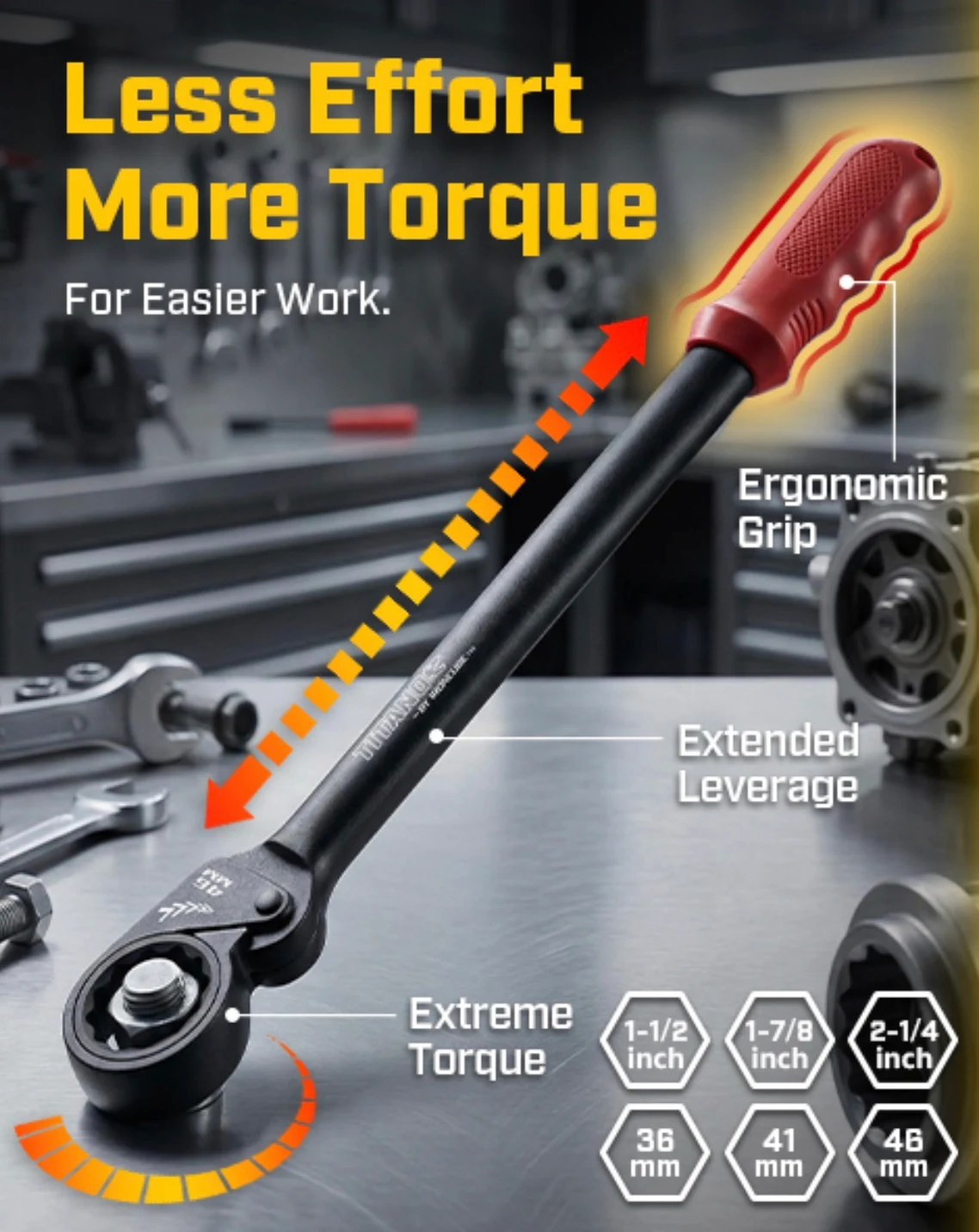
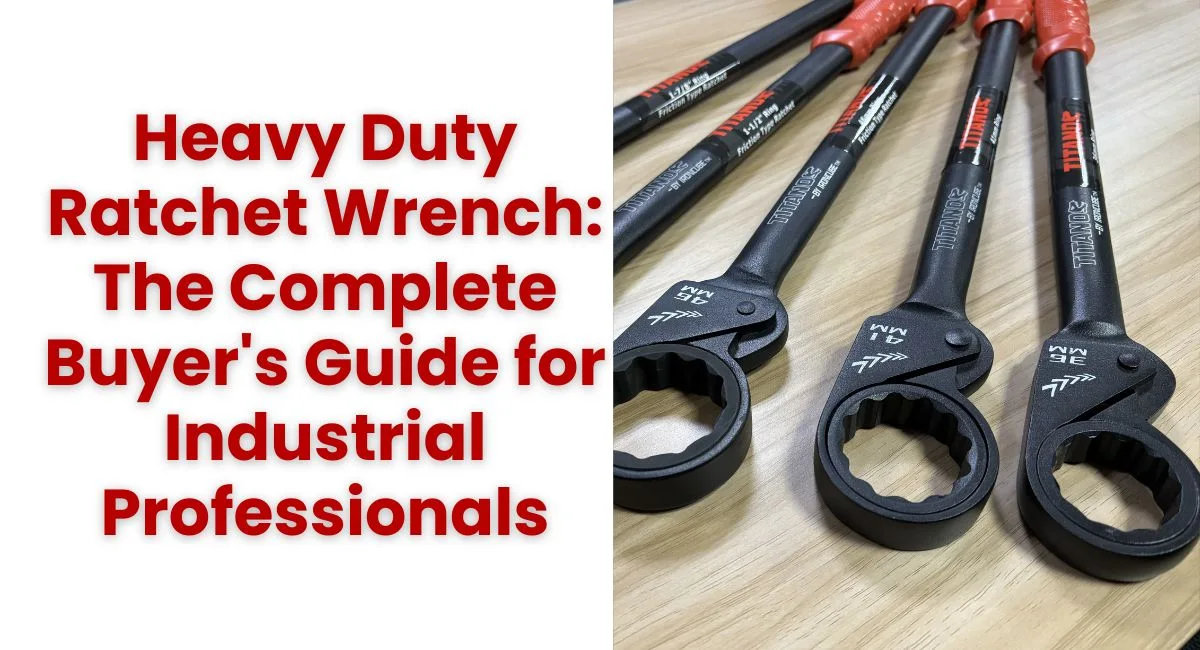
Industrial work demands tools that never fail under pressure. Whether tightening structural bolts, repairing heavy machinery, or maintaining construction equipment, professionals rely on tools built for extreme conditions. Among these essential tools, the Heavy Duty Ratchet Wrench stands out as one of the most versatile and productivity-boosting tools in any industrial toolbox.
Unlike standard wrenches, a heavy-duty ratcheting system allows technicians to tighten or loosen bolts without constantly repositioning the tool. This saves time, reduces fatigue, and improves efficiency in tight spaces. For mechanics, construction engineers, and industrial technicians, choosing the right ratchet wrench can dramatically improve workflow.
In this comprehensive guide, we will explore how heavy-duty ratchet wrenches work, what features matter most, how to choose the best one for industrial tasks, and why professionals trust high-performance tools available through https://ironcubeworks.com/ and its specialized wrench collection.
What Is a Heavy Duty Ratchet Wrench?
A Heavy Duty Ratchet Wrench is a mechanical wrench designed with an internal ratcheting mechanism that allows rotation in one direction while preventing movement in the opposite direction. This mechanism enables continuous tightening or loosening without removing the wrench from the fastener.
Industrial ratchet wrenches differ from standard versions in several ways:
Stronger alloy steel construction
Higher torque capacity
Larger head sizes for heavy bolts
Longer handles for leverage
Precision ratcheting mechanisms
These characteristics make them ideal for demanding environments such as manufacturing plants, oil refineries, automotive repair facilities, and construction sites.
Professionals often rely on specialized heavy-duty models such as the https://ironcubeworks.com/extra-large-heavy-duty-ratcheting-wrenches/ when dealing with oversized nuts and industrial hardware.
Features to Look for in a Heavy Duty Ratchet Wrench
Choosing the right heavy-duty ratchet wrench requires evaluating several important factors.
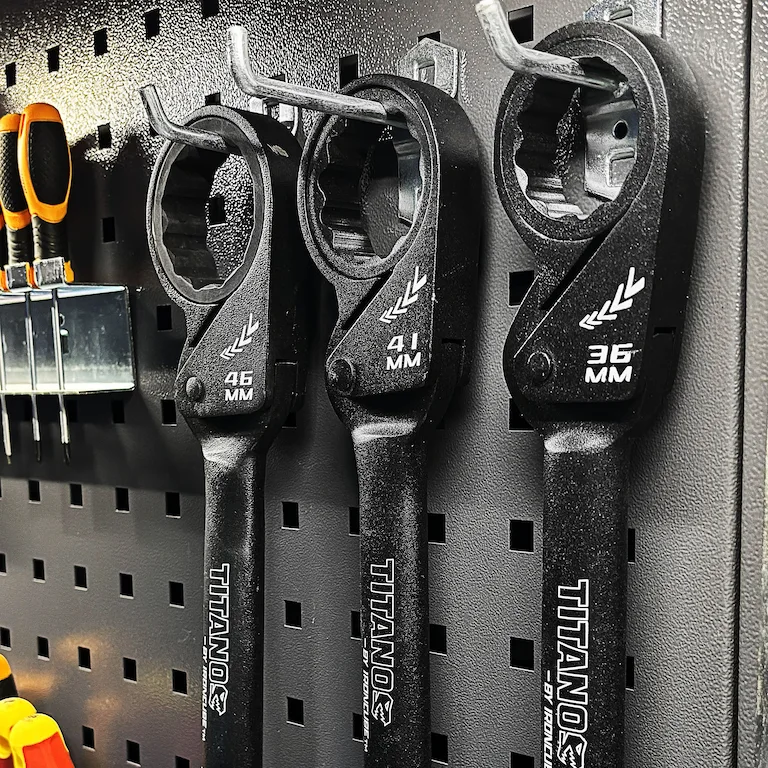
Material Quality
Industrial ratchet wrenches are typically made from chrome vanadium steel or chrome molybdenum steel. These materials provide excellent strength and corrosion resistance.
According to tool material studies published by the ASM International Materials Database, chrome molybdenum steel provides superior impact resistance and fatigue durability.
Torque Capacity
Industrial applications often require high torque values. A professional wrench should withstand significant force without bending or breaking.
For large equipment applications, technicians often rely on products like the https://ironcubeworks.com/product/friction-wrench-1-7-8-inch/.
Ratchet Tooth Count
Higher tooth counts allow smaller swing arcs, which improves usability in confined spaces.
Typical industrial ratchet systems range between:
| Tooth Count | Swing Arc | Application |
|---|---|---|
| 24 teeth | 15° arc | Heavy construction |
| 48 teeth | 7.5° arc | Automotive repair |
| 72+ teeth | 5° arc | Precision mechanics |
Handle Length
Longer handles generate more torque. Heavy equipment repairs often require extended handles for additional leverage.
Anti-Slip Design
A secure grip reduces the risk of tool slippage, which can damage bolts or cause injury.
Top Heavy Duty Ratchet Wrench Brands and Models
The market for heavy duty ratchet wrenches features several established brands known for their quality and reliability. Understanding the strengths of different manufacturers can help you make an informed decision when investing in professional tools.
Industry Leaders
Several brands have distinguished themselves in the heavy duty tool market through consistent quality, innovation, and reliability:
IronCube Works: Specializes in industrial-grade wrenches designed for professional use. Their extra large heavy duty ratcheting wrenches are particularly renowned for their durability in demanding applications.
Snap-on: Known for premium tools with exceptional build quality and innovative features. Their heavy duty ratchet wrenches often incorporate proprietary technologies for enhanced performance.
Matco Tools: Offers a comprehensive range of professional-grade wrenches with excellent ergonomics and durability features.
Mac Tools: Provides industrial-strength wrenches designed for professional mechanics and maintenance technicians.
Proto Industrial: Specializes in heavy-duty tools for industrial applications, with a focus on durability and reliability in demanding environments.
Innovative Features
Leading manufacturers continuously innovate to improve the performance and usability of heavy duty ratchet wrenches. Some noteworthy innovations include:
- Sealed ratcheting mechanisms that prevent contamination from dust, moisture, and debris.
- Flex-head designs with adjustable tension for improved access to confined spaces.
- Fine-tooth ratchets (80+ teeth) that require smaller swing arcs for operation in tight quarters.
- Torque-limiting models that prevent overtightening of critical fasteners.
- Vibration-dampening technologies that reduce user fatigue during extended use.
Price Ranges and Value
Heavy duty ratchet wrenches are available across a wide price spectrum, typically ranging from $30 for basic models to over $300 for premium professional-grade options. Generally, price correlates with:
- Material quality and construction methods
- Precision of the ratcheting mechanism
- Brand reputation and warranty coverage
- Specialized features or patented technologies
When evaluating value, consider the total cost of ownership rather than just the initial purchase price. Premium tools often last significantly longer and perform better under demanding conditions, making them more economical over their service life.
For professionals seeking quality without breaking the bank, IronCube Works offers an excellent balance of performance and value. Their large heavy duty ratcheting wrench provides professional-grade performance at a competitive price point.
Choosing the Right Heavy Duty Ratchet Wrench Sizes for Industrial Applications
Industrial maintenance spans a broader fastener size range than almost any other profession. A single plant might have 12mm instrumentation fittings, 30mm pump casing bolts, 46mm flange hardware, and 50mm structural pins — all requiring service during the same outage. Building a wrench kit that covers this range without gaps is critical.
Core industrial metric range: 24mm, 27mm, 30mm, 32mm, 36mm. These sizes cover the majority of process equipment — pumps, compressors, heat exchangers, gearboxes, and motor mounts. Most maintenance departments already carry standard wrenches in these sizes; adding ratcheting versions dramatically speeds up bolt-up and teardown procedures.
Extended range for heavy plant: 38mm, 41mm, 46mm, 50mm. Large-bore piping flanges, reactor vessels, turbine housings, and heavy rotating equipment use fasteners in this range. Few mainstream wrench brands cover sizes above 32mm, which forces technicians to improvise with adjustable wrenches or slugging wrenches — slower, less precise tools that increase the risk of fastener damage.
SAE sizes for legacy equipment: 15/16”, 1”, 1-1/16”, 1-1/4”, 1-7/16”, 1-5/8”. Older American-made industrial equipment, military installations, and some agricultural processing plants still use SAE fasteners. Maintaining both metric and SAE capability avoids the fastener damage caused by cross-system substitution.
The IRONCUBE large heavy duty ratcheting wrench lineup covers metric sizes from 24mm through 50mm, addressing the full industrial range in a single product line. For detailed guidance on matching sizes to specific equipment types, IRONCUBE’s article on big ratchet wrenches for heavy equipment provides application-by-application recommendations.
Heavy Duty Ratchet Wrench Comparison: Industrial-Grade Options
Industrial buyers evaluate wrenches on a different axis than automotive or consumer buyers. Longevity under harsh conditions, size coverage, and total cost of ownership outweigh cosmetic factors. The table below compares products across the specifications that matter most in industrial procurement.
| Specification | IRONCUBE XLHD | Wright Tool | Proto Industrial | Budget Import |
| Alloy | Cr-V Steel | Alloy Steel | Cr-V Steel | Carbon Steel |
| Hardness (HRC) | 42–48 | Not Published | 42–46 | Not Published |
| Tooth Count | 72 | 48 | 72 | 36 |
| Maximum Size | 50mm / 2” | 46mm / 1-13/16” | 36mm / 1-7/16” | 32mm / 1-1/4” |
| Beam Profile | Reinforced | Heavy Standard | Standard | Thin |
| Finish | Matte Chrome | Satin Chrome | Mirror Chrome | Bright Chrome |
| Industrial Suitability | Excellent | Good | Good | Poor |
Wright Tool and Proto both build solid industrial wrenches, but each has a ceiling that limits coverage for heavy-plant applications. Wright reaches 46mm but uses a 48-tooth mechanism with wider arc swing. Proto offers a 72-tooth mechanism but stops at 36mm. The IRONCUBE XLHD covers the full industrial range — up to 50mm with 72-tooth, 5-degree swing — at a price point that reflects direct-to-consumer distribution rather than traditional industrial supply chain markup. Explore the complete IRONCUBE wrench collection for full specifications and pricing.
Maintenance and Care for Your Heavy Duty Ratchet Wrench
Proper maintenance is essential to ensure the longevity and reliable performance of your heavy duty ratchet wrench. These precision tools require regular care to maintain their functionality and prevent premature wear. Following these maintenance guidelines will help protect your investment and ensure your wrench is ready when you need it most.
Cleaning and Storage
After each use, clean your wrench thoroughly to remove dirt, grease, and debris. Pay special attention to the ratcheting mechanism, as accumulated particles can interfere with its operation. Use a solvent or degreaser followed by a clean cloth to wipe down all surfaces. For stubborn grime, a soft brush can help dislodge particles without scratching the tool’s finish.
Once clean, apply a light coating of rust-preventive oil to all metal surfaces, particularly the ratcheting mechanism. This protective layer prevents moisture from causing corrosion during storage.
Store your wrench in a dry environment, preferably in a toolbox or case that protects it from impacts and environmental exposure. Avoid leaving wrenches in damp areas or where they might be exposed to chemicals that could degrade their finish or internal components.
Lubrication Tips
The ratcheting mechanism requires periodic lubrication to maintain smooth operation. Use a high-quality lubricant specifically designed for tools—avoid general-purpose oils that may attract dust and debris.
To lubricate your wrench:
- Disassemble the ratcheting head according to the manufacturer’s instructions (if possible).
- Clean all components thoroughly to remove old lubricant and contaminants.
- Apply a thin layer of fresh lubricant to all moving parts.
- Reassemble the mechanism, ensuring all components are properly aligned.
- Work the ratcheting action several times to distribute the lubricant evenly.
For sealed mechanisms that cannot be disassembled, apply a small amount of lubricant to the external parts of the mechanism and work the ratcheting action to draw the lubricant inside.
When to Replace
Even with proper maintenance, heavy duty ratchet wrenches eventually wear out and require replacement. Signs that your wrench may need replacement include:
- Slipping or skipping in the ratcheting mechanism
- Excessive play or looseness in the head
- Visible cracks or deformation in the metal components
- Difficulty changing direction or engaging the ratchet
- Corrosion that cannot be removed and is affecting functionality
When replacing a worn wrench, consider upgrading to a higher-quality model that may offer better durability and performance. IronCube Works offers a range of heavy duty ratcheting wrenches that provide excellent value and longevity for professional applications.
Professional Servicing
For premium wrenches or those used in critical applications, periodic professional servicing may be beneficial. Some manufacturers offer servicing programs that can restore worn wrenches to like-new condition, often at a fraction of the cost of replacement.
If you rely on your wrenches for professional use, consider establishing a regular maintenance schedule that includes professional inspection and servicing. This proactive approach can prevent unexpected failures during critical operations and extend the service life of your tools.
Summary
A heavy duty ratchet wrench is an indispensable tool for industrial professionals, mechanics, and anyone working with large fasteners or high-torque applications. These specialized tools combine the efficiency of ratcheting action with the durability and strength needed for demanding professional use.
When selecting a heavy duty ratchet wrench, consider the specific requirements of your applications, including fastener sizes, torque needs, and working conditions. Quality construction, reliable ratcheting mechanisms, and ergonomic design are key features that distinguish professional-grade tools from their consumer counterparts.
Proper maintenance, including regular cleaning, lubrication, and inspection, will extend the life of your wrench and ensure reliable performance. Always prioritize safety by using appropriate techniques and personal protective equipment when working with these powerful tools.
For professionals seeking reliable, industrial-grade wrenches, IronCube Works offers a comprehensive selection of heavy duty ratcheting wrenches designed to meet the demanding needs of industrial applications. From standard models to specialized extra large heavy duty ratcheting wrenches, their product line provides solutions for virtually any professional application.
FAQs
What makes a Heavy Duty Ratchet Wrench different from a normal wrench?
A Heavy Duty Ratchet Wrench includes a reinforced ratcheting mechanism that allows continuous rotation without removing the tool. It is built with stronger materials and higher torque capacity compared to standard wrenches.
What industries use Heavy Duty Ratchet Wrenches the most?
Industries such as construction, heavy equipment maintenance, manufacturing, and automotive repair rely heavily on the Heavy Duty Ratchet Wrench for high-torque fastening tasks.
How do I choose the right Heavy Duty Ratchet Wrench size?
Choosing the correct Heavy Duty Ratchet Wrench depends on the bolt size and torque requirements. Larger nuts require larger wrench heads and longer handles for proper leverage.
Are friction ratchet wrenches better for large bolts?
Yes, friction-based systems often provide smoother torque transmission. Many professionals prefer a Heavy Duty Ratchet Wrench with a friction mechanism for large industrial fasteners.
How long does a Heavy Duty Ratchet Wrench last?
A high-quality Heavy Duty Ratchet Wrench can last many years if properly maintained. Industrial-grade tools made from chrome molybdenum steel are particularly durable.