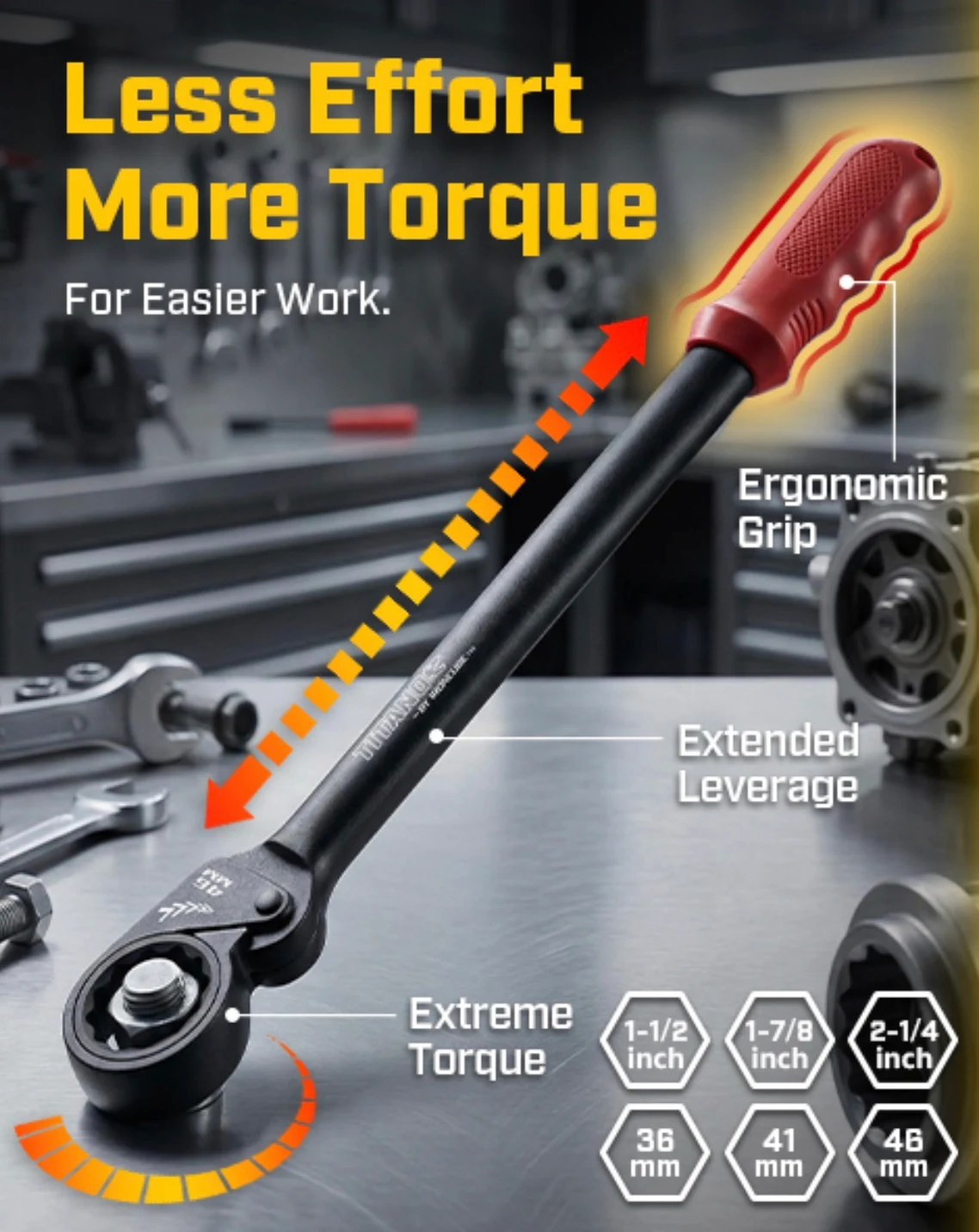
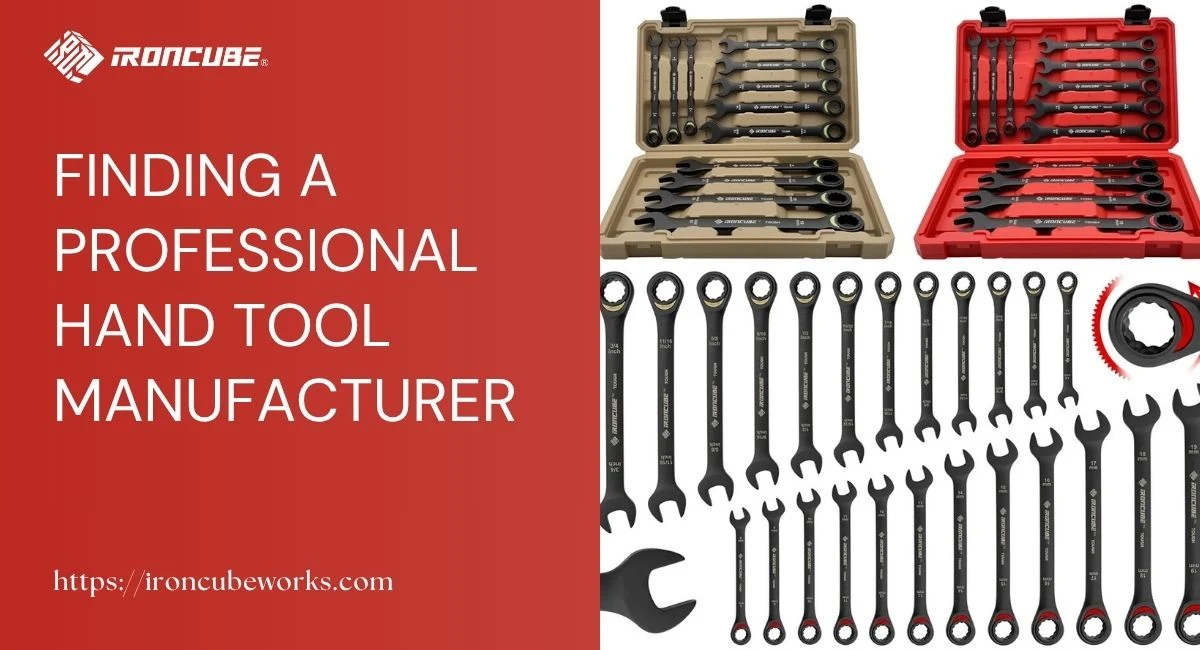
Choosing the right Hand Tool Manufacturer is one of the most important decisions for distributors, wholesalers, retailers, importers, and private-label brands. The quality of hand tools directly affects customer satisfaction, product durability, brand reputation, and long-term business growth. Whether you are sourcing wrench sets, screwdriver kits, ratcheting wrenches, or custom OEM tool products, the manufacturer behind the product determines its performance and reliability.
The global hand tools market continues to expand due to increasing demand from automotive repair, construction, industrial maintenance, and DIY users. According to industry reports from the World Steel Association and various manufacturing market studies, global demand for professional-grade tools remains strong as infrastructure and industrial projects grow worldwide.
However, not all manufacturers operate at the same level. Some companies simply assemble components sourced from multiple suppliers, while others control every stage of production—from raw material selection to final inspection. Understanding the difference can help buyers avoid costly mistakes.
This guide explains how to evaluate a professional Hand Tool Manufacturer, what quality indicators matter most, and how to choose the right OEM partner for your business.
What Is a Professional Hand Tool Manufacturer?
A professional Hand Tool Manufacturer is a company that designs, engineers, produces, tests, and supplies hand tools under its own production system. These manufacturers typically offer OEM and ODM services, maintain strict quality control procedures, and comply with international manufacturing standards.
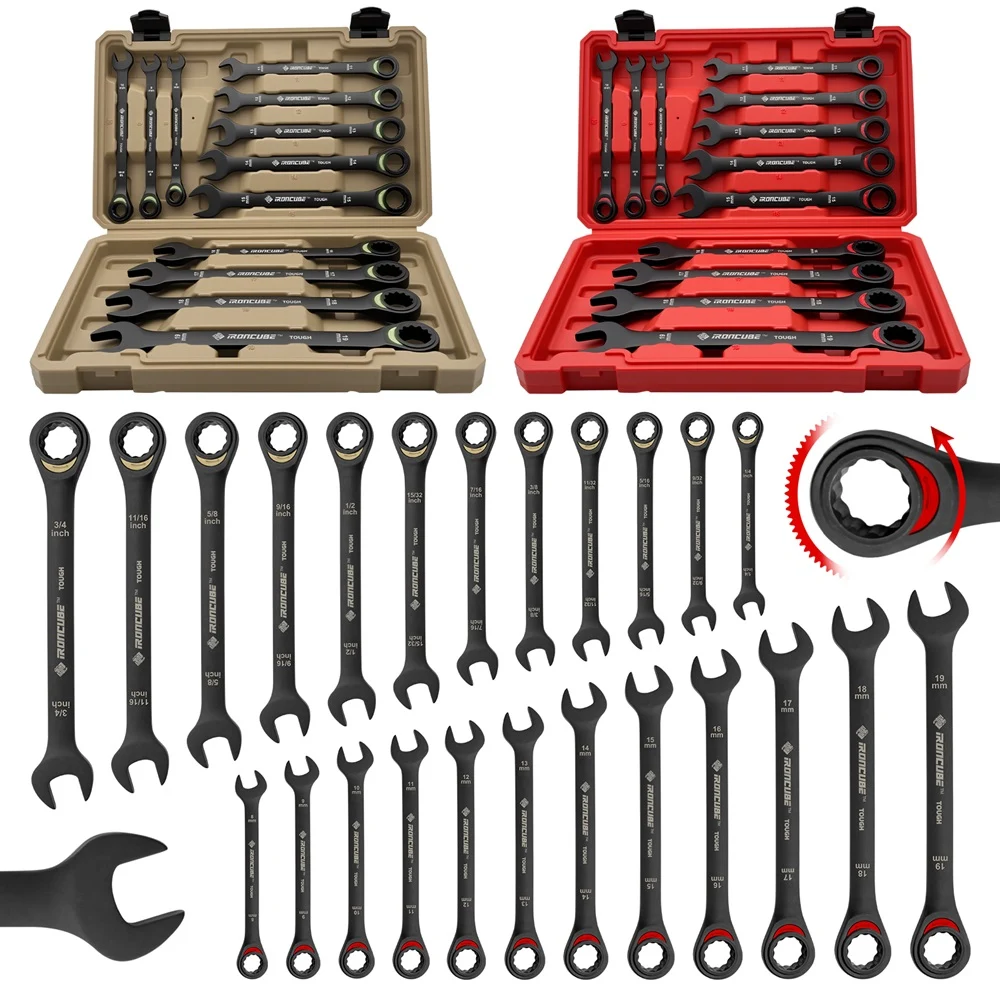
In-House Production vs. Outsourced Assembly
One of the first factors buyers should investigate is whether the manufacturer controls production internally.
In-house production provides several advantages:
- Better quality consistency
- Improved production efficiency
- Faster lead times
- Stronger quality management
- Greater customization flexibility
Manufacturers that rely heavily on outsourced assembly often face challenges in maintaining consistent quality across different product batches.
For example, when producing a 72 tooth ratchet, precision machining is critical. Even minor variations in gear tolerances can affect performance. Manufacturers with their own forging, machining, heat treatment, and assembly facilities generally produce more reliable products.
Quality Control and Certification Standards
Professional manufacturers invest heavily in quality control systems.
Look for certifications such as:
- ISO 9001 Quality Management
- ASME standards compliance
- DIN standards compliance
- CE certification where applicable
According to the International Organization for Standardization (ISO), organizations that implement structured quality management systems can improve consistency and customer satisfaction through standardized processes.
Production Scale and MOQ Capabilities
Production capacity directly impacts your ability to scale.
A professional Hand Tool Manufacturer should be capable of:
- Handling large-volume orders
- Offering flexible minimum order quantities
- Managing OEM customization projects
- Supporting international shipping requirements
Businesses planning long-term partnerships should verify annual production capacity before committing to a supplier.
Factors to Evaluate a Hand Tool Manufacturer
Selecting the right manufacturer requires careful assessment of several critical factors.
Material Selection and Steel Quality
The foundation of every durable hand tool is high-quality steel.
Professional manufacturers typically use:
- Chrome Vanadium Steel (Cr-V)
- Chrome Molybdenum Steel (Cr-Mo)
- S2 Tool Steel
- Alloy Steel
The World Steel Association notes that alloy composition significantly affects strength, toughness, and wear resistance.
For ratcheting wrenches, chrome vanadium steel remains one of the most widely used materials due to its excellent balance between durability and corrosion resistance.
A premium Hand Tool Manufacturer should provide detailed information about material specifications and testing procedures.
Forging vs. Casting Manufacturing Methods
The manufacturing method plays a major role in tool strength.
Forged Tools
Forging compresses steel under extreme pressure.
Benefits include:
- Higher strength
- Better grain structure
- Greater durability
- Improved impact resistance
Cast Tools
Casting involves pouring molten metal into molds.
Benefits include:
- Lower production costs
- Faster production
- Suitable for less demanding applications
Professional-grade tools are typically forged because they withstand higher stress levels.
Heat Treatment Processes
Heat treatment determines the hardness and durability of tools.
Proper heat treatment improves:
- Wear resistance
- Torque performance
- Fatigue strength
- Tool lifespan
A reliable Hand Tool Manufacturer will perform hardness testing and document heat-treatment procedures.
Surface Finishing and Corrosion Resistance
Surface treatment affects appearance and durability.
Common finishes include:
| Finish Type | Advantages |
|---|---|
| Chrome Plated | Corrosion resistance |
| Satin Chrome | Reduced glare |
| Black Oxide | Rust protection |
| Nickel Coating | Enhanced durability |
| Phosphate Coating | Industrial protection |
High-quality finishing ensures tools maintain their appearance and functionality even under demanding working conditions.
ISO, ASME, and DIN Certifications
Industry certifications demonstrate compliance with recognized quality standards.
Key standards include:
- ISO 9001
- ASME tool standards
- DIN tool specifications
These standards help ensure consistency across product batches and international markets.
Factory Audits and Inspection Procedures
Before placing a large order, buyers should request:
- Factory audit reports
- Quality inspection records
- Material certifications
- Product testing reports
Third-party inspections can provide additional confidence in supplier capabilities.
Understanding Ratcheting Wrench Manufacturing
Ratcheting wrenches are among the most popular hand tools in professional workshops today.
What Is a 72 Tooth Ratchet?
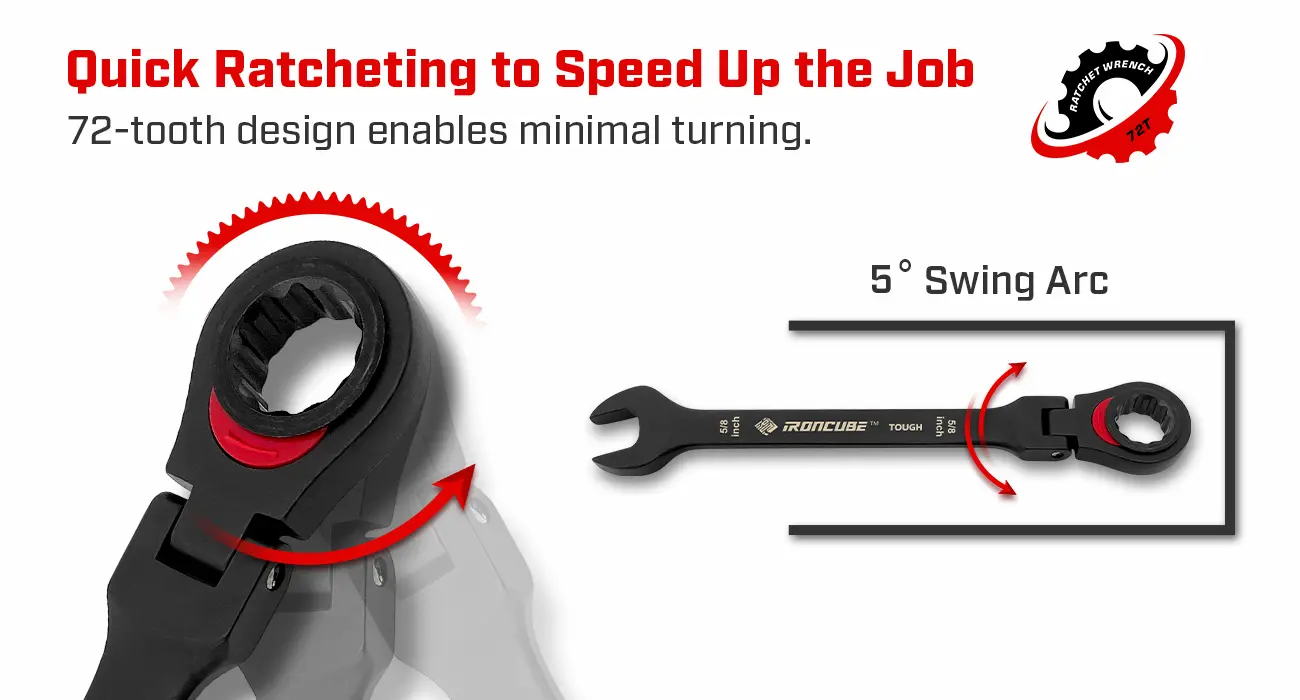
A 72 tooth ratchet uses a gear mechanism with 72 engagement points.
This design requires only 5 degrees of handle movement to engage the next tooth.
The calculation is simple:
360 ÷ 72 = 5 degrees
This is why many mechanics prefer a 5 degree swing arc wrench when working in confined spaces.
Benefits of a Fine Tooth Ratcheting Wrench
A fine tooth ratcheting wrench offers several advantages:
- Greater precision
- Reduced repositioning
- Faster operation
- Better accessibility
Professionals working on automotive engines frequently encounter tight spaces where traditional wrenches cannot operate efficiently.
Understanding Ratcheting Wrench Tooth Count
The ratcheting wrench tooth count directly impacts usability.
| Tooth Count | Swing Arc |
|---|---|
| 36 Tooth | 10° |
| 45 Tooth | 8° |
| 72 Tooth | 5° |
| 90 Tooth | 4° |
| 120 Tooth | 3° |
Higher tooth counts generally provide better accessibility but require more precise manufacturing.
Features of the Best 72 Tooth Wrench
When evaluating the best 72 tooth wrench, consider:
- Gear precision
- Heat-treated mechanism
- Chrome vanadium construction
- Corrosion-resistant finish
- Lifetime durability
A professional Hand Tool Manufacturer should conduct cycle testing to ensure long-term ratchet performance.
For buyers interested in premium wrench solutions, visit the wrench collection available.
OEM and Custom Hand Tool Production
OEM manufacturing allows businesses to sell products under their own brand names.
What OEM Means in Hand Tools
OEM stands for Original Equipment Manufacturer.
In the hand tool industry, OEM production enables companies to:
- Create branded products
- Customize packaging
- Modify specifications
- Develop unique product lines
Many successful tool brands rely on OEM partnerships to expand product offerings.
Custom Branding Options
A professional Hand Tool Manufacturer can offer:
- Laser logo engraving
- Printed logos
- Custom color schemes
- Branded storage cases
- Retail packaging
Brand recognition often begins with a professional product presentation.
Custom Packaging Solutions
Packaging options may include:
- Color boxes
- Blow-molded cases
- Retail blister packs
- Display-ready cartons
- Private-label packaging
Proper packaging improves customer perception and retail performance.
Sample Orders and Prototyping
Before full production begins, buyers should request samples.
Sample evaluation allows businesses to assess:
- Material quality
- Finish quality
- Functionality
- Branding accuracy
Professional manufacturers typically provide prototype samples before mass production.
Typical MOQ Requirements
MOQ varies depending on product complexity.
Typical ranges include:
| Product | MOQ |
|---|---|
| Screwdriver Sets | 500–1000 Sets |
| Wrench Sets | 300–1000 Sets |
| Ratcheting Wrenches | 500–2000 Pieces |
| Tool Kits | 300–1000 Sets |
MOQ flexibility often indicates manufacturing capability and customer focus.
For screwdriver sourcing, explore:
Why Many Global Brands Source from China
China remains one of the world’s leading manufacturing hubs.
Competitive Manufacturing Costs
Chinese manufacturers benefit from:
- Established supply chains
- Advanced production infrastructure
- Efficient logistics networks
- Skilled labor resources
These advantages help reduce production costs without necessarily sacrificing quality.
Advanced Production Equipment
Leading factories invest in:
- CNC machining centers
- Automated forging lines
- Heat treatment systems
- Robotic polishing equipment
Modern production technology supports precision manufacturing and consistent quality.
Large-Scale Manufacturing Capacity
Many Chinese manufacturers produce millions of tools annually.
Large production capacity helps:
- Reduce lead times
- Improve pricing
- Support large orders
- Ensure a stable supply
Export Experience and Global Logistics
Experienced exporters understand:
- Customs requirements
- International shipping regulations
- Product compliance standards
- Market-specific packaging needs
These capabilities simplify global sourcing.
Questions to Ask Before Placing a Bulk Order
Before selecting a Hand Tool Manufacturer, buyers should ask several important questions.
How Is Product Quality Verified?
Ask about:
- Incoming material inspection
- In-process quality checks
- Final product inspection
- Performance testing
Quality verification should occur throughout production.
What Is the Defect Rate?
Professional manufacturers monitor defect rates carefully.
A low defect rate typically reflects:
- Effective quality control
- Stable production processes
- Skilled workforce
What Warranty Support Is Available?
Warranty policies demonstrate manufacturer confidence.
Questions include:
- Warranty duration
- Replacement procedures
- Claim response times
- Coverage limitations
What Payment Terms Are Offered?
Common payment structures include:
- 30% deposit, 70% before shipment
- Letter of Credit
- Trade Assurance
- Bank transfer
Terms vary depending on order size and relationship history.
What Shipping Options Are Available?
Shipping methods may include:
- Sea freight
- Air freight
- Rail transport
- Express courier
A knowledgeable manufacturer can recommend the most cost-effective solution.
MOQ for Wrench and Screwdriver Sets
For wrench sets, typical MOQs from professional manufacturers run between 300 and 1,000 sets per SKU. For screwdriver sets, MOQs can be lower — sometimes starting at 200 sets — because the tooling investment is smaller. Mixed sets (wrenches and screwdriver bits combined) like the 56-piece ratcheting screwdriver and socket set generally carry MOQs of 300–500 units.
Why IRONCUBE Is a Trusted Hand Tool Manufacturer
Businesses searching for a reliable Hand Tool Manufacturer need a partner that combines quality, customization, and global support.
IRONCUBE focuses on delivering professional hand tools designed for distributors, wholesalers, retailers, and OEM brands worldwide.
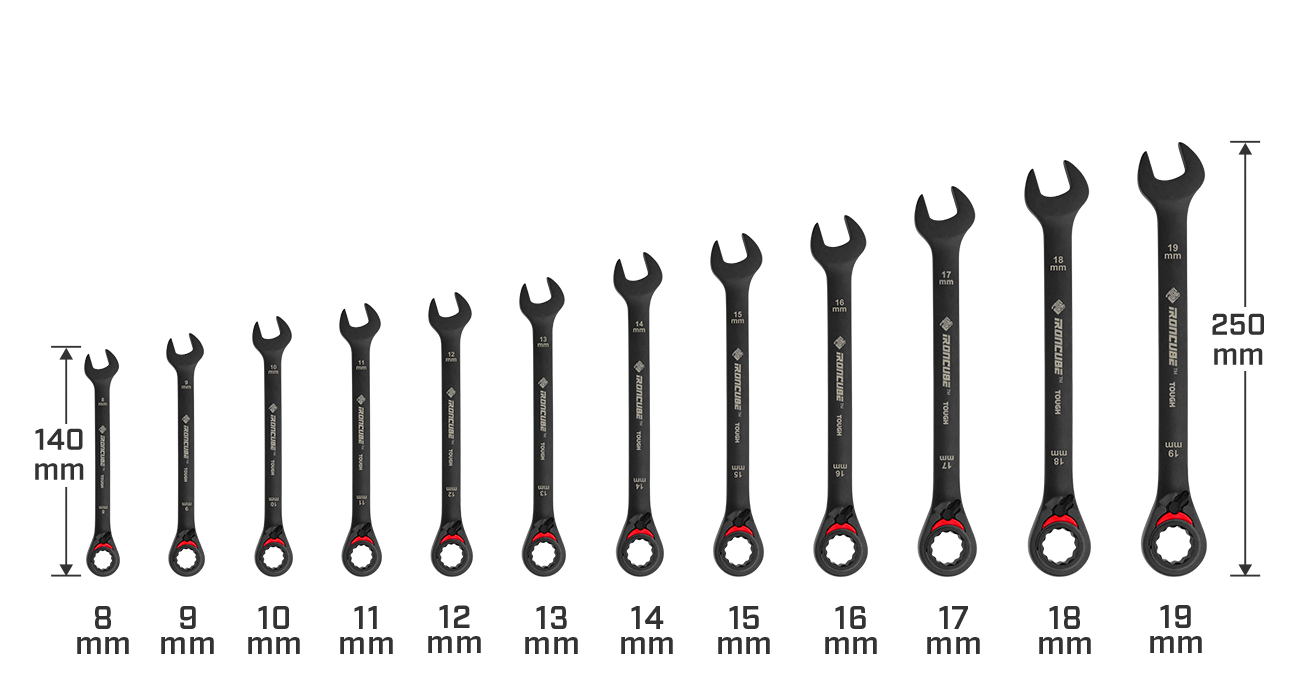
Advantages include:
- Comprehensive wrench product range
- Professional screwdriver solutions
- OEM and private-label capabilities
- Strict quality control procedures
- Competitive manufacturing support
- Global export experience
Helpful resources include:
- Home Page: https://ironcubeworks.com/
- Contact Page: https://ironcubeworks.com/contact/
- Best Ratcheting Wrench Set in 2026:
https://ironcubeworks.com/best-ratcheting-wrench-set-in-2026/ - Best Screwdriver Sets of 2026:
https://ironcubeworks.com/best-screwdriver-sets-of-2026/ - Wrench Size Conversion Chart:
https://ironcubeworks.com/wrench-size-chart-metric-sae-conversion/ - Screwdriver Types and Uses:
https://ironcubeworks.com/screwdriver-types-and-uses/
Businesses seeking complete tool kits can also review:
https://ironcubeworks.com/product/56-pcs-ratcheting-screwdriver-bits-and-sockets-set/
Conclusion
Finding the right Hand Tool Manufacturer requires more than comparing prices. Buyers should evaluate material quality, manufacturing processes, certifications, quality control systems, OEM capabilities, and export experience. A reliable manufacturing partner can improve product performance, strengthen brand reputation, and support long-term business growth.
Whether you need wrench sets, screwdriver kits, a fine tooth ratcheting wrench, a 72 tooth ratchet, or a complete private-label tool program, partnering with an experienced manufacturer is essential.
IRONCUBE Works has built its reputation as a leading hand tool manufacturer by combining high-spec production with direct B2B relationships. Whether you need a 12-piece ratcheting wrench set, a 16-piece combination set, or a custom OEM product line with your branding, the IRONCUBE team is structured to support buyers at every scale.
To discuss your sourcing requirements, review custom production options, or request a sample order, reach the IRONCUBE team directly through the contact page. You can also explore the full product range at ironcubeworks.com.
FAQs
What is a typical MOQ for hand tool sets?
MOQ requirements vary by product type and customization level. Most professional Hand Tool Manufacturer companies require between 300 and 1,000 sets for OEM production. Custom packaging and branding may increase minimum quantities.
How long does OEM hand tool production take?
OEM production generally takes between 30 and 60 days after sample approval. A reputable Hand Tool Manufacturer will provide a detailed production schedule before confirming the order.
How can I verify a hand tool manufacturer’s quality?
Buyers should request certifications, factory audit reports, testing records, and product samples. A professional Hand Tool Manufacturer should openly share quality documentation and inspection procedures.
What certifications should a manufacturer have?
The most common certifications include ISO 9001, ASME compliance, and DIN standards. A certified Hand Tool Manufacturer is more likely to maintain consistent quality and process control.
Are Chinese hand tool manufacturers reliable?
Many leading global brands source from China. A reputable Hand Tool Manufacturer in China can offer excellent quality, advanced manufacturing technology, competitive pricing, and extensive export experience.
What makes a 72 tooth ratchet better?
A 72 tooth ratchet requires only a 5-degree swing arc for operation. This allows mechanics to work efficiently in confined spaces while maintaining excellent torque transfer and productivity.