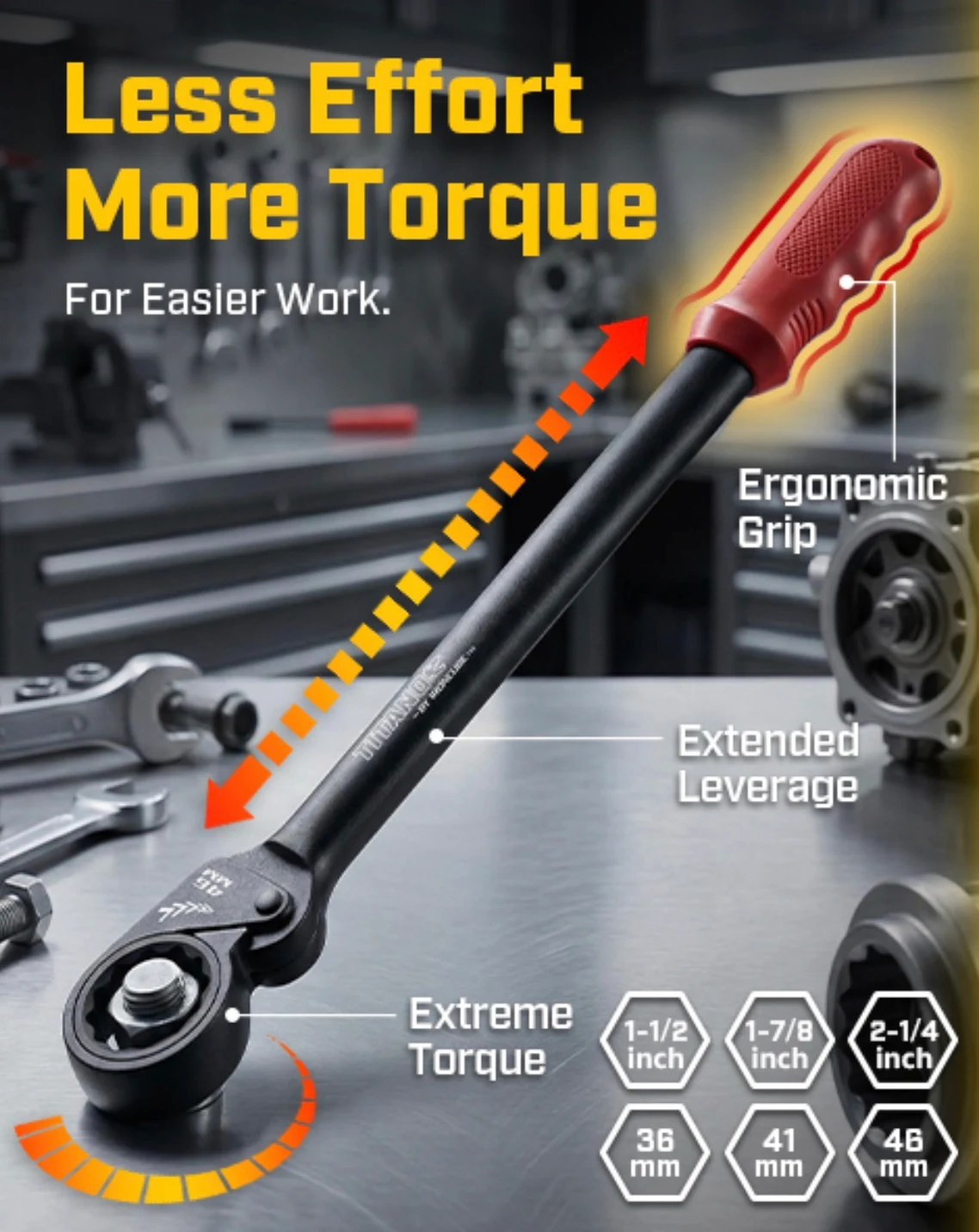
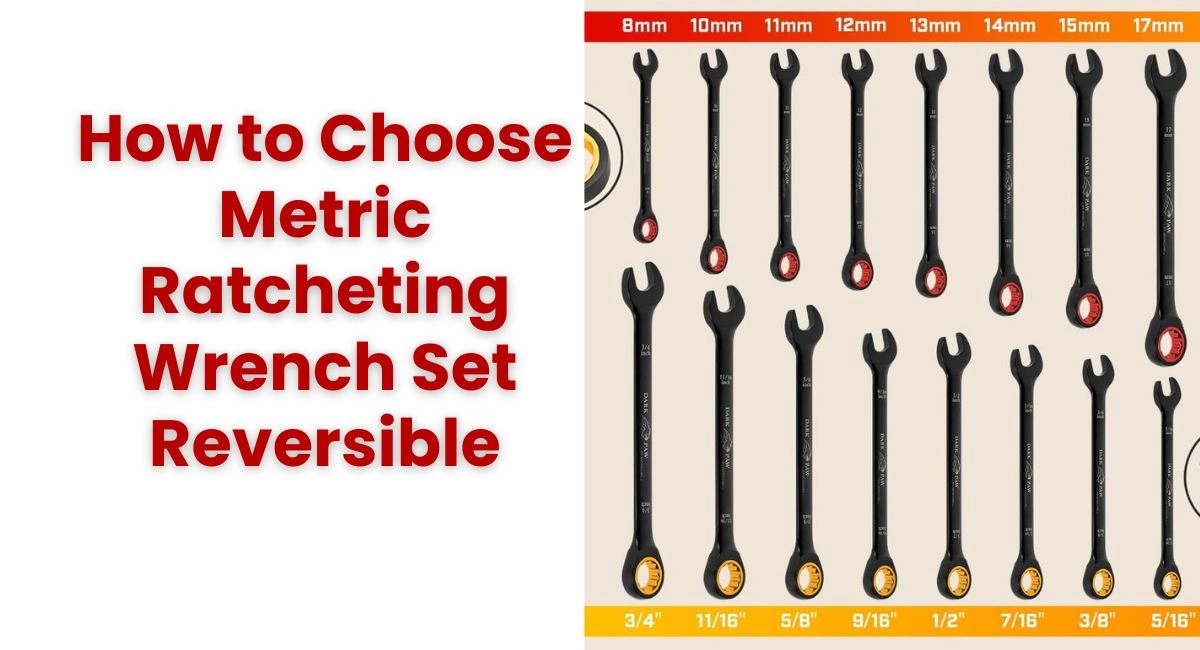
Choosing the right Metric Ratcheting Wrench Set Reversible can feel overwhelming when every manufacturer claims to offer the best durability, torque, and efficiency. Whether you’re a DIY enthusiast, an automotive technician, or a professional working with industrial tools, selecting the right reversible wrench set impacts your speed, accuracy, and long-term productivity.
On a high-quality tool provider’s platform like Ironcube Works, the difference between an average wrench and a precision-engineered reversible ratcheting wrench is clear. But understanding exactly how to choose metric ratcheting wrench set reversible requires deeper knowledge—material grades, gear systems, tooth count, handle design, head movement, and long-term usability.
The reversible feature adds another layer of sophistication. With a simple flick of a switch, typically a small lever on the wrench’s head, you can change the ratcheting direction from tighten to loosen without removing the tool. This is not just a convenience; in confined spaces where your swing arc is measured in millimeters, it is an absolute necessity. For a deeper dive into the mechanics, our article on selecting the best metric ratcheting wrench set reversible provides excellent technical insights.
What Makes a Metric Ratcheting Wrench Set Reversible Different?
A reversible ratcheting wrench is designed with a switch mechanism allowing users to alternate between tightening and loosening without removing the wrench from the fastener. This feature alone saves significant time during automotive repair, industrial maintenance, and assembly work.

When exploring how to choose metric ratcheting wrench set reversible, it’s essential to understand the three elements that separate reversible sets from traditional fixed-head wrenches:
1. Direction-Switch Mechanism
The lever or switch lets you change direction instantly, eliminating the need to reposition the wrench.
2. High Tooth Count Gear System
Higher tooth counts (typically 72–120 teeth) allow smooth movement in tight spaces.
3. Precision Metric Sizing
Metric standards ensure accurate fits across global manufacturing and automotive systems.
For additional comparison between reversible and non-reversible designs, you can explore Ironcube’s technical breakdown here: Metric Ratcheting Wrench Set Reversible vs Fixed Head Comparison.
Understanding Metric Sizing and What You Actually Need
Metric wrenches use millimeter measurements, which is the standard for most vehicles manufactured outside North America and increasingly common even in American-made cars. If you work on Asian or European vehicles, a metric set is essential. Many domestic vehicles now use metric fasteners as well, especially those with globally sourced components.
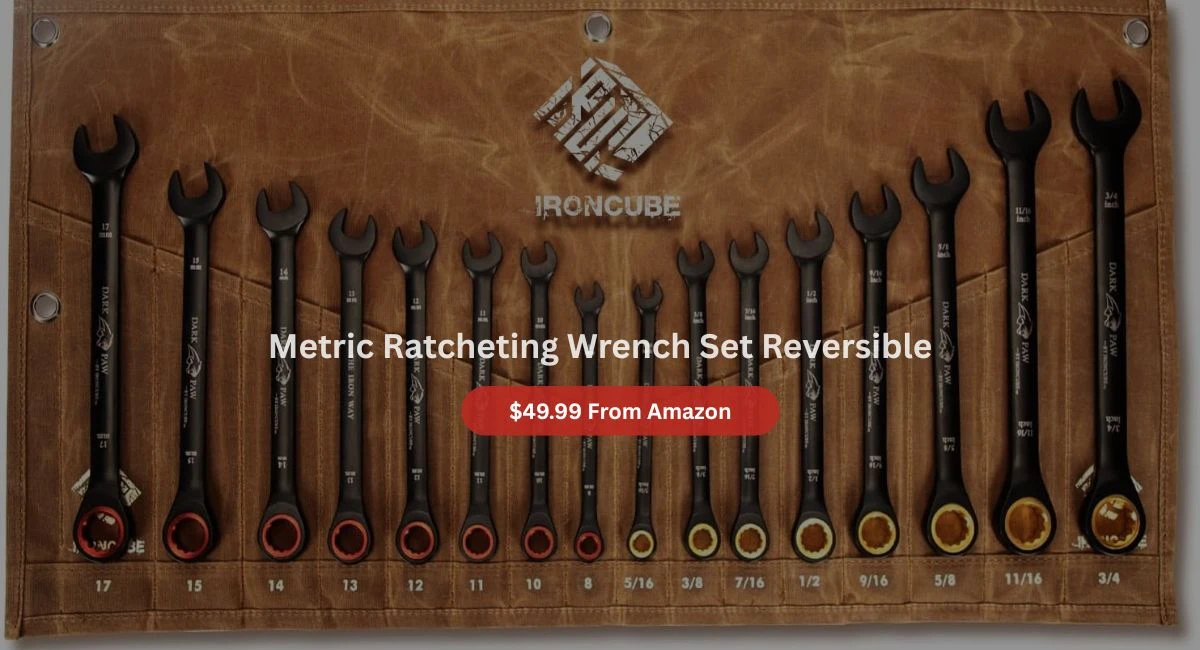
A comprehensive metric ratcheting wrench set typically spans from 8mm to 19mm. This range covers the vast majority of automotive applications. Some sets extend down to 6mm for smaller applications or up to 22mm and beyond for heavier equipment.
When learning how to choose a metric ratcheting wrench set reversible, consider the types of projects you tackle most often. General automotive work demands solid coverage in the 10mm to 17mm range. This is where most engine and suspension bolts fall. Smaller sizes like 8mm and 9mm appear frequently in interior trim, electrical connections, and smaller accessories.
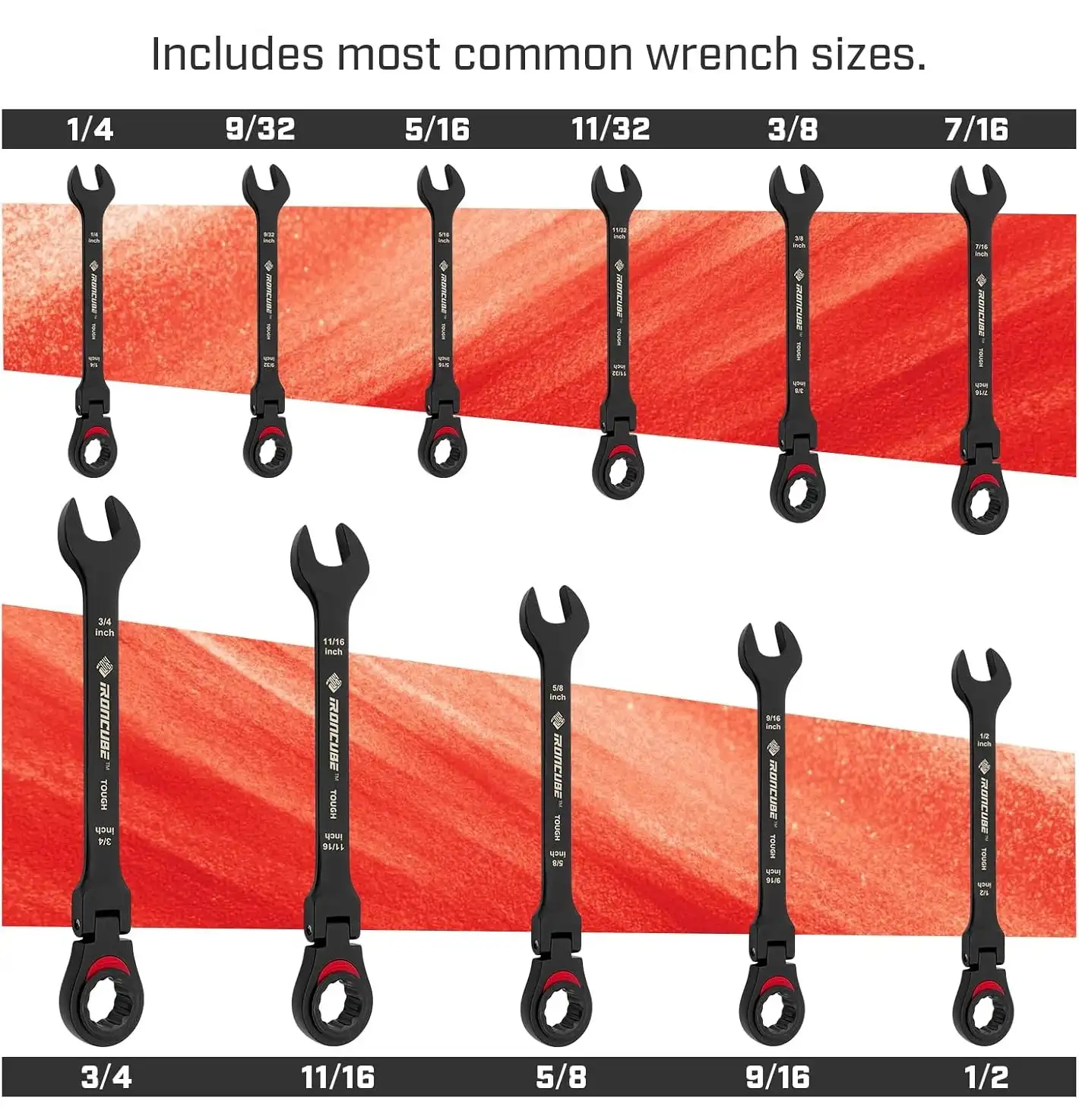
The IRONCUBE 10-piece metric ratcheting wrench set covers sizes from 8mm through 19mm, which handles approximately 90% of typical automotive needs. For specialized work, you might eventually add individual wrenches to fill gaps.
How to Choose Metric Ratcheting Wrench Set Reversible
This is the central part of your SEO topic, ensuring the focus keyword appears naturally and repeatedly.
1. Material and Build Quality
The primary indicator of longevity is the metal composition used in manufacturing. When learning how to choose metric ratcheting wrench set reversible, always prioritize:
• Chrome Vanadium Steel (Cr-V)
Resists corrosion, delivers high torque, and performs well in automotive environments.
• Chrome Molybdenum (Cr-Mo)
Stronger than Cr-V, recommended for professionals handling heavy-duty fasteners.
A brand like Ironcube uses advanced metal processes to ensure every wrench delivers optimal performance under stress. Their 20-Piece SAE + Metric Ratcheting Set is a great example of premium-grade steel done right.
2. Gear Tooth Count: The Higher, The Better
To understand how to choose metric ratcheting wrench set reversible, tooth count is one of the most overlooked factors.
Why it matters:
A wrench with 72–120 teeth requires less movement for each click, making it ideal for compact engine bays or machinery.
Example Comparison Table
| Tooth Count | Best For | Movement Required |
|---|---|---|
| 72 Teeth | Standard mechanical work | 5° arc |
| 90 Teeth | Automotive repairs | 4° arc |
| 100+ Teeth | Precision + tight spaces | 3° or less |
For professionals who work in tight environments, Ironcube’s reversible wrench sets on Amazon—like this one: Ironcube Reversible Ratcheting Set
offer excellent gear smoothness with minimal backdrag.
3. Reversible Switch Quality
The defining characteristic of these tools is the reversible lever. But not all switches are equal. Some are loose, prone to wear, or fail under pressure.
When evaluating how to choose metric ratcheting wrench set reversible, check for:
• Tight, tactile switch movement
• No wobble or mechanical instability
• Reinforced gear housing
Wrench sets such as the Ironcube Combination Ratcheting Wrench Set have a reinforced directional lever for durability.
4. Flex-Head vs Fixed-Head Design
A reversible wrench may come with a flexible head joint, which enhances maneuverability.
Fixed-Head
Better for heavy torque and stability.
Flex-Head
Ideal for tight spaces requiring angle adjustments.
Understanding which head type suits your work is essential to mastering how to choose metric ratcheting wrench set reversible based on your mechanical environment.
5. Metric Range and Set Completeness
Metric sets should ideally include sizes from:
8mm to 19mm,
with some premium kits extending to 21mm or 22mm.
The more sizes included, the more versatile your wrench set becomes.
If you prefer a well-rounded set, Ironcube’s 10-piece metric ratcheting wrench set is a strong choice:
https://ironcubeworks.com/product/ironcube-10pcs-metric-ratcheting-wrench-set-withrolling-pouch/
6. Handle Design and Comfort
The handle structure plays a major role in long-term usage. Comfortable grip reduces fatigue during extended mechanical work.
Look for:
• Ergonomic curvature
• Anti-slip finish
• Smooth chrome plating
Mechanics who prefer lightweight tools will particularly appreciate Ironcube’s streamlined handle designs.
7. Storage and Portability
Organization helps avoid delays at work. Good wrench sets come with:
• Rolling pouches
• Blow-molded cases
• Numbered slots
Ironcube’s rolling-pouch sets are well-loved among traveling mechanics and motorcycle engineers.
8. Brand Reliability and Service Support
A good wrench is an investment. Reputable brands offer warranties, customer support, and documented product testing.
Ironcube provides responsive customer service through:
👉 Contact Page
A trusted brand is essential when learning how to choose metric ratcheting wrench set reversible with long-term value in mind.
9. Real-World User Feedback
Before purchasing, check:
• Torque performance
• User reviews
• Mechanical use-case evaluations
• Wear studies
Amazon product pages like the Ironcube Brake Line Wrench offer verified buyer feedback, helping users validate durability and usability.
Reversible vs. Non-Reversible and Fixed Head: A Critical Comparison
It’s worth pausing to understand the landscape. The reversible metric ratcheting wrench set exists alongside other types, and knowing the difference is crucial.
Non-Reversible Ratcheting Wrenches: These tools only ratchet in one direction. To change direction, you must physically remove the wrench from the fastener and flip it over. While often slightly slimmer because they lack a reversing mechanism, they sacrifice a tremendous amount of convenience. For quick jobs in open spaces, they might suffice. For complex, confined work, they are often a poor choice.
Fixed Head Combination Wrenches: The traditional tool. No ratcheting mechanism at all. While incredibly strong and reliable, they are the slowest option by a significant margin. Every quarter-turn requires re-positioning.
The reversible ratcheting wrench is the perfect synthesis of strength, speed, and convenience. It is the definitive modern evolution of the combination wrench. For a detailed, side-by-side breakdown, our comparison of reversible vs. fixed head wrenches is an essential read.
Top Applications for Your Reversible Metric Set
Understanding the “where” and “why” helps justify the investment. These wrenches excel in numerous scenarios:
Automotive Repair: Modern engine bays are notoriously cramped. Working on alternators, intake manifolds, or thermostat housings often requires navigating a labyrinth of hoses and wiring. The low swing arc and reversible action of a good ratcheting wrench are invaluable here.
Motorcycle and ATV Maintenance: Motorcycles are a symphony of tightly packed components. From adjusting chain tension to working on brake calipers and engine cases, the compact nature of a reversible wrench set makes it a perfect fit. The IronCube set designed for motorcycle maintenance is a prime example of a tool tailored for this specific application.
Bicycle Repair and Assembly: High-end bicycles use precision metric fasteners. A reversible ratcheting wrench provides the control and speed needed for efficient assembly and tuning.
Industrial Machinery and Equipment: Factory maintenance teams rely on speed and reliability. The ability to quickly service machinery with metric fasteners minimizes downtime and keeps production lines moving.
Investing in Your Toolkit: The IronCube Advantage
When you decide it’s time to upgrade your toolkit, the choice of brand is paramount. IronCube Works has built a reputation on manufacturing professional-grade tools that meet the demands of serious mechanics without the exorbitant price tag of truck brands.
Our focus is on superior materials, intelligent design, and rigorous testing. For instance, our 10-piece Metric Ratcheting Wrench Set embodies these principles:
- High-Performance Chrome Vanadium Steel: Forged for exceptional strength and durability.
- 72-Tooth Ratcheting Mechanism: A mere 5-degree swing arc for work in ultra-tight spaces.
- Precision Flank Drive Jaw Design: Maximizes contact on the fastener flats to prevent rounding.
- Convenient Reversible Lever: Easy-to-use thumb lever for quick direction changes.
- Ergonomic Design: Slim head and balanced beam handle for reduced fatigue.
This commitment to quality ensures that when you choose an IronCube set, you’re not just buying a tool; you’re investing in a solution that will enhance your capabilities and productivity for years to come. Explore what many consider the best ratcheting wrench set reversible on the market.
Summary
Choosing the right metric ratcheting wrench set requires careful consideration of several factors. Material quality, tooth count, handle design, and reversing mechanism reliability all contribute to overall performance and durability. Understanding how to choose a metric ratcheting wrench set reversible means evaluating these characteristics against your specific needs, whether you’re a professional mechanic tackling jobs daily or a home enthusiast working on weekend projects.
Focus on sets that cover the 8mm to 19mm range for comprehensive automotive coverage. Prioritize 72-tooth or higher ratcheting mechanisms for smooth operation in tight spaces. Look for chrome vanadium steel construction with proper heat treatment. Verify warranty coverage and manufacturer reputation before purchasing.
With the right information and thoughtful evaluation, you’ll find a wrench set that serves reliably for years to come. Quality tools make every project easier and more enjoyable, turning frustrating repairs into satisfying accomplishments.
FAQs
Q1: Can I use a reversible metric ratcheting wrench for high-torque applications?
Yes, but with caution. While high-quality sets like those from IronCube are built from hardened chrome vanadium steel for strength, the ratcheting mechanism has a torque limit. For breaking loose extremely tight or seized fasteners, it is always best to use a standard fixed wrench or a breaker bar first to “crack” the bolt, then switch to the ratcheting wrench for speed.
Q2: How do I maintain and clean my reversible ratcheting wrench set?
After use, wipe them down with a clean, dry cloth to remove dirt, grease, and moisture. For a deeper clean, use a mild solvent and a brush to clean the jaws and the reversing switch. It’s a good practice to occasionally apply a single drop of a light machine oil (like 3-in-1 oil) into the ratcheting mechanism and work it in by cycling the direction a few times.
Q3: What is the main advantage of a reversible mechanism?
The primary advantage is unparalleled efficiency in confined spaces. The reversible mechanism allows you to change the driving direction (from tightening to loosening) with a flick of a thumb switch without having to remove the wrench from the fastener.
Q4: My set doesn’t include a certain size I need. What are my options?
Most manufacturers, including IronCube, sell individual wrenches to complement their sets. If you have a 8-19mm set but frequently need a 21mm, purchasing that single wrench is the most economical solution.
Q5: Are there any tasks where a standard wrench is better than a ratcheting wrench?
Absolutely. Standard fixed-head wrenches are superior for applying very high levels of torque, such as breaking loose seized bolts or performing final torque sequences on critical components like cylinder heads or lug nuts. The solid construction of a fixed wrench has no small internal parts to fail under extreme stress. They are also more durable over the very long term as they have no moving parts to wear out. A combination of both types in your toolbox is ideal.