Selecting the right tools often feels like choosing a side in a long-standing historical debate. If you have ever reached for a wrench only to find it slightly too loose or just a hair too tight, you have experienced the friction between the two primary measurement systems used in mechanics today. Deciding between a metric vs SAE wrench isn’t just about personal preference; it is about matching your equipment to the engineering standards of the machinery you are servicing.
Whether you are a weekend warrior fixing a lawnmower or a budding professional mechanic, understanding the metric vs SAE wrench distinction is the first step toward preventing rounded bolt heads and frustrated afternoons. In this comprehensive guide, we will break down the history, the mechanical differences, and the practical applications of each system to help you build a toolkit that never lets you down.
What Do Metric and SAE Actually Mean?
Understanding the difference between wrench systems starts with understanding the measurements behind them.
SAE — The American Standard Measurement System
SAE stands for the Society of Automotive Engineers, now known as SAE International. The organization helped standardize automotive and industrial engineering measurements in the United States during the early 20th century.
SAE wrench sizes are based on inches and fractions of inches.
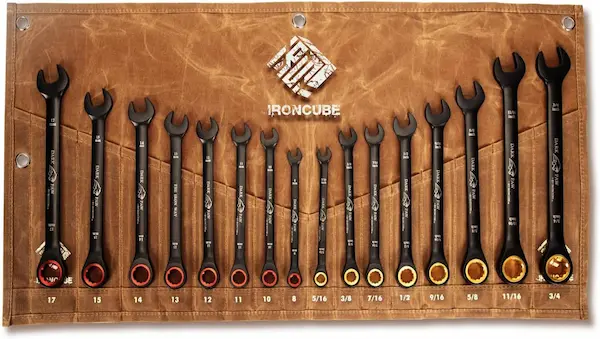
Common SAE wrench sizes include:
- 1/4 inch
- 3/8 inch
- 7/16 inch
- 1/2 inch
- 9/16 inch
- 3/4 inch
These sizes became standard in American-made cars, trucks, agricultural equipment, and industrial machinery for decades.
If you work on older Ford, Chevrolet, Dodge, or Harley-Davidson equipment, you will likely encounter SAE fasteners regularly.
According to SAE International, many legacy engineering systems in North America still use inch-based measurements because redesigning entire manufacturing systems would be extremely expensive.
You can learn more about the history of wrench development from the Wikipedia wrench overview.
Metric — The Global Standard in Millimeters
Metric tools use millimeters instead of inches.
Common metric wrench sizes include:
- 8mm
- 10mm
- 12mm
- 13mm
- 14mm
- 17mm
- 19mm
Today, the metric system dominates global manufacturing because it is simpler, easier to standardize, and universally accepted.
Most vehicles made after the late 1990s use metric fasteners almost exclusively, including:
- Toyota
- Honda
- BMW
- Mercedes-Benz
- Hyundai
- Kia
- Volkswagen
Even many American manufacturers gradually switched to metric hardware because global supply chains demanded standardized measurements.
If you are wondering about the exact SAE vs metric difference, the answer comes down to measurement units:
- SAE = inches
- Metric = millimeters
That single difference affects compatibility, precision, and tool selection.
For a deeper comparison, check the detailed guide on SAE vs metric wrenches complete comparison guide.
Why the Metric System Dominates Modern Manufacturing
The metric system became the preferred global standard because it simplifies calculations and reduces production errors.
Instead of fractions like 7/16 or 9/32, metric sizes use simple decimal-based numbers.
That may sound minor, but in manufacturing environments, small efficiencies save enormous amounts of money.
A study published by the National Institute of Standards and Technology (NIST) found that standardized metric manufacturing significantly improves interoperability across international supply chains.
This is why nearly all modern vehicles, industrial robots, electronics, and appliances now rely on metric fasteners.
However, SAE tools still remain important in industries that continue using older American equipment.
That is why the metric vs SAE wrench debate is still relevant today.
The Biggest Myths About Metric vs SAE Wrenches Debunked
Many tool users still believe outdated myths about wrench systems. Some of these myths can actually damage bolts and create dangerous repair situations.
Myth 1 — You Can Swap Metric and SAE Wrenches If They Are Close
This is one of the most common mistakes beginners make.
Yes, some sizes appear very close:
| Metric Size | Close SAE Equivalent |
|---|---|
| 10mm | 3/8 inch |
| 13mm | 1/2 inch |
| 16mm | 5/8 inch |
| 19mm | 3/4 inch |
But “close enough” is often not safe enough.
Using an almost-correct wrench increases the risk of:
- Rounded bolt heads
- Slipping tools
- Injured knuckles
- Damaged fasteners
- Reduced torque accuracy
Professional mechanics almost never substitute wrench systems unless absolutely necessary.
If you need a quick size reference, the printable metric to SAE wrench size conversion chart is extremely helpful.
Myth 2 — American Cars Only Use SAE Sizes
This was true decades ago, but not anymore.
Modern American vehicles use a mixture of metric and SAE fasteners.
For example:
- Ford switched heavily toward metric hardware during the 1980s
- GM adopted metric systems in many engines and transmissions
- Chrysler gradually integrated metric components into global platforms
Today, even American-made vehicles frequently require both wrench systems.
That is why most mechanics carry complete dual wrench sets.
Myth 3 — Metric Wrenches Are Always Better Quality
Wrench quality depends on materials and manufacturing, not measurement systems.
A premium SAE wrench from a trusted manufacturer can outperform a cheap metric wrench easily.
The most important factors are:
- Steel quality
- Heat treatment
- Precision machining
- Surface finish
- Grip ergonomics
The measurement system itself has nothing to do with durability.
When You Need Metric Wrenches
There are several situations where metric tools become absolutely necessary.
Import Vehicles — Japanese, German, Korean Cars
If you work on imported vehicles, metric tools are mandatory.
Manufacturers like Toyota, Nissan, BMW, Audi, Hyundai, and Honda use metric fasteners almost exclusively.
Some of the most commonly used automotive metric sizes include:
- 8mm
- 10mm
- 12mm
- 14mm
- 17mm
In fact, the 10mm socket has become legendary among mechanics because it disappears constantly due to heavy usage.
If you own modern imported vehicles, investing in quality metric tools should be your first priority.
The IronCube Works homepage includes multiple professional hand tool options suitable for automotive maintenance.
Modern Machinery and Industrial Equipment
Industrial systems increasingly rely on metric fasteners because global manufacturing uses metric standards.
You will commonly find metric hardware in:
- CNC machines
- Factory robotics
- Industrial conveyors
- Agricultural imports
- Hydraulic systems
- Commercial generators
Professionals in manufacturing environments often rely primarily on metric tools because international suppliers standardize around millimeters.
Electronics and Appliance Fasteners
Electronics manufacturers almost universally use metric hardware.
That includes:
- Computers
- Washing machines
- Refrigerators
- Microwaves
- Air conditioners
- Smartphones
Tiny fasteners require precision. Using incorrect tools can easily strip sensitive components.
If you regularly repair electronics or appliances, pairing your wrench collection with precision screwdriver kits is smart. The best screwdriver sets of 2026 guide covers excellent options for delicate repairs.
Why Most Professionals Buy Both — The Dual Set Strategy
Professional mechanics and serious DIYers rarely choose between metric and SAE. They simply buy both. Relying on a single system creates unnecessary bottlenecks when you encounter an outlier fastener. Imagine tearing down an engine and suddenly finding a single SAE bolt holding an accessory bracket in place. If you only own metric tools, you must stop working, drive to the hardware store, and buy the missing wrench just to finish the job. This wasted time costs professionals money and ruins the momentum of a weekend project for hobbyists. Buying a comprehensive dual set ensures you always have the exact right tool in your hand. Many premium tool brands now sell combined master sets that organize both measurement systems in a single, compact blow-molded case. This dual strategy eliminates guesswork and maximizes efficiency. If you are building your ultimate toolkit, you should definitely explore the high-quality options available directly on the IronCube Works homepage.

Metric to SAE Wrench Conversion Quick-Reference Table
Even experienced mechanics sometimes need a quick reference when they encounter an unlabeled fastener. While we strongly advise against forcing the wrong wrench onto a bolt, knowing the closest equivalents helps you identify mystery hardware. You can download a highly detailed version of this data from our printable metric to SAE wrench size conversion chart. The table below highlights the most common sizes you will find in a standard garage.