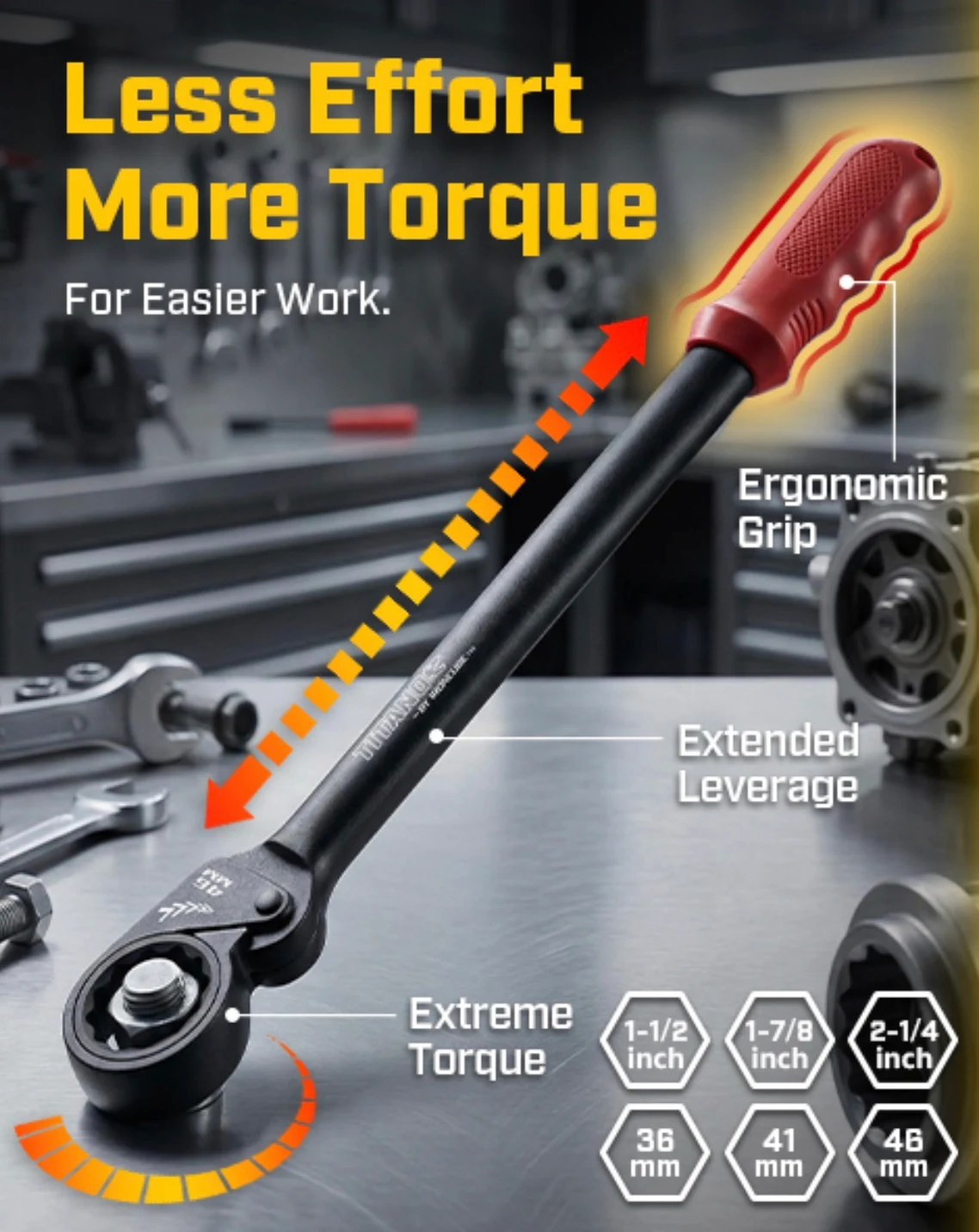
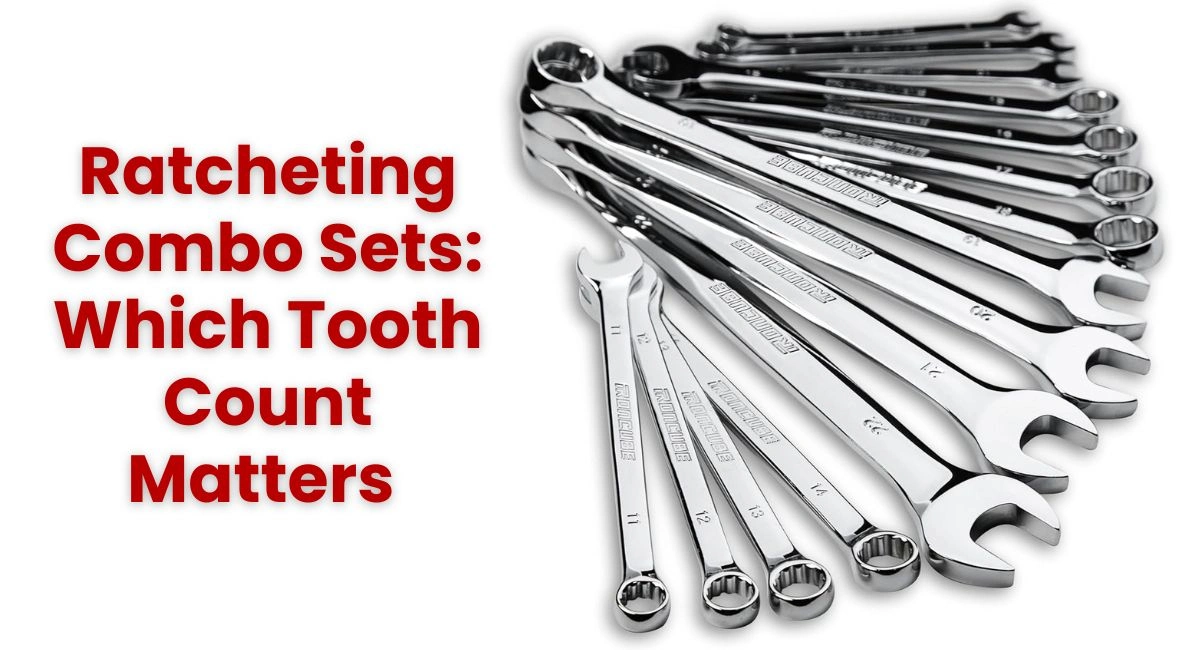
When you’re tightening bolts under a car or assembling machinery in a tight corner, you don’t have time for tools that make you struggle. That’s where ratcheting combo sets step up. These wrenches merge precision and power, making every turn smoother and faster. But have you ever noticed some ratchets feel more fluid while others take longer to click? The secret lies in one simple yet powerful detail—tooth count.
In this in-depth guide, we’ll explore why tooth count matters, how it impacts your tool’s efficiency, and how brands like Ironcube Works engineer their combination wrenches for peak performance. We’ll even break down a tooth count conversion chart to help you make smarter buying decisions.
What Are Ratcheting Combo Sets?
Ratcheting Combo Sets are a combination of a wrench and a ratcheting mechanism, designed to make fastening and loosening bolts more efficient. Unlike traditional wrenches, which require repositioning after each turn, ratcheting combo sets allow for continuous motion in one direction, saving time and effort. These sets typically include a range of sizes to accommodate different bolt and nut dimensions, making them a versatile tool for various applications.
A ratcheting box-end, which allows continuous motion in one direction while preventing backward motion.
An open-end wrench, perfect for quick loosening and tightening.
Whether you’re working on a car, motorcycle, or household appliance, a ratcheting combo set can significantly improve your workflow. For example, the Ironcube Combination Wrenches Sets are engineered for durability and precision, making them a favorite among professionals and hobbyists alike.
Why Tooth Count Matters in Ratcheting Combo Sets
The tooth count of a ratcheting combo set refers to the number of teeth on the ratcheting mechanism. This number directly impacts the tool’s performance in several ways:
- Degree of Rotation: A higher tooth count means a smaller degree of rotation is needed to engage the next tooth. This is particularly useful in tight spaces where you can’t swing the wrench widely.
- Smoothness: More teeth result in smoother operation, reducing the effort required to turn the wrench.
- Durability: While higher tooth counts offer smoother operation, they may also be more prone to wear and tear. Balancing tooth count with material quality is essential.
For instance, a 72-tooth ratcheting combo set allows for a 5-degree swing, making it ideal for confined spaces. On the other hand, a 36-tooth set may require a 10-degree swing, which could be cumbersome in tight spots.
Why Does Tooth Count Matter?
Tooth count directly affects the wrench’s range of movement when working in tight spaces. For example, a 72-tooth ratchet requires only a 5-degree swing arc to engage the next tooth, whereas a 24-tooth ratchet needs a 15-degree swing.
This difference is crucial in confined areas where space to rotate a wrench handle fully is restricted.
Choosing the right tooth count depends on your typical working environment and task precision:
For tight spaces or delicate work, a high tooth count ratcheting combo set is better.
For fast work on open job sites, a lower tooth count wrench might be sufficient.
Using a Torque Wrench Safely and Accurately with Ratcheting Combo Sets
Though torque wrenches and ratcheting wrenches serve related but distinct purposes, many combo sets integrate ratcheting features into torque wrenches.
Step-by-Step Safe Use of Torque Wrenches
Select the Correct Torque Range: Always match the torque wrench to the required torque specification for your fastener.
Set the Torque Properly: Adjust the torque wrench to the prescribed setting. Avoid exceeding limits as this can strip threads or damage components.
Use Ratcheting Ends Correctly: When using a ratcheting combo wrench attached to a torque wrench, engage the ratchet properly to minimize slippage.
Apply Torque Smoothly: Pull the torque wrench handle steadily to avoid jerking forces that can cause over-torquing or misreading.
Check Calibration Regularly: Maintain accuracy by having your torque wrench calibrated as per manufacturer recommendations.
Choosing the Right Ratcheting Combo Set for Your Needs
When selecting a ratcheting combo set, consider the following factors:
- Tooth Count: As discussed, a higher tooth count offers greater precision and ease of use in tight spaces.
- Material: Look for sets made from high-quality materials like chrome vanadium steel, which ensures durability and resistance to corrosion.
- Size Range: Ensure the set includes the sizes you’ll need for your specific tasks.
- Ergonomics: Comfortable handles and a lightweight design can reduce fatigue during prolonged use.
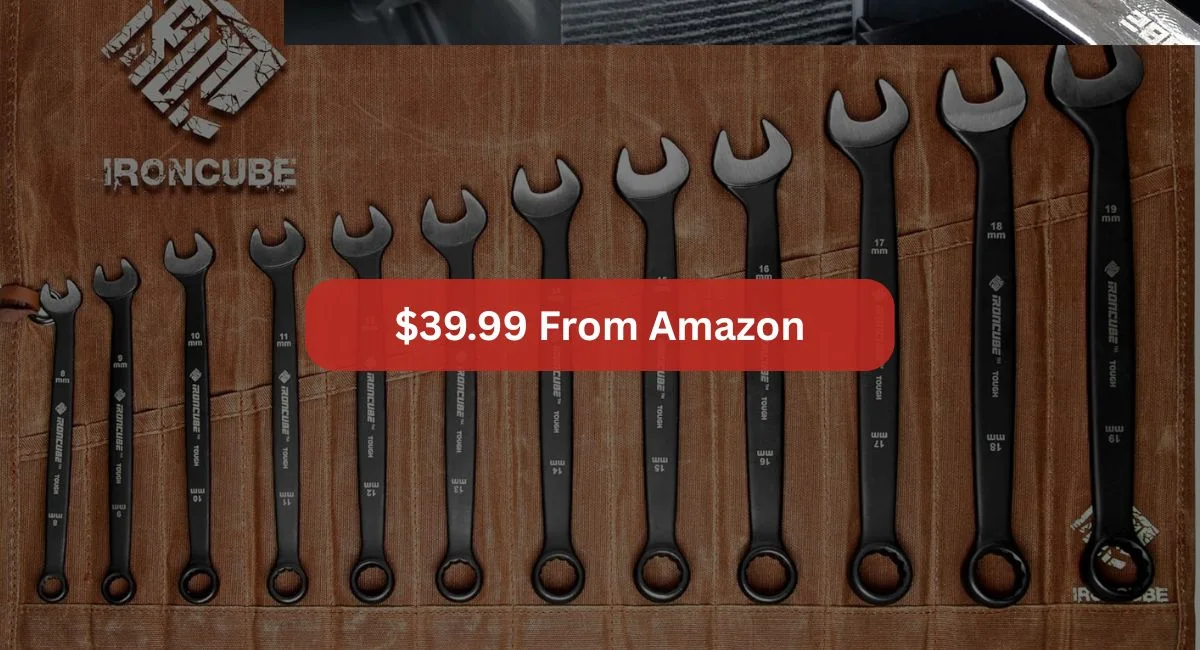
For example, the Ironcube 15PCS Metric Combination Wrench Set offers a comprehensive size range and ergonomic design, making it a top choice for professionals.
AND Explore premium options like the Ironcube Combination Wrench Sets to balance precision, durability, and price.
Comparison: Ratcheting vs. Non-Ratcheting Wrenches
While ratcheting combo sets offer convenience, traditional non-ratcheting wrenches have their own advantages. Non-ratcheting wrenches are generally more durable and suitable for high-torque applications where precision isn’t as critical. For example, the Non-Ratcheting Wrenches Amazon Sets are ideal for heavy-duty tasks.
However, for most everyday applications, the efficiency and ease of use offered by ratcheting combo sets make them the preferred choice.
Ratcheting Tooth Count Conversion Chart
| Tooth Count | Degrees Per Click (Swing Arc) | Best For | Performance Insight |
|---|---|---|---|
| 36 Teeth | 10° | Heavy-duty applications | Strong torque but less precision |
| 60 Teeth | 6° | General maintenance | Balance of power and accessibility |
| 72 Teeth | 5° | Automotive & mechanical work | Smooth motion, common choice |
| 90 Teeth | 4° | Tight spaces | Excellent balance of precision and power |
| 120 Teeth | 3° | High-precision & limited access areas | Ultra-smooth operation, premium feel |
This table shows that the higher the tooth count, the finer the control. But there’s a trade-off—ratchets with more teeth can sometimes handle slightly less torque due to thinner teeth. So, the trick is to match tooth count to task.
If you often deal with compact areas like engine bays, opt for 90-tooth or 120-tooth ratchets. For larger bolts or high-torque jobs, a 60-tooth wrench might serve you better.
How to Use a Ratcheting Combo Set Safely and Accurately
Using a ratcheting combo set correctly ensures both safety and accuracy. Follow these steps:
- Select the Right Size: Match the wrench size to the bolt or nut to avoid slipping and potential injury.
- Position the Wrench: Place the wrench securely on the fastener and ensure it’s fully engaged.
- Apply Steady Pressure: Use smooth, controlled movements to avoid stripping the fastener.
- Check the Direction: Ensure the ratcheting mechanism is set to the correct direction (tightening or loosening).
For more tips on tool safety, check out Ironcube’s Customized Tools Guide.
Why Ironcube Wrenches Stand Out
Ironcube has made its mark by merging craftsmanship with innovation. Their ratcheting combo sets feature:
High-precision gears for consistent motion.
Heat-treated steel for a longer lifespan.
Compact design that fits into tight corners effortlessly.
Explore the full Ratcheting Combo Sets collection for various sizes and specifications. For trusted shopping, visit the Ratcheting Combo Sets Amazon SHOP. For a comparison with non-ratcheting options, check NON-RATCHETING WRENCHES Amazon Sets.
Learn more about wrench features on Ironcube’s YouTube Channel.
Where to Buy the Best Ratcheting Combo Sets
Looking to upgrade your toolkit? Explore:
Ironcube Works Official Store – for professional-grade tools.
Ratcheting Combo Sets Amazon SHOP – for fast delivery and verified reviews.
Customized Tools from Ironcube – tailor your wrenches to your needs.
Ironcube Store on Amazon – your one-stop shop for all Ironcube tools.
Summary
Selecting the right ratcheting combo set hinges on understanding the significance of tooth count and matching wrench specifications to your work environment. Higher tooth counts improve precision and usability in tight spaces, enhancing safety and accuracy when working with torque wrenches. Investing in quality tools like those available from ironcubeworks.com ensures durability, precise workmanship, and long-term value for every professional or enthusiast.
FAQs
What is the ideal tooth count for most ratcheting combo sets?
Most professionals recommend a 48 to 72 tooth ratchet for balanced precision and ease of use.
Can I use a ratcheting combo wrench for torque-intensive jobs?
Yes, provided the wrench is rated for the torque required. Always verify manufacturer specs.
How do I maintain the ratcheting mechanism properly?
Regularly clean, dry, and lightly oil the ratchet gear to prevent wear and rust.
What is the difference between ratcheting and non-ratcheting wrenches?
Ratcheting wrenches allow continuous turning without repositioning, while non-ratcheting require lifting and re-gripping.
Are combo sets available in both metric and SAE sizes?
Yes, combo sets typically include both metric and SAE options to suit diverse project needs.