
The SAE Brake Line Wrench Set represents one of the most critical investments any mechanic, whether professional or DIY enthusiast, can make for their toolkit. Brake lines are among the most sensitive components in a vehicle’s hydraulic system, and using improper tools can lead to stripped fittings, leaks, and potentially dangerous brake failure. This comprehensive guide explores everything you need to know about SAE brake line wrench sets, their sizes, compatibility standards, and how to select the perfect set for your specific needs.
Understanding SAE Brake Line Wrench Sets and Their Importance
The SAE Brake Line Wrench Set is specifically designed to work with brake line fittings that follow the Society of Automotive Engineers (SAE) standard measurements. Unlike general-purpose wrenches, brake line wrenches feature an open end with a specialized slot that allows the wrench to slip over the brake line tubing while gripping the hexagonal fitting. This unique design is what makes them indispensable for any brake system work.
What sets brake line wrenches apart is their precision engineering. Standard open-end wrenches, while appearing similar, often have tolerances that are too loose when working with brake fittings. The specialized design of brake line wrenches ensures a tight grip on the fitting, which prevents the common problem of rounded corners that can render a fitting unusable. When a fitting becomes rounded, it can cause brake line leaks and compromise your vehicle’s braking ability—a serious safety concern that cannot be overlooked.
Complete SAE Brake Line Wrench Set Sizes Guide
The standard SAE Brake Line Wrench Set typically includes a comprehensive range of sizes to accommodate different brake system configurations found across various vehicle manufacturers and model years. Understanding these sizes is crucial for ensuring you have the right wrench for any brake work you might encounter.
The most common SAE brake line wrench sizes include:
- 5/16 inch – One of the smallest sizes, often found on older vehicles and compact car models
- 3/8 inch – Extremely common across a wide range of vehicles and brake systems
- 7/16 inch – Frequently used in modern brake systems and imported vehicles
- 1/2 inch – Standard size for many domestic vehicles and heavy-duty applications
- 9/16 inch – Often found in larger vehicles and trucks
- 5/8 inch – Common in commercial vehicles and some luxury cars
- 11/16 inch – Used in specialized applications and certain European vehicles
- 3/4 inch – Larger size for heavy-duty truck and industrial applications
Material Composition and Quality Standards
When selecting your SAE Brake Line Wrench Set, understanding the materials used in construction is just as important as understanding the sizes available. High-quality brake line wrenches must meet rigorous standards for durability, strength, and precision.
Chrome-vanadium steel is the gold standard for brake line wrenches. This alloy combines chromium for corrosion resistance and vanadium for enhanced strength and toughness. The chromium content typically ranges from 1.5% to 2%, while vanadium comprises approximately 0.1% to 0.3% of the alloy composition. This combination creates a material that can withstand the pressures of brake system work without breaking or bending under stress.
The surface finish is equally important. Professional-grade brake line wrenches typically feature a polished or satin finish that not only looks professional but also provides superior grip and reduces the likelihood of slipping during use. Some premium sets include a mirror polish, which makes the wrenches easier to clean and maintain over extended periods.
Heat treatment processes in manufacturing determine how well the wrench will hold its shape and strength over years of use. Industrial-grade brake line wrenches undergo hardening processes that increase the Rockwell hardness rating to approximately 48-52 HRC (Hardness Rockwell C scale), ensuring they won’t deform when working with stubborn or corroded fittings.
Understanding SAE vs. Metric Brake Line Wrench Sets
One of the most common confusions among mechanics and automotive enthusiasts relates to the difference between SAE and Metric brake line wrench sets. This distinction is critical because using the wrong measurement system can result in damage to brake fittings and system failures.

SAE measurements, originating from American automotive standards, are based on fractions of an inch. This system has been the standard in North American vehicles for decades and continues to be used in many modern vehicles, particularly American-manufactured cars, trucks, and SUVs. The SAE system is expressed in measurements like 3/8″, 1/2″, and 5/8″.
Metric measurements, conversely, are based on millimeters and centimeters. This system is standard in European vehicles and increasingly common in Asian-manufactured cars. Metric brake line fittings use measurements like 8mm, 10mm, 12mm, 14mm, and 16mm. Many modern vehicles from manufacturers like Volkswagen, BMW, and others utilize metric brake systems.
The critical point to understand is that an SAE wrench will not fit a metric fitting and vice versa. Using an incorrect wrench size, even if it appears to fit initially, will quickly lead to rounded corners on the fitting. This damage can be irreversible and require the complete replacement of the brake line assembly. For this reason, many professional mechanics maintain both SAE and metric brake line wrench sets in their toolkit.
The <a href=”https://ironcubeworks.com/product-category/wrenches/”>Wrenches collection</a> at Iron Cube Works includes both SAE and metric options, allowing you to tackle any brake system regardless of vehicle origin or manufacture date.
SAE Brake Line Wrench Sizes to Metric Conversion Chart
Understanding the relationship between SAE and metric measurements is valuable for mechanics who work with vehicles from different regions or manufacturers. Below is a comprehensive conversion chart showing how SAE brake line wrench sizes correlate to their metric equivalents and their approximate conversions.
| SAE Size (inches) | Approximate Metric Equivalent (mm) | Common Usage | Wrench Type |
|---|---|---|---|
| 5/16″ (0.3125″) | 8mm | Compact vehicles, older models | Open-end |
| 3/8″ (0.375″) | 9-10mm | Most common size, mid-size vehicles | Open-end |
| 7/16″ (0.4375″) | 11mm | Modern vehicles, import cars | Open-end |
| 1/2″ (0.500″) | 12-13mm | Standard size, trucks, SUVs | Open-end |
| 9/16″ (0.5625″) | 14mm | Larger vehicles, commercial | Open-end |
| 5/8″ (0.625″) | 16mm | Heavy-duty, industrial applications | Open-end |
| 11/16″ (0.6875″) | 18mm | European vehicles, specialty applications | Open-end |
| 3/4″ (0.750″) | 19mm | Large trucks, commercial vehicles | Open-end |
Important note: The metric conversions shown in this chart are approximate. Direct mathematical conversion from SAE to metric doesn’t always yield standard metric sizes used in brake systems. This is why many modern vehicles use either exclusively SAE or exclusively metric systems rather than mixing the two. Always verify your specific vehicle’s brake fitting size by consulting the manufacturer’s service manual or using a caliper to measure the actual fitting size.
Selecting the Right SAE Brake Line Wrench Set for Your Needs
Choosing the appropriate SAE Brake Line Wrench Set depends on several factors including the vehicles you’ll be working on, your experience level, and your intended frequency of use.
For professional mechanics who service a wide variety of vehicles daily, a comprehensive set with all standard SAE sizes plus additional specialty wrenches is essential. These full-size professional sets typically include 8 to 10 different wrench sizes, providing coverage for virtually any brake system you’ll encounter. The investment in a premium set from <a href=”https://www.amazon.com/ironcube-Brake-Line-Wrench-Set/dp/B0CCZTQX43″>SAE Brake Line Wrench Set</a> will pay dividends through years of reliable use.
For home DIY enthusiasts who primarily work on one or two vehicles, a basic starter set with the most common sizes (3/8″, 1/2″, 9/16″, and 5/8″) is typically sufficient. These smaller sets take up less storage space and represent a more modest investment while still providing the tools needed for most home brake maintenance tasks.
For fleet maintenance operations, comprehensive sets with duplicates of the most commonly used sizes can increase efficiency by allowing multiple team members to work on different vehicles simultaneously. Some professional facilities maintain multiple sets organized by size for quick access during busy repair periods.
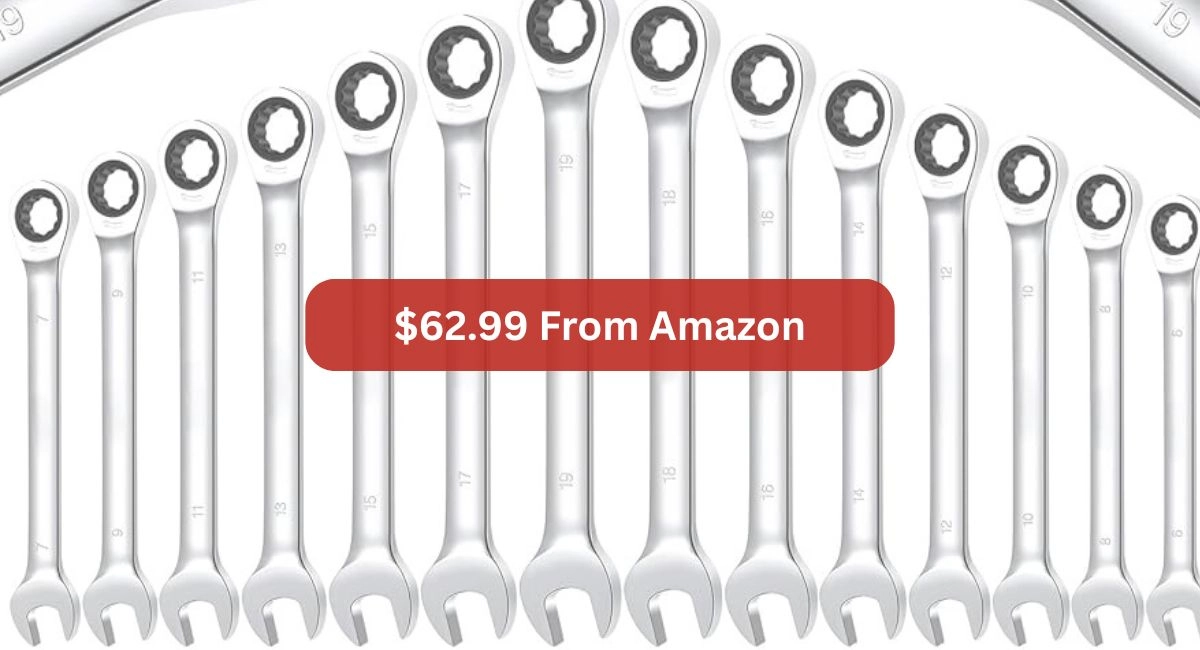
Ratcheting brake line wrenches represent an advanced option worth considering. Unlike traditional fixed wrenches, ratcheting versions allow the wrench head to pivot, making it easier to work in tight spaces around brake line routing. The <a href=”https://www.amazon.com/ironcube-Ratcheting-Wrench-Set-Men/dp/B0D6VNGVP3″>iron cube Ratcheting Wrench Set For Men: 16-Piece Metric & SAE</a> offers a comprehensive solution for those who want maximum flexibility in their toolkit.
Maintenance and Care for Long-Term Performance
Maintaining your SAE Brake Line Wrench Set properly ensures decades of reliable performance and maintains the precision necessary for safe brake system work. Regular maintenance is simple but essential.
After each use, gently clean your brake line wrenches with a soft cloth to remove brake dust, dirt, or fluid residue. Brake fluid and petroleum products can affect the finish and potentially cause corrosion, particularly in areas where the chrome plating might be thin or damaged. Use a mild soap and water solution for routine cleaning.
Monthly maintenance should include a more thorough cleaning with specialized tool cleaners if your wrenches are exposed to harsh conditions. Dry them immediately after cleaning to prevent water spots and potential rust formation.
Periodic inspections are crucial for identifying any damage early. Look for cracks, chips in the chrome finish, or signs of bending in the wrench body. Small chips in the chrome plating can be sealed with paint or specialized coating to prevent rust from developing. If you notice any significant damage, it’s better to replace the affected wrench rather than risk it failing during critical brake work.
Storage in a dry environment is essential for long-term preservation. High humidity environments can lead to rust formation, even on chrome-plated tools. If you live in a humid climate, consider adding silica gel packets to your storage case to absorb excess moisture.
Applications and Industry Standards
The SAE Brake Line Wrench Set is essential for numerous automotive applications beyond simple brake maintenance. Understanding these applications helps justify the investment in a quality set.
Brake system bleeding is among the most common uses for brake line wrenches. When air enters the brake system, brake line wrenches are used to carefully open bleeder valves without stripping them. The precision fit of a proper brake line wrench prevents the frustration of rounded valves that can’t be closed.
Brake line replacement is a major application requiring brake line wrenches. When replacing brake lines due to corrosion, damage, or system failures, you need proper wrenches to safely disconnect the old line from wheel cylinders, calipers, and the master cylinder, then reconnect the new line. Using improper tools can damage the connection points, leading to expensive repairs.
Brake fluid system flushing benefits from using brake line wrenches when disconnecting various system components. This procedure is necessary periodically to remove moisture and contamination from the brake system.
ABS system work on modern vehicles often requires brake line wrenches to access connection points on the ABS module. These precision tools prevent damage that could disable your vehicle’s anti-lock braking system.
Safety Considerations When Using Brake Line Wrenches
Safety should be your highest priority when working with brake systems. Proper use of your SAE Brake Line Wrench Set is critical.
Never substitute a regular wrench for a brake line wrench, even if it appears to fit. The consequences can be severe, including brake failure while driving. Always use the proper tool for the job.
Ensure the vehicle is properly supported with jack stands before working underneath it. Never rely solely on a jack. Brake work requires adequate space and stability, and improper support creates dangerous conditions.
Depressurize the brake system before attempting any brake line work. Most brake systems maintain pressure even with the vehicle off. Consult your vehicle’s service manual for the proper depressurization procedure.
Wear safety glasses when working with brake systems. If brake fluid splash occurs, it can cause eye irritation or injury. Proper protective equipment protects your health.
Have absorbent materials ready before opening any brake lines. Brake fluid is corrosive to paint and can damage components. Having rags or specialized brake fluid absorbent materials nearby prevents damage to your vehicle.
Advanced Brake Line Wrench Set Features to Consider
Modern SAE Brake Line Wrench Sets offer features beyond basic functionality that enhance usability and durability.
Flare wrench design in premium sets includes a dual-opening on each wrench, allowing access to both 6-point and 12-point fittings. This versatility increases the set’s usefulness across different brake system configurations.
Ergonomic handle design in high-end professional sets includes textured grips that prevent hand fatigue during extended use and reduce the chance of tools slipping from sweaty hands.
Mirror polish finishes make premium wrenches easier to clean and more resistant to corrosion. The increased reflectivity also makes it easier to see the wrench position in dim lighting conditions.
Size identification markings clearly laser-etched into the handle make it quick to identify the correct wrench without having to measure or compare sizes.
Integration with Your Overall Tool Collection
Your SAE Brake Line Wrench Set should integrate seamlessly with your broader collection of automotive tools. This integration ensures you can complete brake work efficiently and safely.
Torque wrenches are essential companions to brake line wrenches. After installing new brake lines or components, proper torque specifications must be maintained. For detailed guidance, explore <a href=”https://ironcubeworks.com/diy-projects-that-actually-need-a-torque-wrench/”>DIY projects that actually need a torque wrench</a> to understand when and why torque specifications matter in brake work.
Socket and ratchet sets complete your brake system toolkit. While brake line wrenches handle the specialized fitting work, sockets and ratchets handle wheel bolts, caliper bolts, and other fasteners encountered during brake maintenance.
Brake fluid containers and proper disposal methods integrate with your brake line work. After opening brake lines or flushing systems, you’ll need appropriate containers for the old brake fluid.
Diagnostic tools like brake pressure gauges help determine if brake system issues are related to fitting leaks that could result from improper wrench use. Professional mechanics often use these tools to verify brake system function after completing repairs.
The <a href=”https://www.amazon.com/stores/page/520B94B8-01CC-4F79-8F05-12B26EDD056C”>WRENCHES Amazon Tools Set</a> offers comprehensive options to complement your specialized brake line wrenches.
Specialized Brake System Variations
Different brake systems have unique requirements that your SAE Brake Line Wrench Set should accommodate.
Drum brake systems in older vehicles often use different fitting configurations than modern disc brakes. These systems may require additional wrench sizes not found in standard sets.
Disc brake systems with integrated ABS have more complex plumbing requiring a comprehensive wrench set to access all connection points safely.
Hydraulic brake assist systems in commercial trucks and trailers use specialized fittings that may exceed the size range of standard brake line wrench sets.
Air-over-hydraulic systems found in some commercial applications combine air and hydraulic components, requiring understanding of both systems’ fitting standards.
When to Replace Your SAE Brake Line Wrench Set
Understanding when replacement becomes necessary ensures continued safety and reliability in your brake work.
After visible damage like cracks, permanent bending, or significant chrome chipping, wrenches should be replaced rather than repaired. A single failed tool during brake work can create dangerous situations.
When precision becomes compromised and wrenches fail to grip fittings properly, even after cleaning and maintenance, replacement is necessary. Worn wrenches allow slipping that can round brake fittings.
During equipment upgrades when expanding your shop capabilities, replacing older basic wrenches with advanced ratcheting or locking versions enhances productivity and safety.
Preventive replacement of the oldest wrenches in your collection periodically, even if they’re still functional, reduces the risk of unexpected tool failure during critical work.
Summary
The SAE Brake Line Wrench Set is an indispensable tool for anyone working on automotive brake systems, whether you’re a professional mechanic or a serious DIY enthusiast. These specialized wrenches, available through retailers like SAE Brake Line Wrench Set Amazon SHOP, represent a worthwhile investment that protects both your vehicle’s safety and your financial investment.
Understanding the proper sizes, materials, and applications ensures you can tackle brake system maintenance and repairs confidently. The comprehensive SAE Brake Line Wrench Set size guide provided here gives you the knowledge to select appropriate tools for virtually any brake system configuration. From the most common 3/8″ and 1/2″ sizes to specialized larger sizes, knowing which wrenches you need is half the battle.
Proper tool selection, maintenance, and use prevent the common mistakes that can damage expensive brake components. By investing in quality brake line wrenches and understanding their proper application, you ensure your brake system remains safe and functional. Whether you’re bleeding brakes, replacing brake lines, or performing routine maintenance, the proper SAE Brake Line Wrench Set makes the work safer, easier, and more professional.