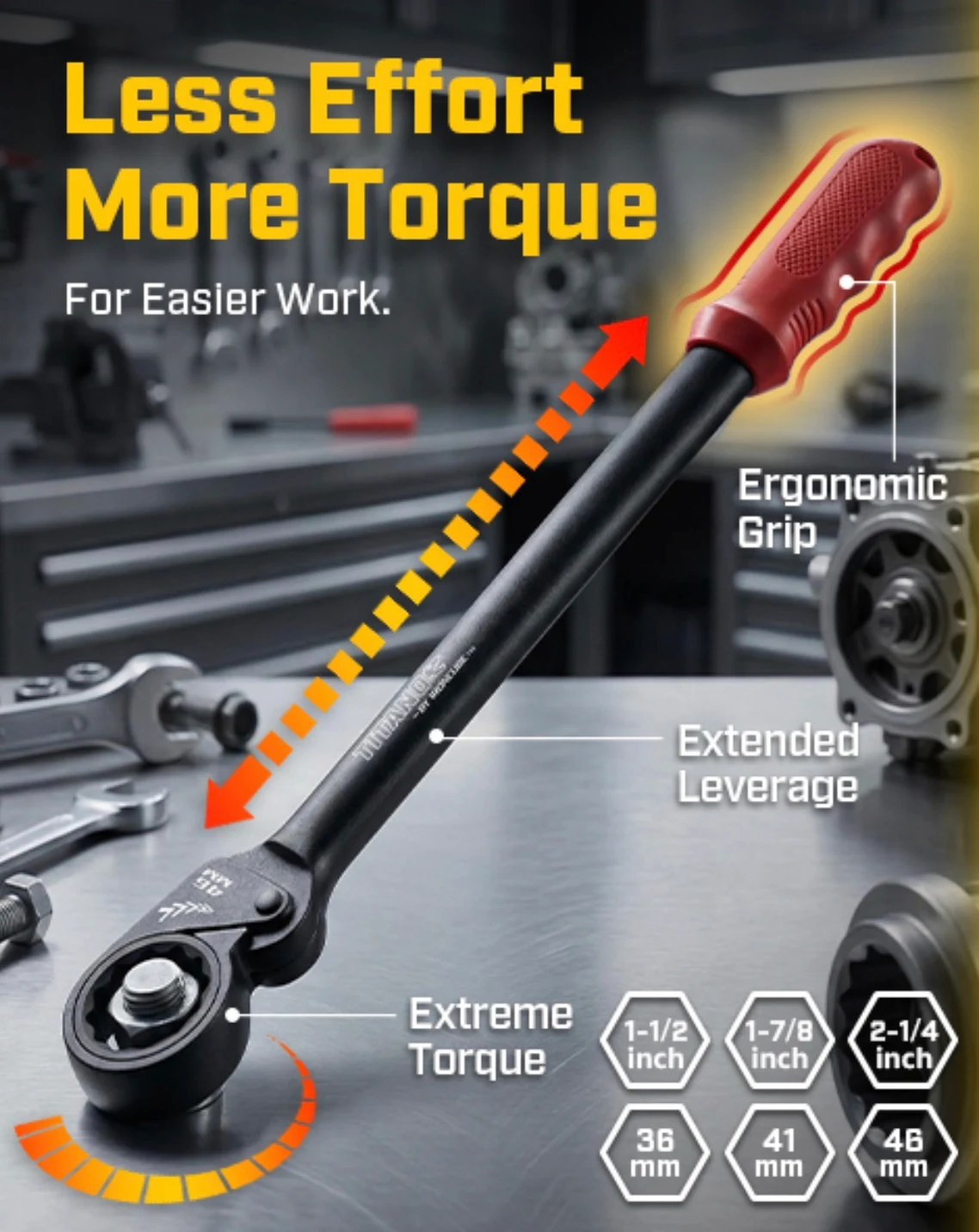

DIY projects and professional repairs, selecting between SAE vs metric wrenches can significantly impact your efficiency and results. SAE wrenches, measured in inches, dominate older American machinery, while metric wrenches, in millimeters, are standard for modern vehicles worldwide. At Ironcube Works, we offer versatile sets that bridge both systems, helping you tackle any job without frustration. This detailed comparison explores their differences, applications, pros and cons, and a handy conversion chart to guide your choice. Whether you’re wrenching on a classic Chevy or a new import, understanding SAE vs metric wrenches ensures precision and prevents fastener damage.
Both systems serve the same purpose—gripping nuts and bolts securely—but their sizing origins create unique strengths. SAE (Society of Automotive Engineers) uses fractional inches like 1/2″ or 9/16″, rooted in U.S. manufacturing traditions. Metric employs whole millimeters such as 13mm or 17mm, reflecting global standardization. Today, with even U.S. cars adopting metric fasteners, many toolkits blend both, but knowing when to reach for each saves time and avoids stripping bolts. Explore our wrenches selection for combo sets that cover SAE vs metric wrench needs.
What Are SAE Wrenches?
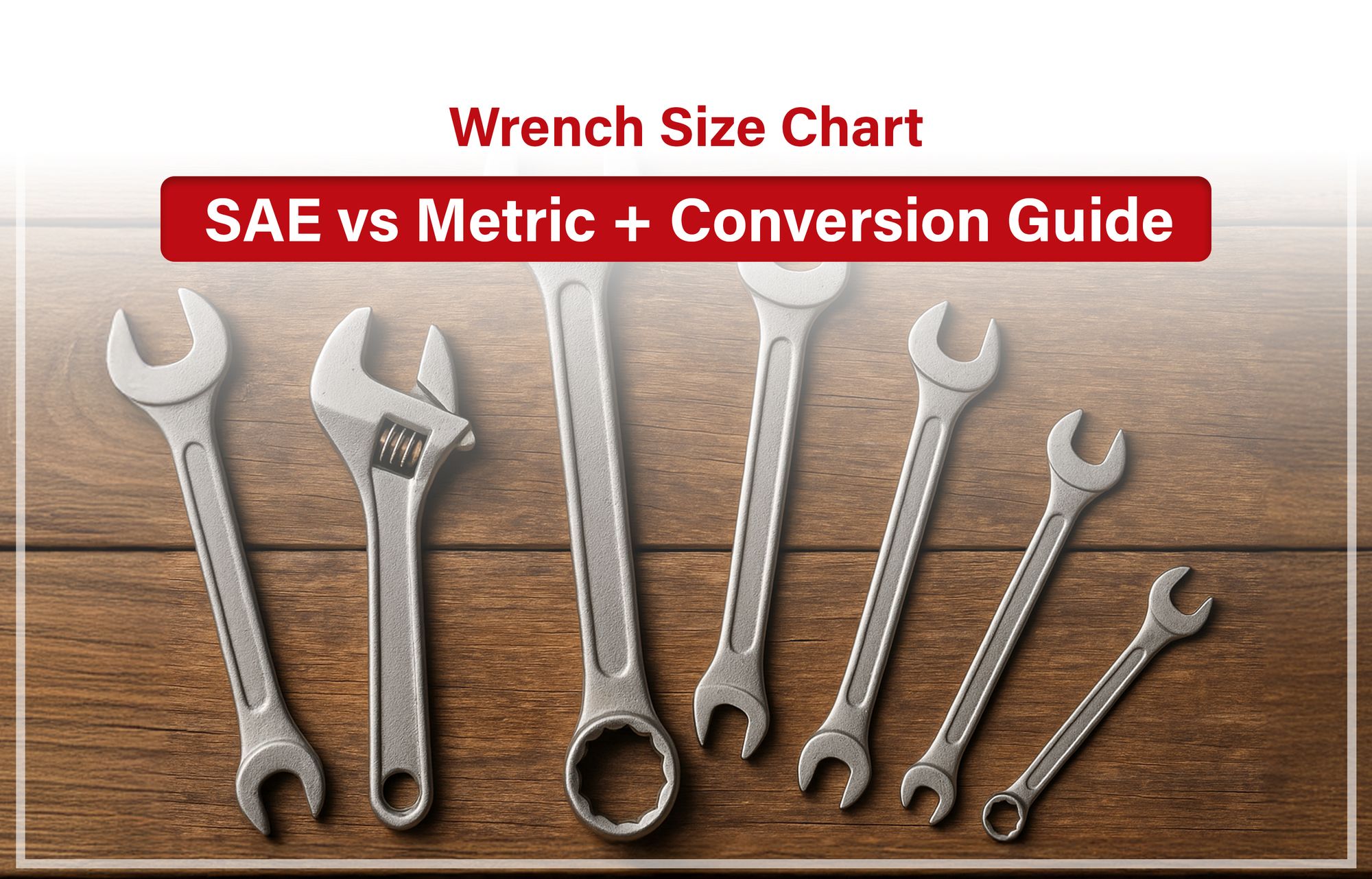
SAE wrenches are sized in imperial units, specifically fractions of an inch, designed primarily for American-made equipment. Common examples include 3/8″, 7/16″, 1/2″, and 9/16″, which fit fasteners on older domestic vehicles, plumbing fixtures, and household appliances. These tools feature open-end, box-end, or combination designs forged from chrome-vanadium steel for durability and torque resistance.
In automotive contexts, SAE wrenches excel on pre-1980s U.S. cars like Ford Mustangs or Chevy trucks, where bolts measure in inches. Their fractional sizing allows precise fits on hardware like brake lines or engine mounts. However, as globalization influences manufacturing, pure SAE applications have declined, with many modern U.S. vehicles mixing systems. SAE wrenches often have polished finishes to resist corrosion from oils and fluids.
Detailed construction includes 12-point or 6-point box ends for better grip—6-point for high-torque to prevent rounding. Lengths vary from stubby for tight spaces to long-handle for leverage. For versatility, consider our iron cube Ratcheting Wrench Set For Men: 16-Piece Metric & SAE, which includes essential SAE sizes alongside metric.
Users appreciate SAE wrenches for their familiarity in non-automotive tasks, such as furniture assembly or bike repairs on American brands. Yet, their fractional markings can confuse beginners compared to metric’s straightforward numbers.
What Are Metric Wrenches?
Metric wrenches, measured in millimeters, represent the international standard, with sizes like 10mm, 13mm, 14mm, and 17mm. Originating from the metric system adopted globally post-World War II, they fit fasteners on European, Asian, and increasingly American vehicles. These wrenches are ideal for imports like Toyota, BMW, or even newer Ford models, where precision mm sizing ensures snug fits.
The beauty of metric lies in its decimal progression—sizes increment by 1mm or 2mm, making selection intuitive. In engines, 10mm handles battery clamps, while 19mm tackles lug nuts. Material-wise, they’re similar to SAE: drop-forged alloy steel with satin chrome plating for easy cleaning.
Metric wrenches shine in high-volume production due to standardized ISO/DIN specs, reducing variability. For example, a 13mm wrench universally fits M10 bolts across brands. In workshops, they’re lighter and more compact for everyday carry. Shop our Ratcheting Combo Sets Amazon SHOP for ratcheting metric options that speed up repetitive tasks.
Beyond autos, metric dominates machinery, bicycles, and electronics. Professionals note fewer “almost fits” scenarios, minimizing frustration on global projects.
Key Differences Between SAE and Metric Wrenches
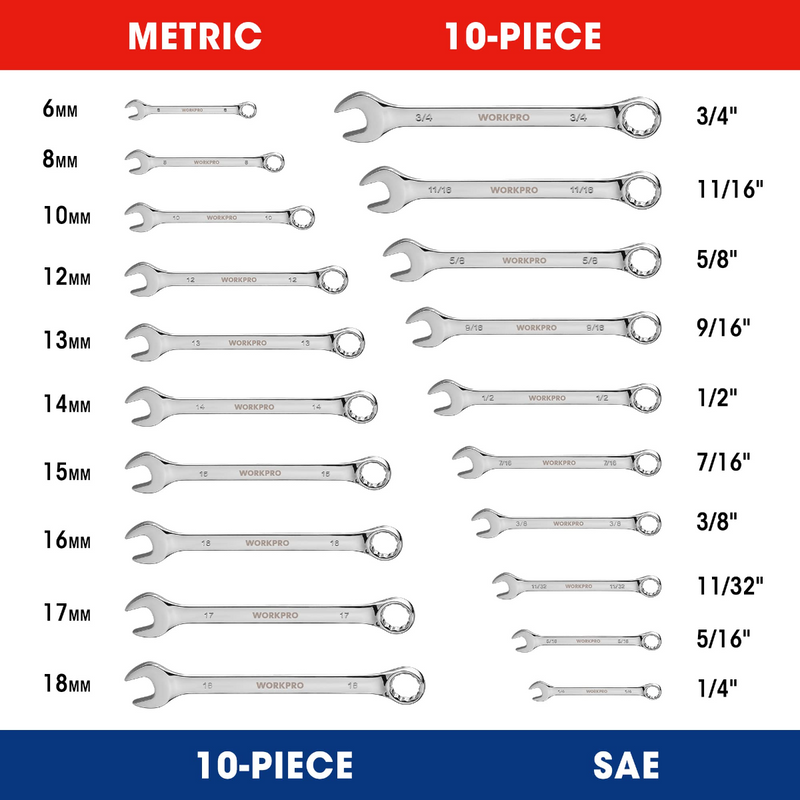
The core distinction in SAE vs metric wrenches boils down to measurement: inches vs. millimeters. This affects sizing, availability, and compatibility. SAE fractions (e.g., 1/2″ = 12.7mm) require memorization, while metric’s whole numbers simplify choices. Physically, both share designs like offset heads for clearance, but metric sets often include finer increments for precision work.
| Feature | SAE Wrenches | Metric Wrenches |
|---|---|---|
| Measurement Unit | Fractions of inches (e.g., 9/16″) | Millimeters (e.g., 14mm) |
| Common Range | 1/4″ to 1-1/2″ | 6mm to 36mm |
| Primary Use | Older U.S. vehicles, plumbing | Modern/global vehicles, machinery |
| Interchangeability | Limited; close but not exact fits | Limited; risk of rounding if forced |
| Availability | Declining in new tools | Dominant in current market |
| Precision | Good for imperial fasteners | Higher for decimal-based systems |
| Cost | Similar; combo sets economical | Often cheaper due to mass production |
Advantages of SAE Wrenches
Advantages of SAE wrenches include unmatched compatibility with traditional American hardware. On vintage cars or HVAC systems, a 7/16″ wrench fits perfectly without adapters, delivering full torque without slip. Their robust build handles heavy leverage, ideal for rusty bolts where metric approximations fail.
In plumbing, SAE sizes like 1/2″ align with pipe fittings, preventing leaks from poor grips. Availability in specialty stores caters to restorers. Fractional sizing, though quirky, becomes second nature for U.S.-focused pros, reducing toolbox clutter for dedicated jobs.
For torque-heavy tasks, SAE’s thicker shanks in larger sizes (e.g., 3/4″) provide stability. Pair with our WRENCHES Amazon Tools Set for comprehensive SAE coverage.
Advantages of Metric Wrenches
Advantages of metric wrenches center on universality and ease. With increments like 10mm to 12mm, they offer finer granularity for tight tolerances in engines or frames. Global standardization means a 17mm from any brand fits identically, simplifying sourcing.
In modern autos—even GM or Ford—metric dominates, covering 90% of repairs. Numerical sizing aids quick grabs in low light, and lighter weights reduce fatigue during long sessions. For DIYers, metric’s prevalence in IKEA furniture or bikes adds household utility.
Precision shines in aerospace or robotics, where mm accuracy prevents over-tightening. Eco-friendly manufacturing scales metric tools cheaper. For custom needs, check Ironcube Works customized.
When to Choose SAE Wrenches Over Metric
Opt for SAE wrenches when working exclusively on pre-1990s U.S. vehicles, aircraft, or imperial plumbing. In restoration shops, their exact fits on 9/16″ manifold bolts avoid downtime. For high-torque structural work like trailers, SAE’s leverage excels.
If your toolkit serves American appliances (e.g., washers with 3/8″ panels), SAE prevents adaptation hassles. In regions with legacy infrastructure, SAE remains prevalent.
When to Choose Metric Wrenches Over SAE
Metric wrenches are preferable for contemporary vehicles, imports, or international machinery. On a Honda Civic, 14mm caliper bolts demand metric for seamless turns. Their finer steps suit electronics or EVs with delicate mm fasteners.
For global travel or mixed fleets, metric’s dominance future-proofs your kit. In torque-critical DIY, like engine swaps, metric aligns with specs. See our DIY projects that actually need a torque wrench for complementary tools.
SAE to Metric Wrench Conversion Chart
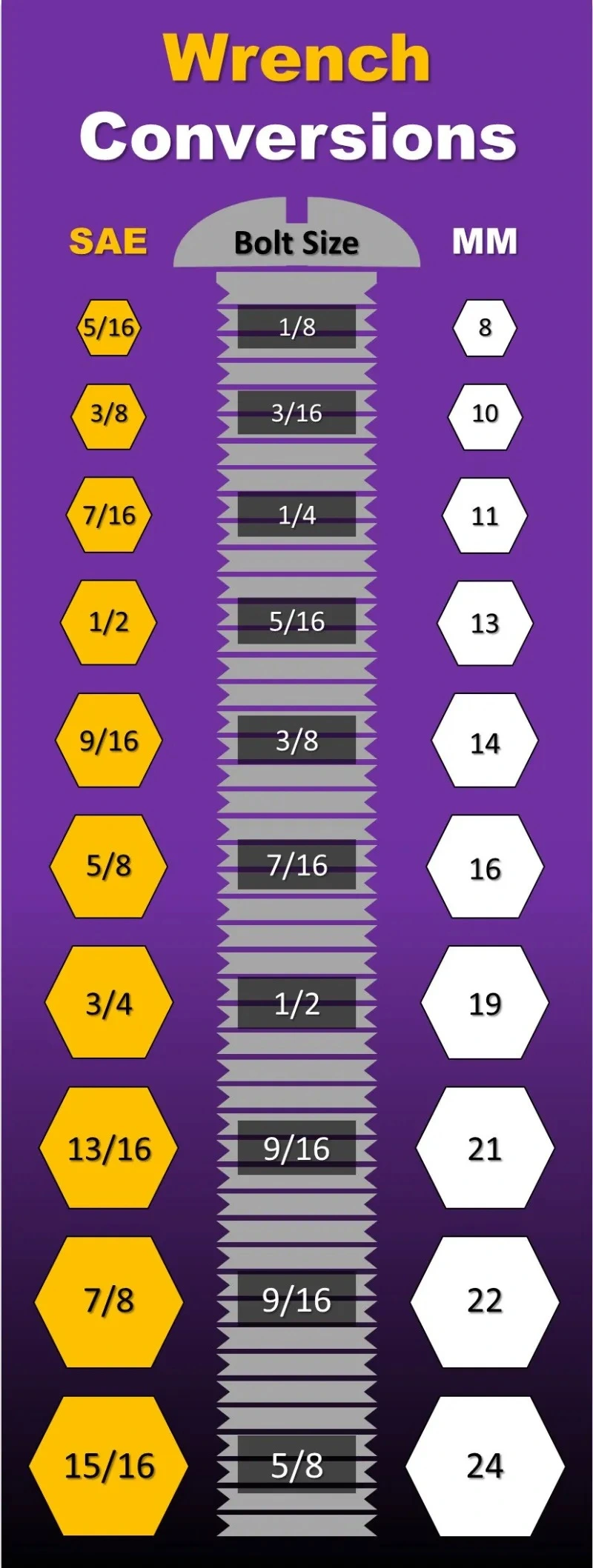
This SAE to metric wrench conversion chart lists closest equivalents—always test fit, as differences can cause damage.
| SAE (Inches) | Closest Metric (mm) | Notes on Fit |
|---|---|---|
| 1/4″ | 6mm | Very close |
| 5/16″ | 8mm | Near match |
| 3/8″ | 10mm | Very close |
| 7/16″ | 11mm | Slight mismatch |
| 1/2″ | 13mm | Often interchangeable |
| 9/16″ | 14mm | Slightly tight |
| 5/8″ | 16mm | Fair |
| 11/16″ | 17mm | Very close |
| 3/4″ | 19mm | Interchangeable |
| 13/16″ | 21mm | Some overlap |
| 7/8″ | 22mm | Close |
| 15/16″ | 24mm | Slight mismatch |
| 1″ | 25mm | Exact approx |
| 1-1/8″ | 29mm | Heavy duty |
| 1-1/4″ | 32mm | Industrial |
Common SAE Wrench Sizes for Automotive Use
Common SAE wrench sizes for automotive include 3/8″, 7/16″, 1/2″, 9/16″, and 5/8″. These fit older GM calipers (1/2″), Ford manifolds (9/16″), and Dodge frames (5/8″). In trucks, 3/4″ handles axles.
Common Metric Wrench Sizes for Automotive Use
Common metric wrench sizes for automotive are 10mm, 12mm, 13mm, 14mm, 17mm, and 19mm. 10mm for sensors, 17mm for shocks, 19mm for wheels.
Buying Guide: Selecting SAE vs Metric Wrench Sets
When buying SAE vs metric wrenches, assess your projects: metric for modern cars, SAE for classics, combos for versatility. Prioritize CR-V steel, lifetime warranties, and organization (pouches/racks). Budget $50-200 for 10-20 piece sets.
Test ratcheting for speed. Our Ironcube Amazon store features hybrids. Watch demos on YouTube.
Maintenance Tips for SAE and Metric Wrenches
Clean SAE and metric wrenches post-use with degreaser, dry thoroughly to prevent rust. Lubricate joints sparingly. Store in trays to avoid bends. Inspect jaws for wear—replace if slipping.
FAQ
What is the main difference between SAE and metric wrenches?
SAE uses inches (fractions), metric uses mm—impacting fit on fasteners.
Can I use SAE wrenches on metric bolts?
Only for close matches like 1/2″ on 13mm; risk rounding otherwise.
Which is better for modern cars: SAE or metric?
Metric, as most (even U.S.) use mm fasteners.
Do I need both SAE and metric wrenches?
Yes, for mixed vehicles/appliances; combos save space.SAE vs Metric Wrenches: Complete Comparison Guide for Accurate Tool
Where to buy quality SAE vs metric wrench sets?
Ironcube Works or Amazon links.
How accurate is the SAE to metric conversion?
Approximate; always verify to avoid damage. Contact us at contact for advice.