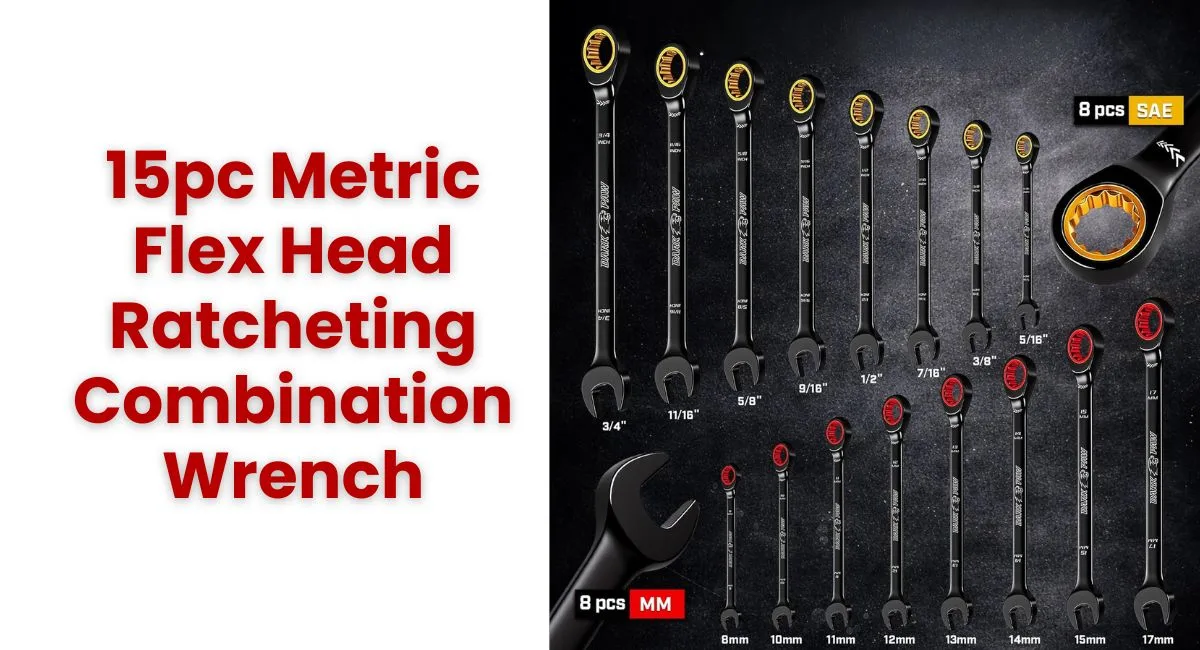
Every mechanic, whether a professional technician or a dedicated DIY enthusiast, knows the frustration of working in tight spaces. You often find yourself struggling to turn a bolt because a standard wrench simply does not have the clearance to swing back and forth. This is where the innovation of a high-quality ratcheting combination wrench changes the game entirely. Ironcube Works has developed a solution that addresses these challenges head-on with their 15-piece metric flex head set, designed to maximize efficiency and minimize hassle in the workshop.
For those looking to upgrade their tool chest, visiting Ironcube Works provides a glimpse into a world of precision-engineered hand tools. A ratcheting combination wrench is not just another tool; it is a vital asset that speeds up workflow significantly. Unlike traditional open-end wrenches that require constant repositioning, a ratcheting tool maintains contact with the fastener, allowing for continuous motion. This specific 15-piece set offers the versatility needed for automotive repair, industrial maintenance, and complex home projects.
The Mechanics of the Ratcheting Combination Wrench
To appreciate this tool, we must first look at its construction. A ratcheting combination wrench combines the best of two worlds. On one end, you have a fixed open head for high-torque breaking. On the other, you have a ratcheting box end. The internal gear mechanism is the heart of the tool.
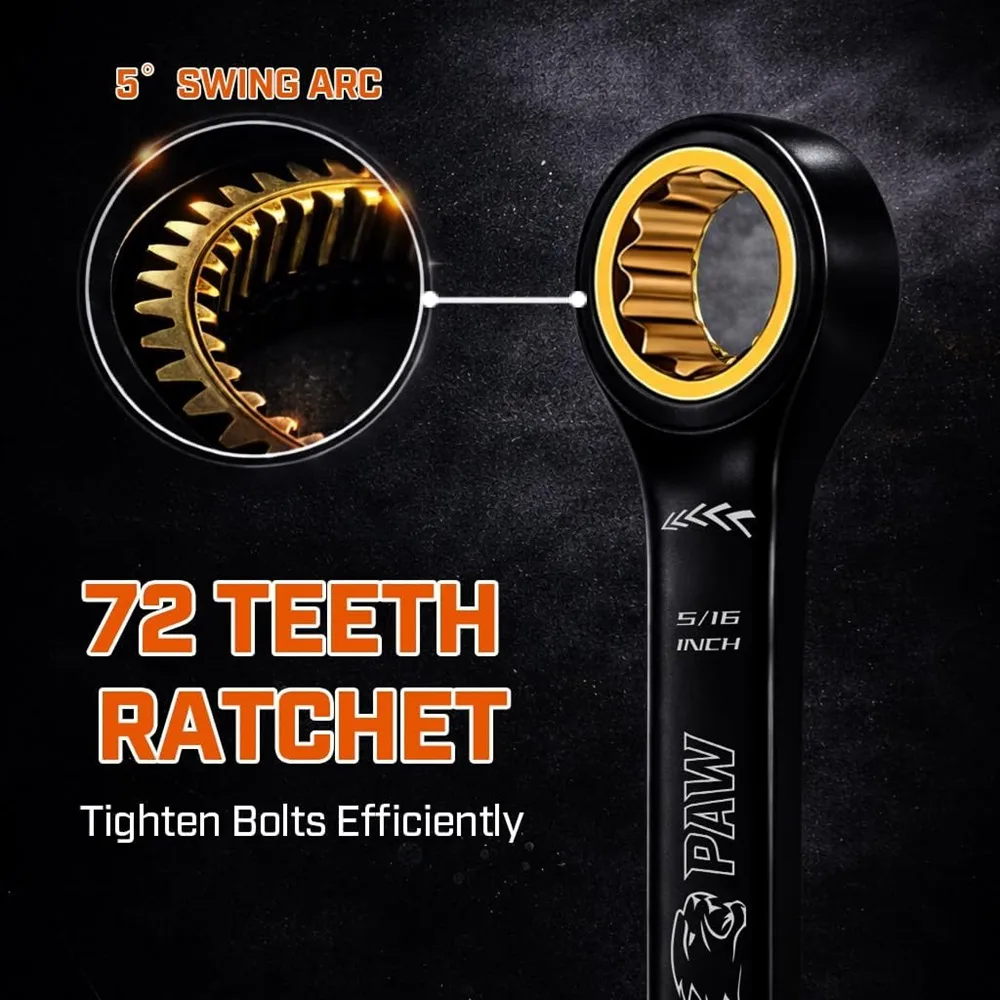
The history of the wrench dates back centuries, but the ratcheting evolution changed everything. Inside the box end, a gear with 72 or 90 teeth allows for smooth movement. How does a ratchet wrench work? It uses a pawl system that engages the teeth in one direction while sliding over them in the other. This allows you to tighten or loosen a bolt without ever lifting the tool off the fastener.
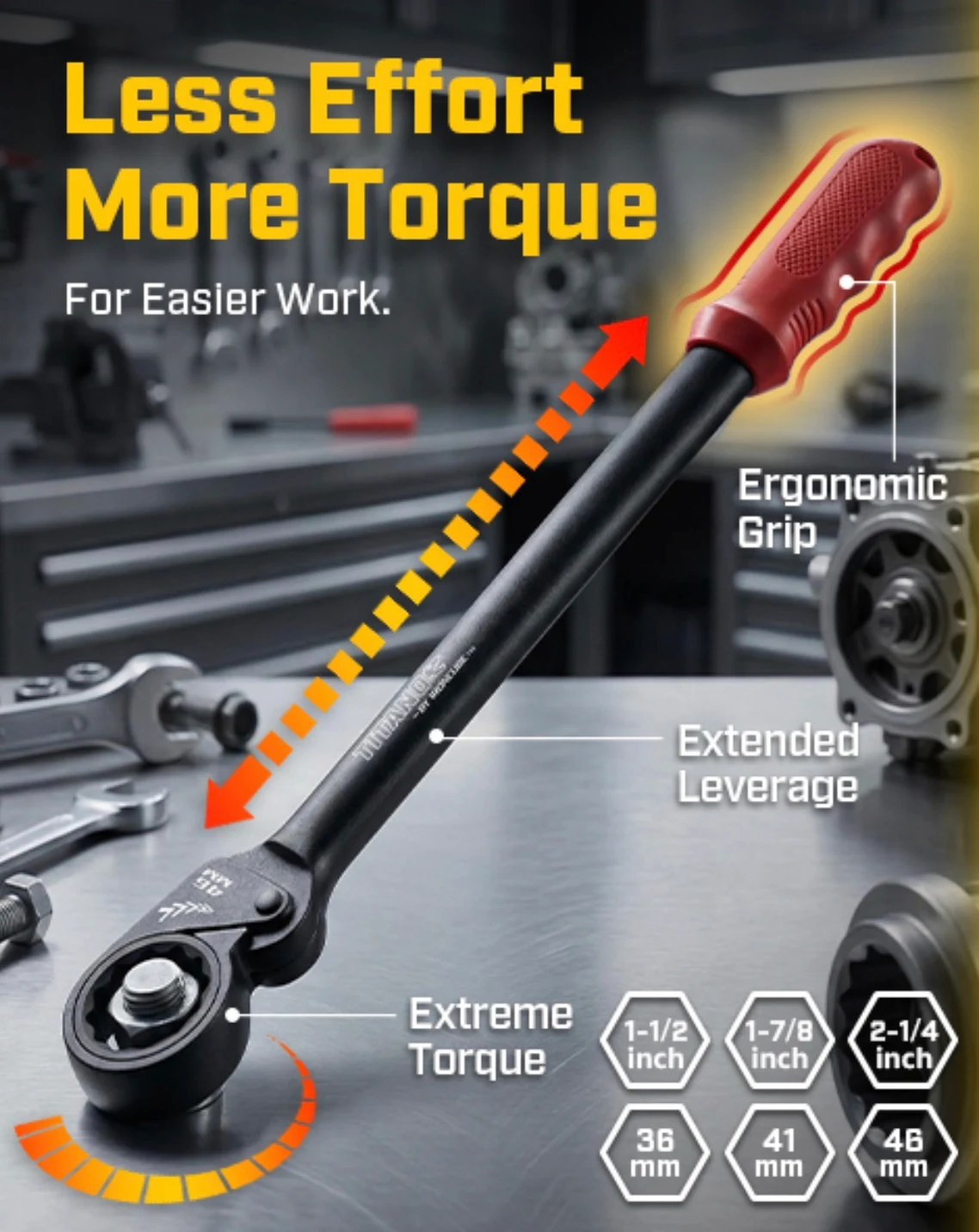
For those working on heavy-duty machinery, the strength of this gear is paramount. Ironcube uses Chrome Vanadium steel (Cr-V), which is known for its durability and resistance to corrosion. This material ensures that your ratcheting combination wrench won’t snap under the pressure of a stubborn, rusted bolt. If you are dealing with massive equipment, you might even look into large heavy-duty ratcheting wrenches to handle the increased load.
What Makes the 15-Piece Metric Set the Sweet Spot?
Wrench sets come in all sorts of configurations — 5-piece starter kits, 12-piece standard sets, and bloated 24-piece collections that sometimes pad the count with odd sizes nobody reaches for. The 15-piece metric set occupies a different position. Typically spanning 8mm through 22mm with no gaps, it covers the complete range of fastener sizes you encounter in everyday mechanical work. That means you get the small 8mm and 9mm wrenches needed for interior trim screws and small clamps, the workhorse 10mm through 17mm range that dominates engine and suspension work, and the larger 18mm through 22mm sizes required for structural bolts, axle nuts, and heavy fittings.
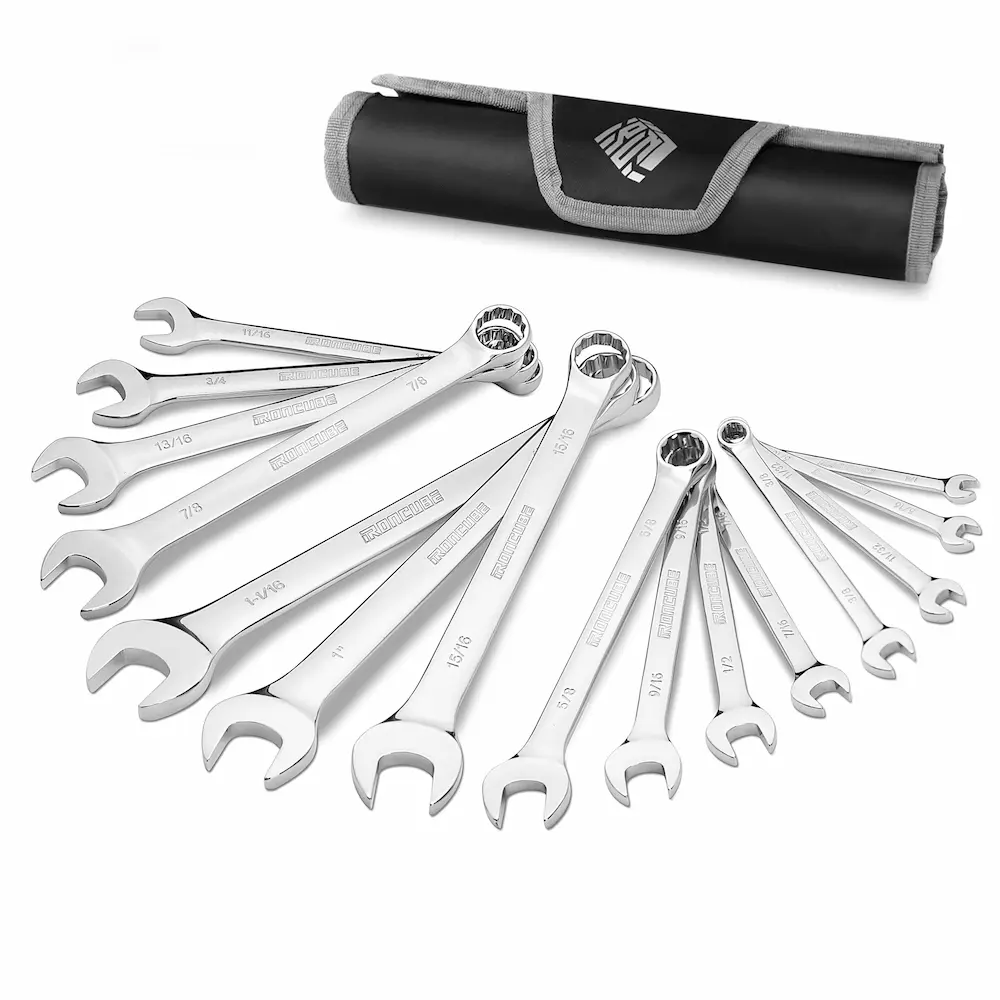
Fewer pieces than fifteen and you start missing sizes you will inevitably need, forcing you to buy individual replacements. More pieces than fifteen in a metric-only set, and you are likely paying for redundant half-millimeter increments that rarely appear on production vehicles. A well-curated 15-piece metric set is the kind of ratcheting combination wrench purchase that eliminates second-guessing. IRONCUBE’s 15-piece metric combination wrench set exemplifies this philosophy, covering 8mm to 22mm with a 12-point box end design that fits both hex and square fasteners.
The Power of the 180-Degree Flex Head
What truly sets the 15pc metric set apart is the flexible head. Static wrenches are limited by their straight profile. However, a flex-head ratcheting combination wrench can pivot up to 180 degrees. This movement allows you to reach over obstacles or around corners.
The benefit of a flexible head ratchet becomes obvious the moment you work on a modern engine bay. Engineers often place sensors and bolts in locations that are physically impossible to reach with a straight bar. By tilting the head of the wrench, you create a custom offset. This ergonomic advantage reduces hand fatigue and prevents the dreaded “knuckle-busting” that occurs when a tool slips in a cramped space.
Many professionals prefer flex head ratcheting sets for working in tight spaces because they act like a hybrid between a socket and a wrench. You get the slim profile of a wrench with the speed of a ratchet. This combination significantly decreases the time spent on any given task.
15-Piece Metric Ratcheting Combination Wrench: Key Specs Compared
Choosing the right set means understanding how specifications translate into real-world performance. The following comparison highlights what to look for when evaluating any 15-piece metric ratcheting combination wrench set.
| Specification | Budget Tier ($15–$30) | Mid-Range ($30–$60) | Premium ($150+) |
| Material | Carbon steel / basic alloy | Chrome vanadium steel | Chrome vanadium / S2 alloy |
| Tooth Count | 36–45 teeth | 72 teeth | 90–144 teeth |
| Swing Arc | 8–10° | 5° | 2.5–4° |
| Flex Head Range | ~120° or none | ~180° | 180°+ with locking |
| Finish | Basic paint / raw | Chrome plated satin | Chrome plated mirror |
| Size Range | 8–19mm (gaps) | 8–22mm (complete) | 8–22mm + extras |
| Storage | Loose / basic roll | Canvas pouch / case | Foam tray / organizer |
| Warranty | None / 90 days | 12–24 months | Lifetime |
| Best For | Emergency / backup | Daily professional use | Heavy shop investment |
The mid-range tier delivers the strongest value for most buyers. You get chrome vanadium construction, a 72-tooth mechanism proven over decades of professional use, a complete size range with no frustrating gaps, and functional storage that protects the tools. IRONCUBE positions their ratcheting combination wrench sets squarely in this tier, offering professional-grade materials and manufacturing at an accessible price. Their Amazon storefront makes purchasing straightforward for those who prefer fast shipping.
Where a 15-Piece Metric Ratcheting Combination Wrench Set Proves Its Worth
Automotive Repair and Maintenance
Modern engine compartments are tighter than they have ever been. Turbochargers, emissions equipment, and hybrid battery packs consume space that used to leave generous wrench clearance. A metric flex head ratcheting combination wrench earns its keep most dramatically in automotive work — loosening alternator bolts hidden behind accessory brackets, removing exhaust manifold studs at awkward angles, and reaching brake caliper bolts tucked behind rotor assemblies. The 15-piece metric range covering 8mm through 22mm handles virtually every fastener on European and Asian vehicles, which make up the vast majority of the global fleet.
Motorcycle mechanics find these sets especially valuable because of the compact geometry on bikes. Fasteners sit recessed deep within the frame, surrounded by cooling fins and bodywork. IRONCUBE designs their wrench sets with motorcycle and racing team maintenance as a core use case, reflected in the slim box-end profile and the size range that matches the most common metric fasteners on two-wheelers.
HVAC, Plumbing, and Industrial Work
HVAC technicians routinely work inside air handlers, behind ductwork, and above ceiling tiles. A flex head ratcheting combination wrench that locks at a chosen angle lets you set your approach once and maintain it across multiple fasteners in a row — a significant time-saver when you are on a ladder or reaching overhead. Plumbing work presents identical challenges with fittings buried behind walls and under sinks with minimal clearance.
Industrial maintenance teams benefit from the larger end of the 15-piece range. Factory equipment, conveyors, and production-line machinery often require 19mm through 22mm wrenches for structural fasteners. For jobs that demand even larger sizes, IRONCUBE offers extra-large heavy-duty ratcheting wrenches and a dedicated large heavy-duty ratcheting wrench line that extends coverage beyond what standard sets provide.
The Mechanics: How Does a Ratchet Wrench Work?
The internal mechanism of a ratcheting tool is a marvel of miniaturized engineering. At its core, the box end contains a gear and a pawl. The pawl acts as a stop, engaging with the teeth of the gear to allow motion in only one direction while locking in the other. This creates the characteristic “clicking” sound associated with ratchet tools. When you want to reverse direction, you simply flip the lever on the wrench head or turn the wrench over.
This mechanism is designed for precision. The tooth count, often referred to as the “swing arc,” determines how little movement is required to turn the fastener. High-quality wrenches like those from Ironcube feature a fine-tooth design, often requiring a swing arc of just 5 to 10 degrees. This is a stark contrast to a standard wrench which might need 30 degrees or more of clearance to reset. For a deeper technical explanation, Ironcube provides an excellent resource titled how does a ratchet wrench work, which breaks down the internal components in detail.
Material Quality: Chrome Vanadium Steel
Durability is the hallmark of any good tool. The Ironcube ratcheting combination wrench is constructed from high-grade Chrome Vanadium steel. This material is an alloy that combines the toughness of steel with the corrosion resistance of chromium and the shock resistance of vanadium. According to materials science data, Chromium increases hardness and wear resistance, while Vanadium improves toughness and shock resistance, making it an ideal choice for hand tools that undergo high torque.
The finish is equally important. These wrenches feature a mirror-polished chrome plating. This is not merely aesthetic; the plating serves as a barrier against rust and corrosion. Tools are often exposed to oil, brake fluid, and moisture in a workshop environment. A lesser quality steel would rust and seize, but Chrome Vanadium withstands these harsh conditions. You can explore similar high-quality materials in their Chrome Vanadium flex head wrench set. Investing in high-quality materials ensures that the tool set lasts a lifetime, effectively paying for itself many times over.
Applications for the Flex Head Ratcheting Wrench
The versatility of a ratcheting combination wrench makes it indispensable across various fields. In the automotive sector, mechanics rely on these tools for everything from changing oil to replacing alternators. The flex head is particularly useful for reaching bolts on starter motors, which are often tucked away in awkward corners of the engine bay.
Plumbers also benefit greatly from this tool. When installing faucets or working on garbage disposals under a sink, space is extremely limited. The flex head allows the plumber to navigate around supply lines and drainage pipes. Similarly, in industrial maintenance, where machinery is packed tightly together, the ability to pivot the wrench head is not just a convenience—it is a necessity. Ironcube also offers specialized tools for heavier tasks, such as their large heavy-duty ratcheting wrench, designed for high-torque industrial bolts.
Working in Tight Spaces
The primary selling point of this tool is its ability to function where others fail. Standard wrenches require a clear path to swing. In tight spaces, a user might only be able to move a wrench a few millimeters before hitting an obstruction. This “click, turn, click” process is tedious and physically draining.
A ratcheting combination wrench eliminates this struggle. Because the tool ratchets, it does not need to be removed and repositioned. The flex head adds the ability to approach the bolt from an angle. Ironcube discusses this specific advantage in their article about flex head ratcheting sets working in tight spaces. This capability dramatically reduces the time spent on each fastener, turning a 20-minute job into a 5-minute job.
Why IRONCUBE Delivers Professional Value at Mid-Range Pricing
IRONCUBE WORKS has manufactured professional-grade hand tools from their Ningbo facility since 2008. What separates them from generic sellers is vertical integration — they control the entire process from raw material sourcing through forging, CNC machining, heat treatment, and final assembly. That level of control eliminates the quality inconsistencies that plague brands sourcing from different factories each quarter.
Their ratcheting combination wrench sets comply with ASME standards for torque requirements, which means each wrench has been tested to handle specified load levels without failure. The 72-tooth mechanism operates with a precise 5-degree arc, and the chrome vanadium steel construction handles daily shop abuse without deformation. You can see IRONCUBE’s tools demonstrated in real working conditions on their YouTube channel, where practical application videos show how the tools perform under actual load.
For buyers looking at the best large ratchet wrench options for heavy-duty applications, IRONCUBE’s lineup extends beyond standard metric sets into specialty sizes that many competitors ignore entirely.
Final Summary
The 15-piece metric flex head ratcheting combination wrench set occupies the sweet spot in any mechanic’s toolkit. Fifteen sizes covering 8mm through 22mm eliminate the gap anxiety that comes with smaller sets, while the flex head and 72-tooth ratcheting mechanism deliver the access and efficiency that modern cramped engine bays demand. Chrome vanadium steel construction ensures durability measured in years rather than months, and proper storage keeps every size organized and ready to grab.
For buyers who want professional-grade engineering without the tool-truck markup, IRONCUBE’s wrench catalog offers a compelling selection of ratcheting combination wrench sets built with vertically integrated quality control, ASME-compliant torque ratings, and a 24-month warranty. Available through their website and on Amazon, these are tools designed to earn a permanent spot in your working toolbox.
FAQs
Q. What is the main advantage of a ratcheting combination wrench?
A. The primary advantage of a ratcheting combination wrench is speed and efficiency. It allows the user to turn a fastener without removing the wrench from the bolt head, which saves significant time in tight spaces. The ratchet mechanism enables continuous motion, whereas a standard wrench requires constant readjustment.
Q. Can a flex head wrench apply high torque?
A. Yes, a flex head ratcheting combination wrench can apply substantial torque, but it has limits compared to a fixed-head wrench. The pivot point introduces a slight flexibility that is not present in rigid tools. For breaking loose extremely tight bolts, it is often best to use the open end or a breaker bar, then switch to the ratcheting function for speed.
Q. Are metric wrenches necessary for American cars?
A. Modern American cars are built using metric fasteners almost exclusively. Even older models may have a mix of SAE and metric bolts. Owning a ratcheting combination wrench set in metric sizes is essential for working on virtually any vehicle manufactured in the last 30 years, regardless of its origin.
Q. How do I maintain the ratchet mechanism?
A. To keep your ratcheting combination wrench working smoothly, clean it regularly to remove dirt and metal shavings. You can flush the mechanism with a solvent and then apply a light coat of oil. This maintenance ensures the pawls and gears continue to engage correctly.
Q. Does the Ironcube set come with a warranty?
A. Ironcube Works stands behind the quality of its tools. It is always recommended to check the specific warranty information on the product page or contact the customer service for detailed warranty policies. Most professional tool brands offer a guarantee against defects in material and workmanship.