36mm Torque Friction Wrench: Real-World Uses in Heavy Machinery
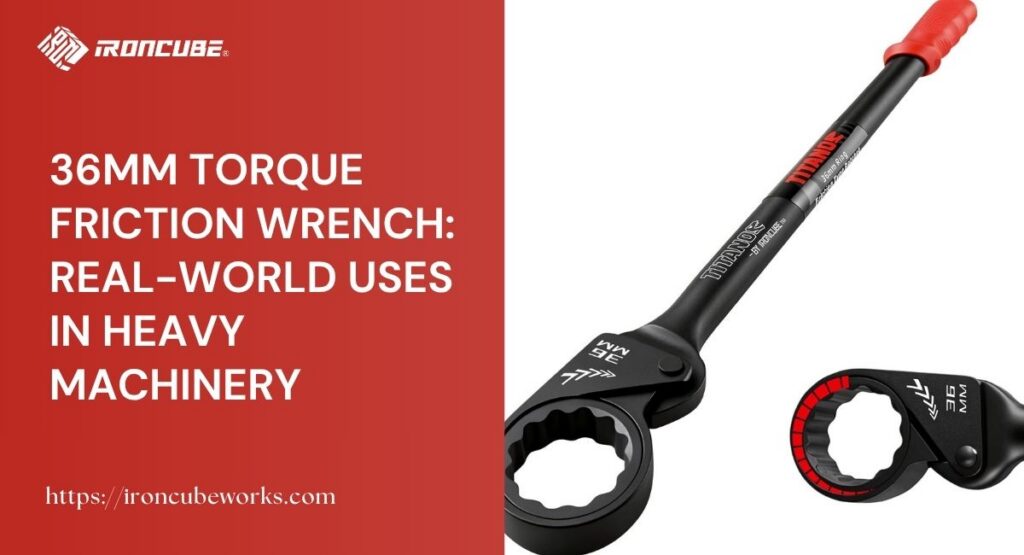
A 36 torque friction wrench looks simple at first. It is a long-handled wrench built for large fasteners. But in real field work, that simple tool can decide whether a mechanic finishes a job cleanly or wastes hours fighting a seized nut. In heavy machinery, fasteners are not small details. They hold boom joints, rail […]
46mm Friction Wrench Set: SAE Conversion, Torque Specs, and Applications
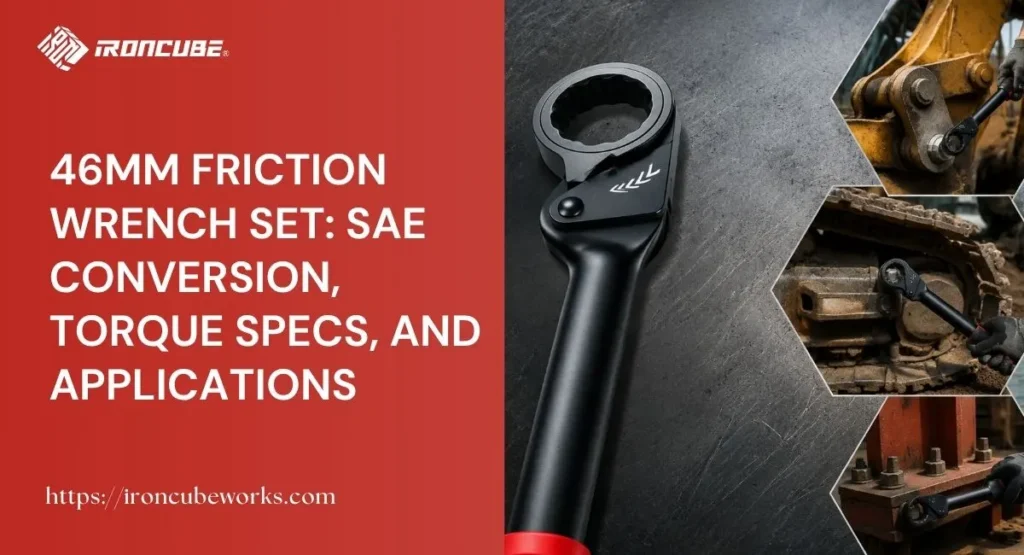
When working with heavy machinery, oversized fasteners are not unusual. Construction equipment, mining machines, cranes, marine systems, and industrial assemblies often require tools much larger than standard automotive sizes. One tool that frequently appears in these environments is the 46mm friction wrench. A 46mm friction wrench is designed for large nuts and bolts where high […]
Friction Wrench vs. Torque Wrench: Key Differences Explained
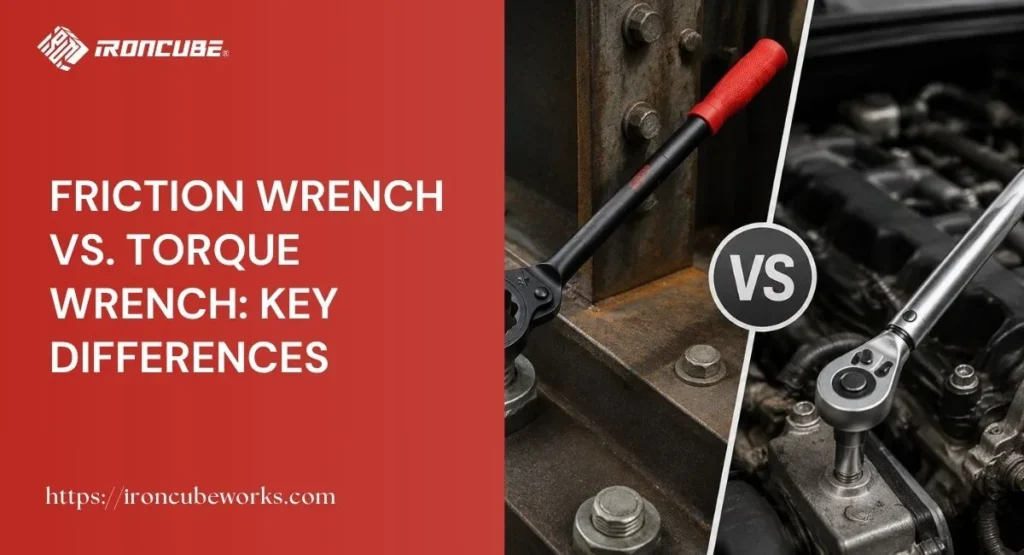
Walk into any professional workshop and you’ll spot two very different tools sitting side by side: a torque wrench with its digital display or clicker mechanism, and a friction wrench — that heavy, slim-profile ratcheting spanner built for nuts the size of a soda can. Both tighten fasteners. That’s about where the similarities end. The […]
Friction Wrench Set Buying Guide: Sizes, Torque Ratings, and Best Picks for 2026
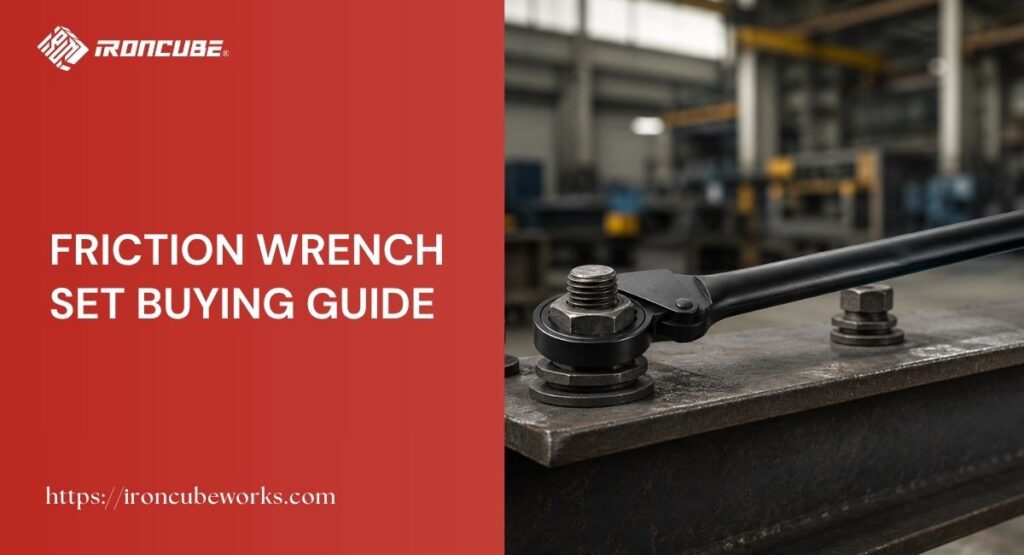
A friction wrench set is not the first tool most homeowners think about. But for industrial maintenance, steel assembly, heavy equipment repair, scaffolding, and large fastener work, it can save hours of frustration. Standard wrenches work well on common bolts. They struggle when the fastener is oversized, rusted, recessed, oily, or placed where a full […]
Friction Wrench Set for Structural Steel and Bridge Construction: A Field Guide
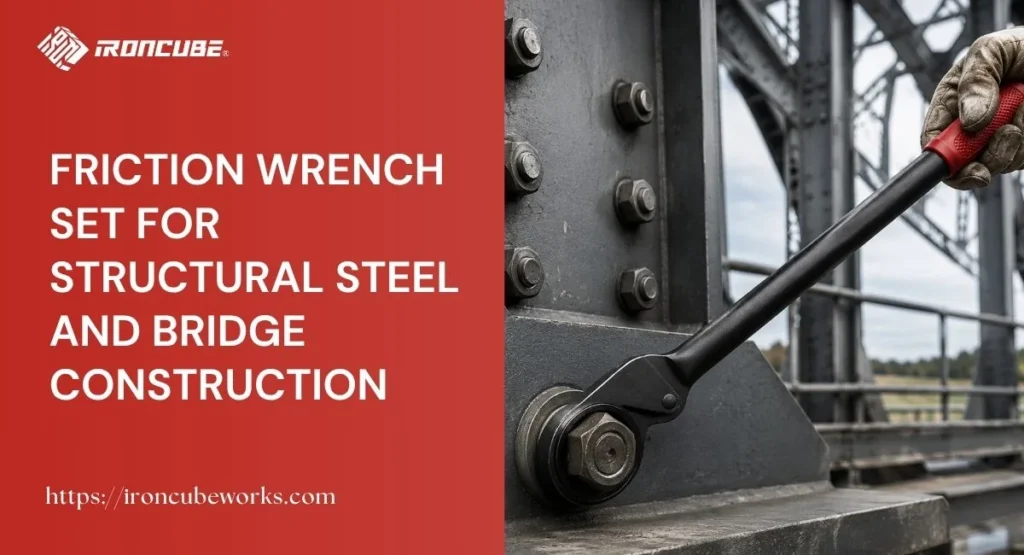
There’s a moment on every steel erection job that separates the pros from everyone else. It’s the moment a 1-1/8″ A325 bolt won’t budge, the impact wrench is out of range, and the guy on the beam has to reach for something that will actually deliver leverage. That something, more often than not, is a […]