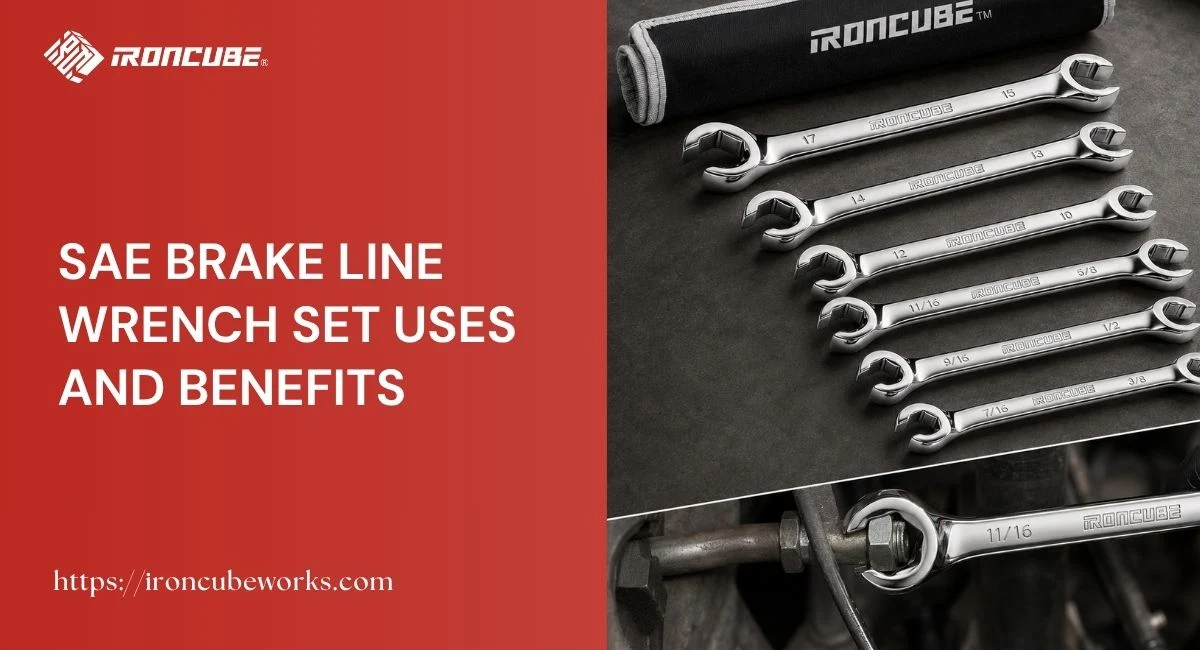
Anyone who has fought a stubborn brake fitting knows the frustration. You slip a normal wrench onto the nut. You pull hard. Then the tool slips and rounds off the corners. Suddenly a simple job turns into a nightmare. This is exactly the problem an SAE brake line wrench set was built to solve.
Brake line fittings are soft and delicate. They round off easily under the wrong tool. So a special wrench design protects them from damage. An SAE brake line wrench set grips the fitting on nearly every side. That extra contact keeps the nut safe while you turn it.
In this guide, we will cover what these wrenches do and why they matter. We will look at sizing, real uses, and the benefits that set them apart. You will also learn how to pick a quality set that lasts. If you work on vehicles or buy tools for a shop, this is worth a close read. Let us start with a solid range of professional wrenches and see how this style fits in.
What Is an SAE Brake Line Wrench Set?
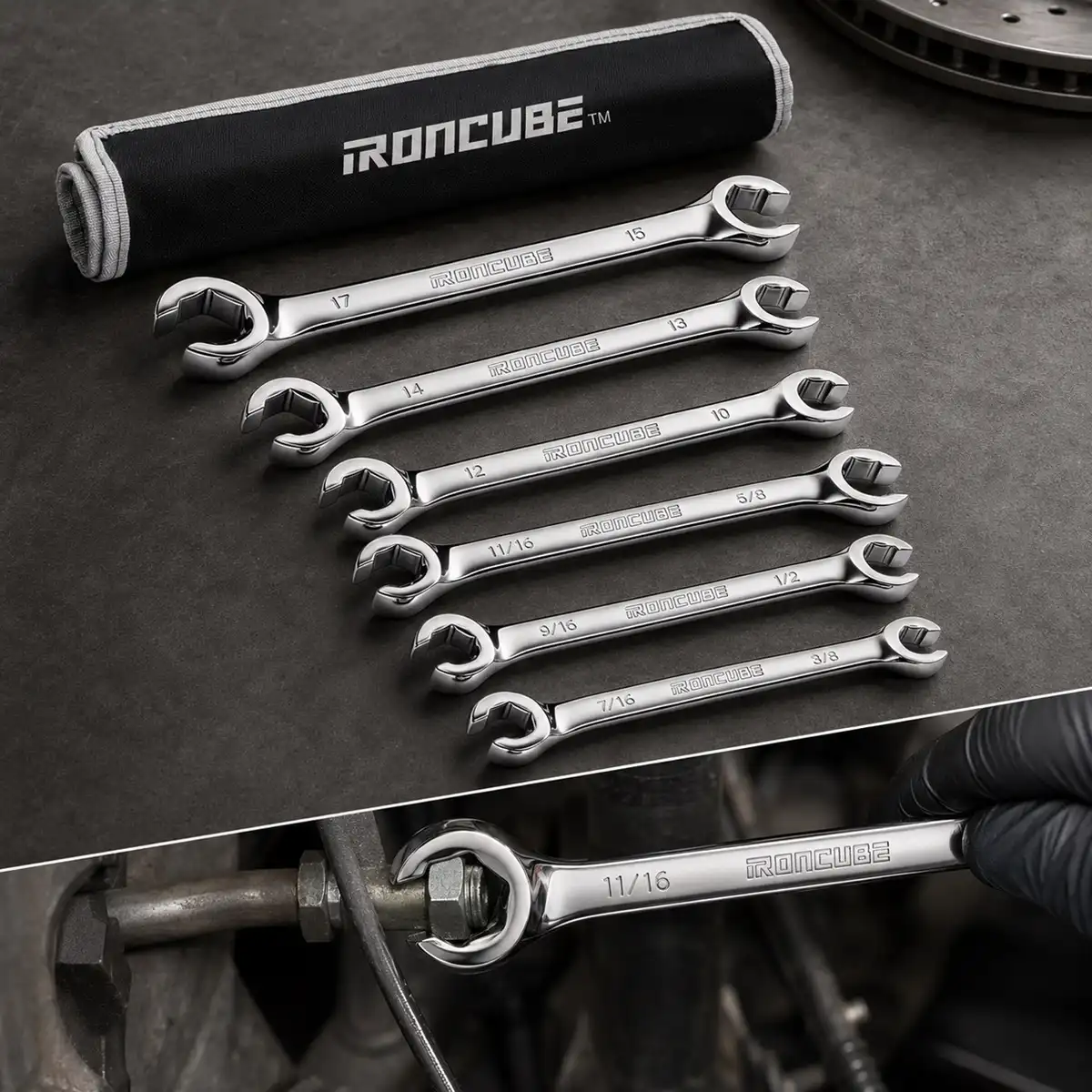
Let us clear up the name first. A brake line wrench is also called a flare nut wrench. Some people call it a tube nut wrench. All three names point to the same clever tool. It looks like a cross between an open-end and a box-end wrench.
Here is the key detail. A regular open-end wrench grips only two flat sides of a nut. A box-end wrench wraps all six sides but cannot slide onto a pipe. An SAE brake line wrench set blends both ideas. Each wrench nearly surrounds the fitting, yet has a small slot to slip over the tube.
The “SAE” part refers to the sizing system. SAE stands for the standards body once known as the Society of Automotive Engineers. So an SAE brake line wrench set uses fractional-inch sizes, like 3/8 or 1/2 inch. These match the fittings found on most American vehicles. The wrench itself is an old and trusted design, and you can read the technical background of the wrench on Wikipedia for more history.
Why the “Flare Nut” Design Matters
The shape is the whole point. A brake fitting sits on a metal tube. So a full box-end wrench cannot drop over it from the top. The tube is in the way. That leaves you stuck with a weak open-end grip.
The flare nut design fixes this. It has an almost-closed head with one narrow gap. You slide that gap over the tube, then rotate the wrench onto the nut. Now the tool grips five of the six sides. So you get box-end strength with open-end access. That balance is why an SAE brake line wrench set is the pro choice for brake work.
Why Brake Fittings Need a Special Wrench
You might wonder why brake nuts are so fragile. The answer lies in the materials. Brake and fuel line fittings are often made of soft brass or mild steel. These metals resist rust and seal well. But they also deform easily under stress.
Now add another problem. Brake fittings sit outside, under the car, for years. So they collect road salt, grime, and rust. Over time, they seize tight. When you finally try to turn one, it fights back hard. A weak grip on a stiff, soft nut is a recipe for rounding.
This is where an SAE brake line wrench set earns its keep. By gripping nearly the whole nut, it spreads the force evenly. So the corners stay sharp instead of rounding off. That single feature can save you hours of drilling out a ruined fitting. Because the tool protects the nut, the whole job goes faster and cleaner.
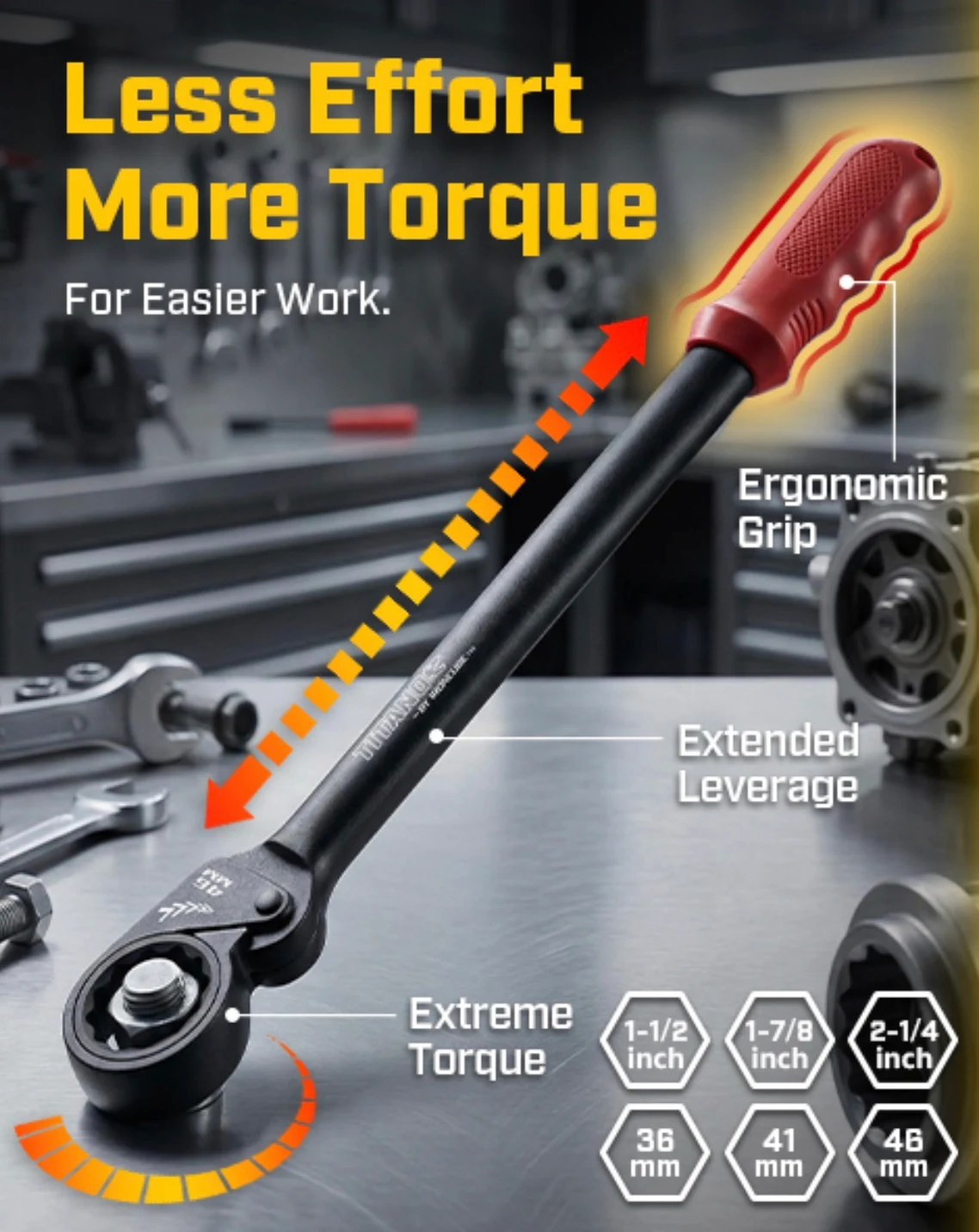
Some heavy jobs need even more grip and power. For those, tools like the torque friction wrench that cuts effort by 30 percent show how smart grip design reduces strain. The same principle drives the brake line wrench, just on a smaller scale.
The Key Benefits of an SAE Brake Line Wrench Set
Let us break down the real advantages. There are three that stand out most. Each one solves a common pain point for mechanics and DIY owners alike.
The first benefit is grip strength. As we saw, the wrench holds five sides of the nut. So it grabs far more than a two-point open-end tool. This alone prevents most rounding disasters.
The second benefit is fitting safety. Because the grip is so secure, the soft nut survives. You avoid stripped corners and cracked fittings. So you protect both the part and your budget. A ruined brake line can turn a cheap repair into a costly one.
The third benefit is access. The slotted head slides over tubes that block a box-end wrench. So you reach fittings in tight, awkward spots. An SAE brake line wrench set gives you that reach without sacrificing grip. That mix is rare and valuable.
There is a bonus too. These wrenches make you work faster and safer. You spend less time fighting the tool. So you finish the job with less stress. For a broader look at how grip design compares across tools, this guide on the friction wrench versus torque wrench is a helpful companion read.
SAE vs Metric: Getting the Sizing Right
Sizing trips up many buyers. So let us make it simple. SAE tools use inch-based sizes. Metric tools use millimeter sizes. Both systems appear on vehicles, and picking the wrong one causes slips.
American cars and trucks often use SAE fittings. So an SAE brake line wrench set fits most domestic vehicles well. Imported cars, however, tend to use metric fittings. So a busy shop usually needs both systems on hand.
The tricky part is that the sizes are close but not equal. A 1/2-inch SAE nut is not the same as a 13mm metric nut. Force the wrong one on, and you risk rounding the fitting. So always match the size exactly. To avoid mix-ups, keep a wrench size chart for SAE to metric conversion nearby. That one habit prevents costly mistakes.
Common SAE Brake Line Wrench Sizes
Most brake work involves a handful of sizes. So a good set covers the common range. The table below shows the typical SAE sizes and where they show up.
| SAE Size | Common Use | Notes |
|---|---|---|
| 3/8 inch | Small brake and fuel lines | Frequent on older cars |
| 7/16 inch | Standard brake line fittings | Very common size |
| 1/2 inch | Brake and transmission lines | A daily workhorse |
| 9/16 inch | Larger fuel and brake unions | Found on trucks |
| 5/8 inch | Heavy hydraulic lines | For bigger jobs |
As the table shows, a few sizes cover most work. A quality SAE brake line wrench set usually includes this full spread. For a deeper breakdown, the guide on SAE brake line wrench set sizes and compatibility walks through each fit in detail. So you can match the tool to your vehicle with confidence.
SAE Brake Line Wrench Set vs Regular Wrenches
How does this tool stack up against the alternatives? A quick comparison makes the value clear. Each wrench type has a job it does best. But for brake fittings, one option wins.
| Wrench Type | Sides Gripped | Fits Over Tube? | Best For |
|---|---|---|---|
| Open-end | 2 | Yes | Quick, low-torque work |
| Box-end | 6 | No | Max grip on open bolts |
| Flare nut (SAE) | 5 | Yes | Brake and fuel fittings |
| Adjustable | 2 | Yes | Odd or rare sizes |
The pattern is obvious. Only the flare nut design grips well and clears the tube. So for brake fittings, an SAE brake line wrench set beats every other option. An open-end tool is too weak, and a box-end tool simply will not fit. That is why pros keep a dedicated set for line work.
Of course, your toolbox needs more than one wrench type. A balanced kit covers many jobs. For heavier tasks, the extra-large heavy-duty ratcheting wrenches handle big bolts with ease. So think of the brake line set as one specialist among many.
Real-World Uses Beyond Brake Lines
Do not let the name fool you. These wrenches do more than brakes. The same soft-fitting problem appears all over a vehicle. So the tool shines in many places.
Fuel lines are a prime example. Their fittings are just as soft as brake nuts. So an SAE brake line wrench set protects them too. The same goes for transmission cooler lines and power steering lines.
Air conditioning systems also benefit. AC lines use flare fittings that round off with ease. So a flare nut wrench keeps them intact during a repair. Even hydraulic lines on heavy equipment fit this pattern. In short, any soft tube fitting is a candidate for this tool.
For a real product example, the IRONCUBE brake line wrench on Amazon shows the design in action. The brand offers both SAE and metric versions, so you can match your fittings. And you can watch tools like it at work on the IRONCUBE tools YouTube channel.
How to Use an SAE Brake Line Wrench Set the Right Way
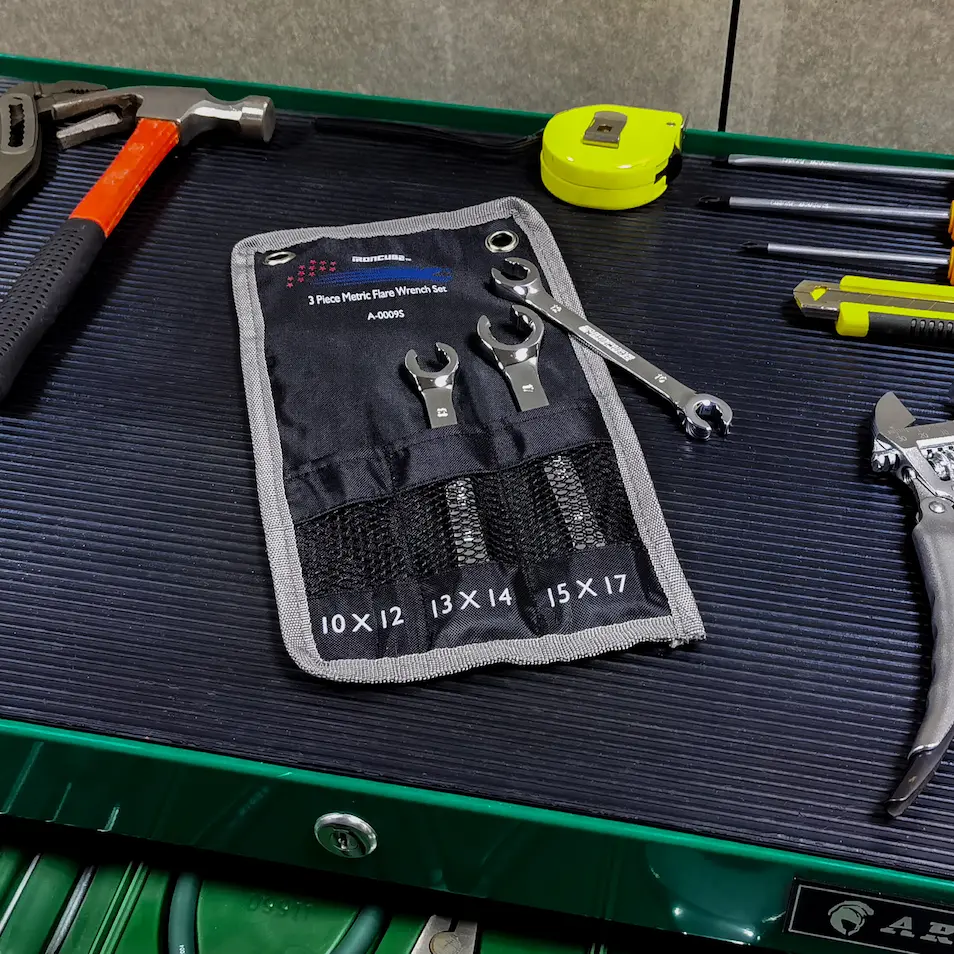
Owning the tool is only step one. Using it well makes all the difference. So here are the habits that protect your fittings.
First, clean the nut before you start. Brush off rust and grime so the wrench seats fully. A clean nut grips better and slips less. Second, slide the wrench slot over the tube gently. Then rotate it until it hugs the fitting.
Third, apply steady, even force. Do not jerk the handle. Sudden yanks can crack a seized fitting. So pull smoothly and let the grip do the work. If a nut refuses to move, a little penetrating oil helps loosen the rust.
Fourth, respect the tool’s limits. An SAE brake line wrench set is not a breaker bar. So never slip a pipe over it for more leverage. That trick overloads the tool and can crack the fitting. For very stubborn or oversized jobs, reach for a purpose-built heavy tool instead, like the 36mm torque friction wrench.
Choosing a Quality SAE Brake Line Wrench Set
Not every set is worth buying. Cheap tools flex and slip under load. So the wrong set can cause the very damage it should prevent. Quality really matters here.
Start with the steel. Look for hardened, drop-forged chrome vanadium. That material resists spreading when you pull hard. Next, check the jaw fit. Tight, precise jaws grip cleanly and protect soft nuts. When you browse a full wrench product range, these details separate good sets from poor ones.
Size range is the next factor. A good SAE brake line wrench set covers all the common fittings. So you are never stuck without the right size. For bulk buyers, the guide on finding quality wholesale jumbo wrench sets helps you judge a supplier. And planning your kit ahead pays off, so the 2026 friction wrench set buying guide is worth a bookmark.
A complete toolbox needs more than wrenches, of course. Screwdrivers handle the small fasteners a wrench cannot. So pair your set with quality screwdrivers and the best magnetic screwdriver sets. If you need a gift-ready option, the 53-piece tool set for men bundles many essentials in one box. And for questions on any of it, the IRONCUBE Works team is easy to reach.
Caring for Your SAE Brake Line Wrench Set
A good set can last decades with basic care. So a little maintenance goes a long way. The steps are simple and quick.
Wipe your wrenches clean after each job. Brake fluid and road grime can corrode steel over time. So a dry cloth and a light oil coat keep rust away. Then store the set in a dry pouch or case.
Check the jaws now and then. Look for spread, wear, or cracks in the metal. A worn wrench can slip and round a fitting. So retire any tool that no longer grips tight. Replacing one wrench is cheaper than fixing a ruined line.
Keep the set organized too. A rolling pouch, like the one with the 10-piece metric ratcheting wrench set, keeps sizes in order. So you grab the right tool fast. Treat your SAE brake line wrench set well, and it will protect your fittings for years. For big jobs, pair it with jumbo ratchet wrenches for heavy-duty work.
FAQs
1. What is an SAE brake line wrench set used for? It is built to turn soft tube fittings without rounding them. An SAE brake line wrench set grips five of the six sides of a nut. So it works on brake lines, fuel lines, and transmission lines with a secure hold. The tool also handles AC and hydraulic fittings. In short, it protects any soft flare nut on a vehicle.
2. Why can’t I use a regular wrench on brake lines? A standard open-end wrench grips only two sides of the nut. So it slips easily on tight, soft fittings and rounds the corners. An SAE brake line wrench set wraps nearly the whole nut instead. That extra contact spreads the force and keeps the fitting safe. So the special tool prevents the damage a regular wrench often causes.
3. What sizes come in an SAE brake line wrench set? Most sets cover the common fractional-inch range for brake work. A typical SAE brake line wrench set includes sizes like 3/8, 7/16, 1/2, 9/16, and 5/8 inch. These fit the fittings found on most American vehicles. Always match the exact size to avoid slipping. A size chart helps you confirm the right fit fast.
4. Should I choose SAE or metric for brake work? It depends on the vehicle you service. Domestic American cars usually use SAE fittings, so an SAE brake line wrench set fits them well. Imported cars often use metric sizes instead. So a busy shop is smart to keep both systems ready. Matching the correct system prevents rounded, ruined fittings.
5. How do I stop a brake line fitting from rounding off? Start with the right tool and a clean nut. An SAE brake line wrench set grips more of the fitting, which lowers the risk of rounding. Then apply steady force rather than sudden yanks. A little penetrating oil also helps free a seized nut. Together, these steps keep your fittings sharp and reusable.
Final Summary and
Brake fittings are soft, exposed, and easy to ruin. So they demand a tool built for the task. An SAE brake line wrench set answers that need perfectly. It grips nearly the whole nut while still sliding over the tube.
The benefits are clear and practical. You get strong grip, protected fittings, and easy access in one design. So you avoid the costly mess of a rounded-off nut. On brake, fuel, and hydraulic lines alike, this tool simply works better than the alternatives.
The bottom line is simple. Buy quality steel, match your sizes, and use smooth, steady force. Do that, and an SAE brake line wrench set will handle years of line work with ease. Ready to equip your shop? The IRONCUBE Works team is happy to help, so reach out any time.